Search Results for: heat resistant cement for high heat

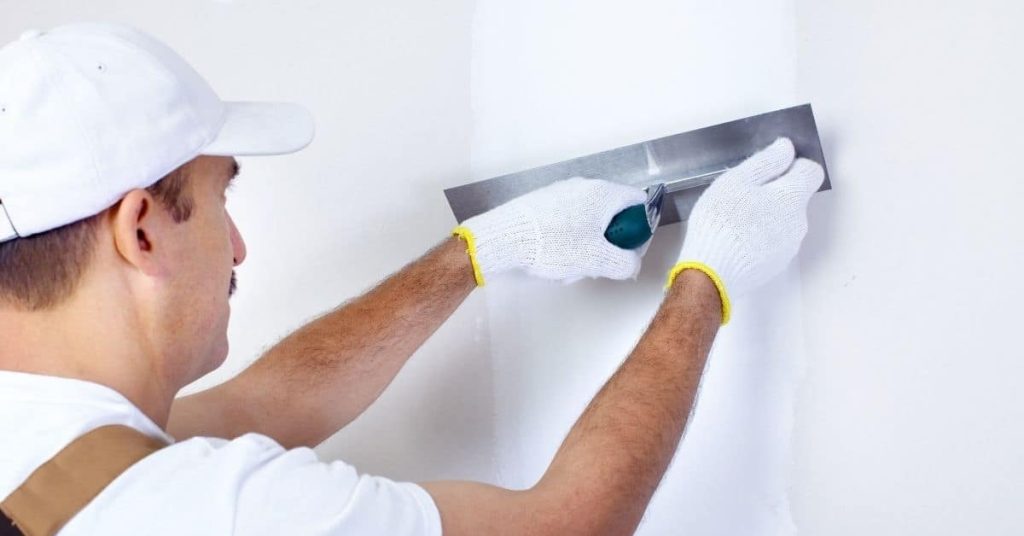
Worker smoothing white plaster wall with metal trowel

Plaster Returns at Deep Windows: Reinforcement That Doesn’t Bulge the Edge

Introduction Reinforcement for plaster returns at deep windows means adding solid edge support so the plaster won’t bulge. In practice you build up a stable, tight edge before the final coat. This keeps the plaster flush and reduces cracking. Use appropriate edging, furring, or metal lath as directed on the product label and by the […]

Plaster Returns at Deep Windows: Reinforcement That Doesn’t Bulge the Edge Read More »
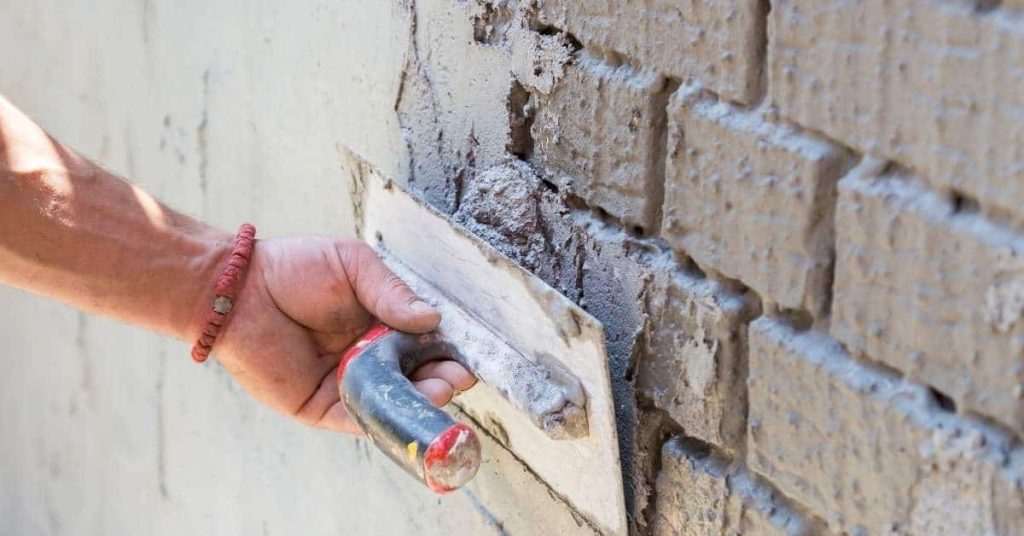
Hand applying cement plaster with trowel on brick wall

Keene’s Cement Plaster: When Hardness Helps and How to Avoid Crazing

Introduction Keene’s cement plaster is a lime-based plaster mix that hardens to a solid wall finish. Hardness in this plaster helps durability, but it can cause cracks if it’s applied or cured improperly. To avoid crazing, follow proper mixing, priming, and curing practices and check product instructions for recommended working times and environmental limits. If

Keene’s Cement Plaster: When Hardness Helps and How to Avoid Crazing Read More »

Two melting ice cubes on white surface with water pool

Slip-Resistant Sealed Concrete: Additives, Etch Profiles, and Easy Traction Tests

Introduction Slip-Resistant Sealed Concrete means using a sealant combined with additives and surface treatment to reduce slipping. Key takeaways Choose slip-resistant additives compatible with your sealer and traffic level. Etch profiles improve adhesion; follow manufacturer instructions and test patch first. Conduct simple traction checks after cure using deliberate dragging and toe-walking tests. Protect cured surfaces

Slip-Resistant Sealed Concrete: Additives, Etch Profiles, and Easy Traction Tests Read More »

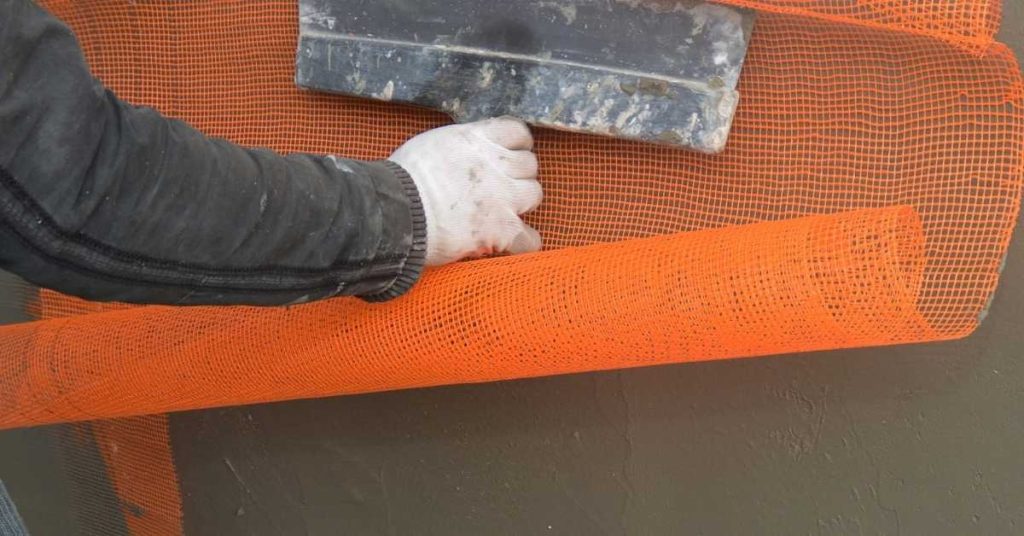
Person applying orange fiberglass mesh onto wet stucco surface

Cracks Over Framing in Stucco: Reinforcement Mesh Patterns That Actually Hold

Introduction Reinforcement mesh helps prevent cracks where stucco meets framing. Different mesh patterns distribute movement across a crack and across corners, so choose one that fits your wall and framing. Always check manufacturer and local guidance for mesh type, installation height, and any soak-in or primer requirements. For a DIY install, plan your mesh pattern

Cracks Over Framing in Stucco: Reinforcement Mesh Patterns That Actually Hold Read More »

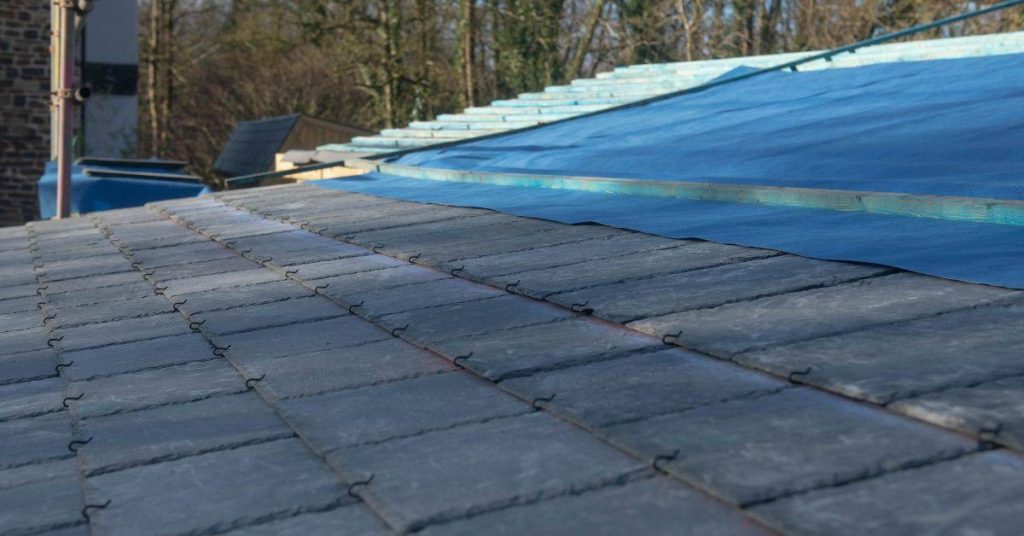
Slate roof tiles partially installed with underlayment visible

Stucco Meets Roof: Step Flashing, Sealant Placement, and Drainage Gaps

Introduction Step flashing, sealant placement, and drainage gaps are the practical techniques used at the stucco-roof intersection to prevent leaks. In plain talk, they’re the fail-safes you create where the wall meets the roof to keep water out. Follow local practice and the manufacturer instructions for flashing, sealant, and any required gaps, and check product

Stucco Meets Roof: Step Flashing, Sealant Placement, and Drainage Gaps Read More »

Person sits on a wooden bench beside a circular fire pit in snow.

Concrete for Outdoor Fire Pits: Mix Tweaks, Heat Limits, and Safer Sealers

Introduction Concrete for outdoor fire pits is the sturdy, heat‑tolerant material you pour to form the pit structure and seating. This article gives practical tweaks for mix, curing, and sealers so you can do it safely. Always check local codes and manufacturer labels for heat limits and curing temps. Focus on a durable mix and

Concrete for Outdoor Fire Pits: Mix Tweaks, Heat Limits, and Safer Sealers Read More »

Stacked white bags in an outdoor storage area

Salt-Resistant Mixes for Marine Exposure: Cement Type, SCMs, and Cover Strategy

Introduction Salt-resistant concrete is a mix designed to resist salt intrusion and corrosion when used in marine or coastal exposure. In practical terms, that means choosing the right cement options and adding SCMs to slow down salt-related damage. Always check product labels and manufacturer instructions for suitability in salty environments and follow local rules for

Salt-Resistant Mixes for Marine Exposure: Cement Type, SCMs, and Cover Strategy Read More »

Person painting a metal pipe white near wooden floor and radiator

Painting Over Chalky Fiber Cement: Cleaning Thresholds and Primer Choices

Introduction Painting over chalky fiber cement means you must remove, neutralize, and prime a rough, powdery surface before any paint sticks. Rinse and scrub the surface to remove chalk, dust, and debris. Choose a primer that keys to the chalky layer and a weatherproof topcoat, and follow label directions. Watch for signs like flaking, chalking,

Painting Over Chalky Fiber Cement: Cleaning Thresholds and Primer Choices Read More »

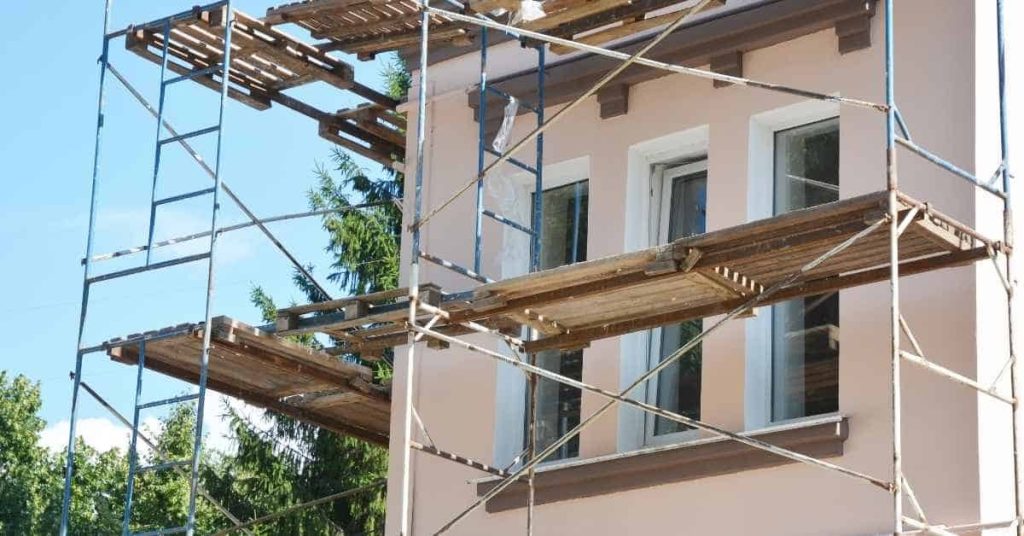
Metal scaffolding around exterior stucco wall

Stucco Fasteners That Rust: Choosing Corrosion-Resistant Options for Accessories

Introduction Corrosion-resistant fasteners for stucco are screws and anchors designed to resist rust and deterioration in exterior plaster assemblies. Choosing these options helps prevent staining and premature failure on outdoor walls. Always follow manufacturer instructions and local rules when selecting materials. For durability, compare stainless steel and coated steel fasteners and read the product labels

Stucco Fasteners That Rust: Choosing Corrosion-Resistant Options for Accessories Read More »

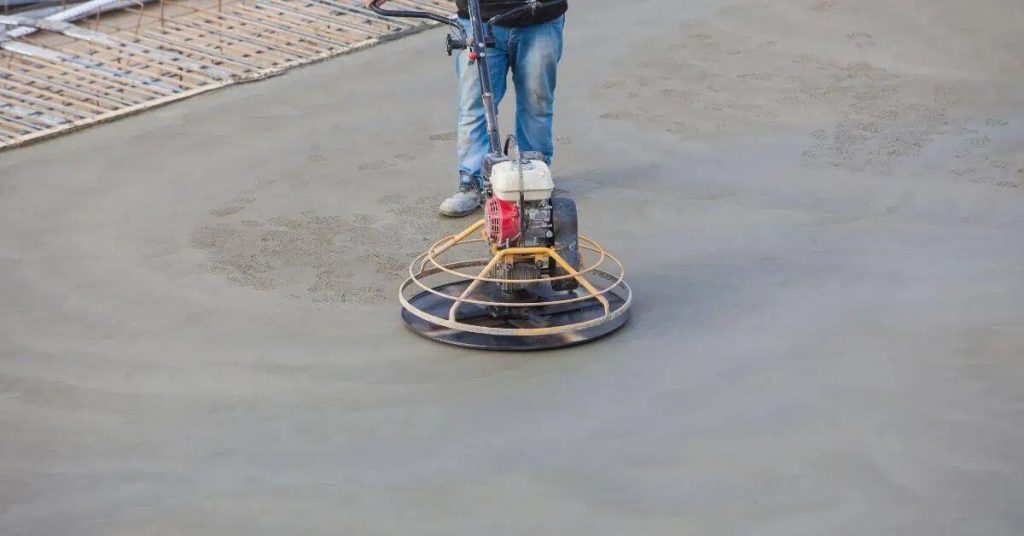
Person operating power trowel on fresh concrete surface

Concrete Finishing at High Altitude: Evaporation Spikes, Set Time Changes, and Curing Adjustments

Introduction Concrete finishing at high altitude means adjusting your process and materials to account for thinner air and changing weather so the slab cures properly and finishes stay intact. Keep the surface protected from rapid evaporation by scheduling pours for cooler parts of the day, covering with appropriate material soon after finishing, and watching wind

Concrete Finishing at High Altitude: Evaporation Spikes, Set Time Changes, and Curing Adjustments Read More »