Search Results for: grinding

Person applying plaster to wall near window corner

Repairing Cracks at Door and Window Corners: Reinforcement Methods That Stay Invisible

Introduction Invisible reinforcement methods for cracks at door and window corners involve strengthening the surrounding frame and substrate without visible patching. This article covers practical, stay-in-place techniques you can do yourself to keep a tight, long-lasting seal. You’ll identify crack types and choose a method that doesn’t alter the look of the opening. Identify crack […]

Repairing Cracks at Door and Window Corners: Reinforcement Methods That Stay Invisible Read More »
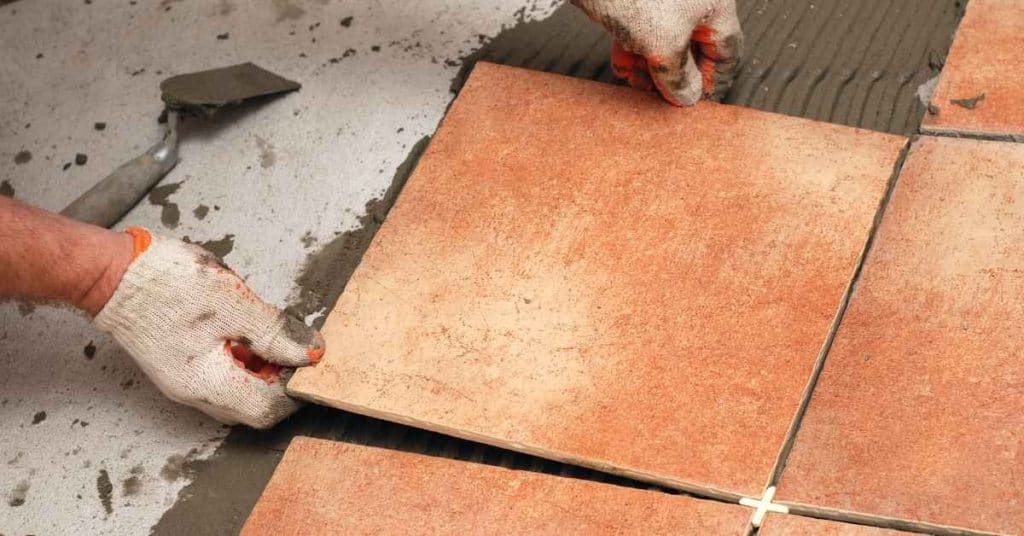
Hands installing square reddish ceramic floor tiles

Dealing with Bowed Tiles: Layout Tricks That Reduce Visible Lippage

Introduction Bowed tiles are not perfectly flat, so an edge or corner can sit higher than the neighboring tile. That height difference is lippage. Layout can make minor, acceptable bow less conspicuous, but it cannot make defective tile, poor mortar coverage, or an uneven substrate acceptable. Before setting tile, inspect representative pieces, check the substrate

Dealing with Bowed Tiles: Layout Tricks That Reduce Visible Lippage Read More »

Drop ceiling grid with missing and installed tiles

Tile Tenting: Why Floors Pop and How to Prevent It During Install

Introduction Tile tenting happens when a floor under the tile lifts or pushes up, creating a tent-like shape. This is usually caused by movement in the subfloor or improper adhesive setup during install. Starting a repair requires finding the source and reworking the substrate and setting materials. Preventing tenting starts with solid prep: fix any

Tile Tenting: Why Floors Pop and How to Prevent It During Install Read More »

Hand holding trowel smoothing fresh concrete surface

Trowel Pressure Basics: How to Avoid Ripples and “Drag Marks”

Introduction Trowel pressure basics are about using steady, even pressure with a finishing trowel to smooth fresh concrete and minimize ripples. Doing it right means consistent body movement, proper timing, and paying attention to the surface as you work. If you need hands-on guidance, you can reach out with questions and we’ll point you to

Trowel Pressure Basics: How to Avoid Ripples and “Drag Marks” Read More »

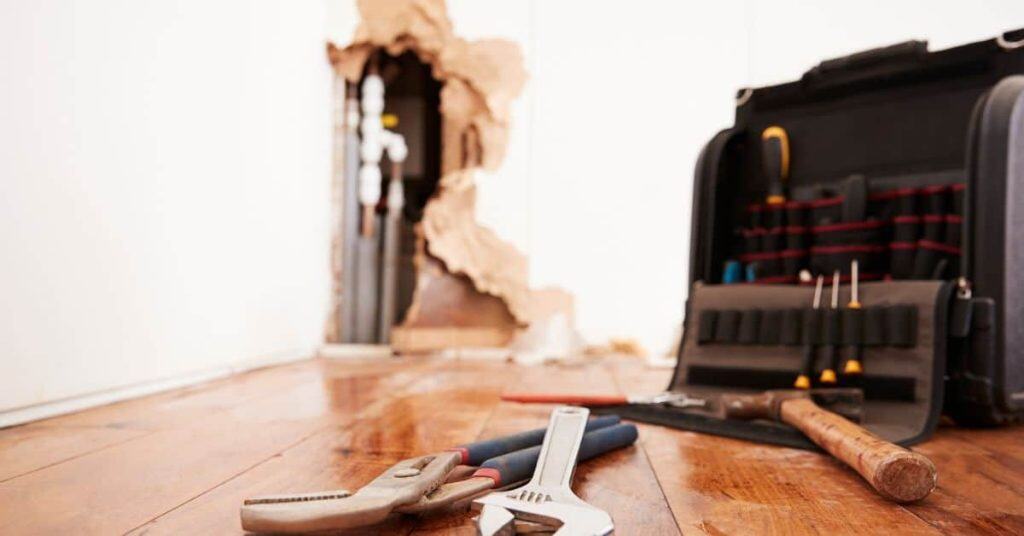
Tools and open toolbox on wooden floor near damaged wall

Tile Cleaners That Damage Grout: What to Avoid and Safer Alternatives

Introduction Tile cleaners that damage grout are products that break down the cementitious grout or its seal, causing staining or crumbling. They can be overly acidic, abrasive, or leave residues that attract dirt. Always check labels and test on a small area first. Safer options include pH-neutral cleaners, mild dish soap with water, or grout-safe

Tile Cleaners That Damage Grout: What to Avoid and Safer Alternatives Read More »

Rubber mallet on tile floor with level tool nearby

Lippage at Outside Corners: How to Plan and Cheat It so It Looks Intentional

Introduction Lippage at outside corners happens when tile edges don’t line up cleanly at the corner. This guide explains how to plan the layout and adjust the cut to make it look intentional. Think ahead by dry-fitting pieces, marking where you will cut, and adjusting your layout to hide small gaps. Check local guidelines and

Lippage at Outside Corners: How to Plan and Cheat It so It Looks Intentional Read More »

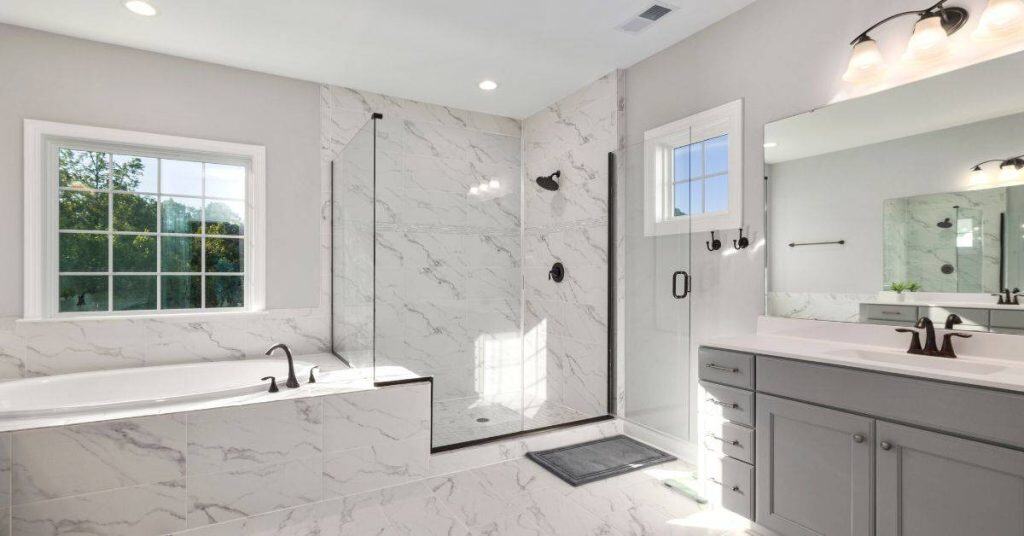
Modern bathroom with glass shower and marble tiles

Shower Curb Waterproofing: Common Failure Points and How to Build It Right

Introduction Shower curb waterproofing is the process of sealing the edges and top of the curb to keep water from entering walls and floors. Common failure points include gaps at corners, improper flashing, and neglecting the top edge where shower water can splash. In this article, we’ll cover how to build it right with basic,

Shower Curb Waterproofing: Common Failure Points and How to Build It Right Read More »

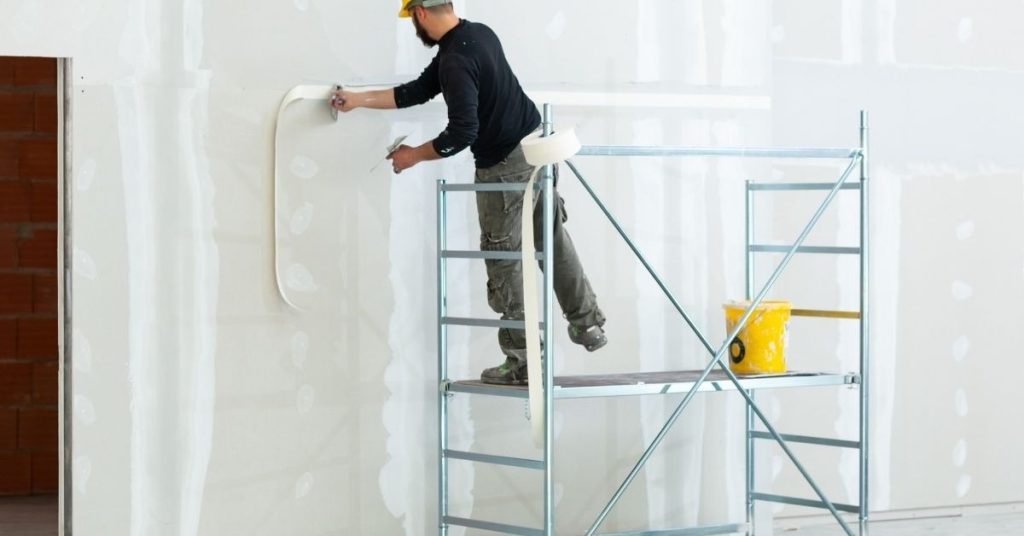
Worker applying tape to drywall seams on scaffold

Cement Board Seams: Tape + Thinset Technique That Doesn’t Create Humps

Introduction Cement board seams are the joints where panels meet and must be taped and mudded to stay flat. This article covers a practical tape plus thinset method that minimizes humps. Work with clean surfaces, use the right tape and setting compound per manufacturer instructions, and blend joints smoothly. If you’re unsure about product specs

Cement Board Seams: Tape + Thinset Technique That Doesn’t Create Humps Read More »

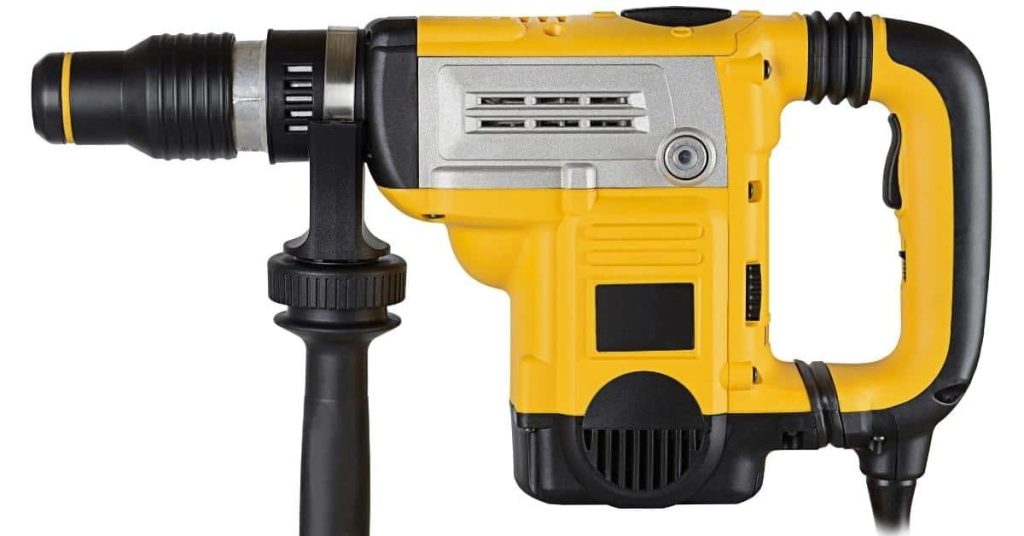
Yellow and black electric hammer drill on white background

Removing Tile Without Destroying the Substrate: Tool Choices and Realistic Expectations

Introduction Removing tile without destroying the substrate means lifting the tile and backing material carefully while protecting the surface underneath. Have the right tools ready, like a chisel, a pry bar, and an oscillating multi-tool with a scraper blade, and plan your work so you don’t pry blindly. Start by testing a corner tile and

Removing Tile Without Destroying the Substrate: Tool Choices and Realistic Expectations Read More »

Hand applying white grout to ceramic tiles with a grout float

Tile over Tile: When It’s Acceptable and the Surface Prep That Makes It Work

Introduction Tile over tile is acceptable when the existing tile surface is sound, clean, and properly stabilized. If the current tile is loose or cracked, or the surface is delaminating, you’ll want to address that first. This article walks you through what to check and why, in plain DIY language. First, inspect the substrate for

Tile over Tile: When It’s Acceptable and the Surface Prep That Makes It Work Read More »