Search Results for: grinding

Concrete slab being smoothed with a long-handled float

Concrete Tool Cleanup: Keeping floats flat, trowels smooth, and handles solid

Introduction Concrete tool cleanup means removing concrete residue and debris from floats, trowels, and handles so they stay flat and true. Do it soon after use while the slab is still workable, and focus on each tool as you walk off the job. This keeps your finishes consistent and your gear ready for the next […]

Concrete Tool Cleanup: Keeping floats flat, trowels smooth, and handles solid Read More »

Hand holding spray paint gun near peeling painted wooden siding

Fixing Cracked Elastomeric Coatings: Prep and recoats that stop peeling

Introduction Fixing cracked elastomeric coatings means repairing and reapplying a flexible protective layer so cracks stop growing and peeling ends. Cracking often comes from substrate movement, UV exposure, or poor initial prep, so surface prep and proper adhesion are key. In this hands-on guide, you’ll learn how to clean, repair, and re-coat using the right

Fixing Cracked Elastomeric Coatings: Prep and recoats that stop peeling Read More »

Concrete test cube being compressed by testing machine

Concrete Moisture Problems Indoors: Why coatings fail and what to test first

Introduction Concrete moisture problems indoors occur when water moves through or sits in the slab, which can undermine coatings and sealers. This movement changes how the surface behaves and can cause failure even after installation. Start by understanding where the moisture is coming from and how the slab dries over time. First, visually inspect for

Concrete Moisture Problems Indoors: Why coatings fail and what to test first Read More »

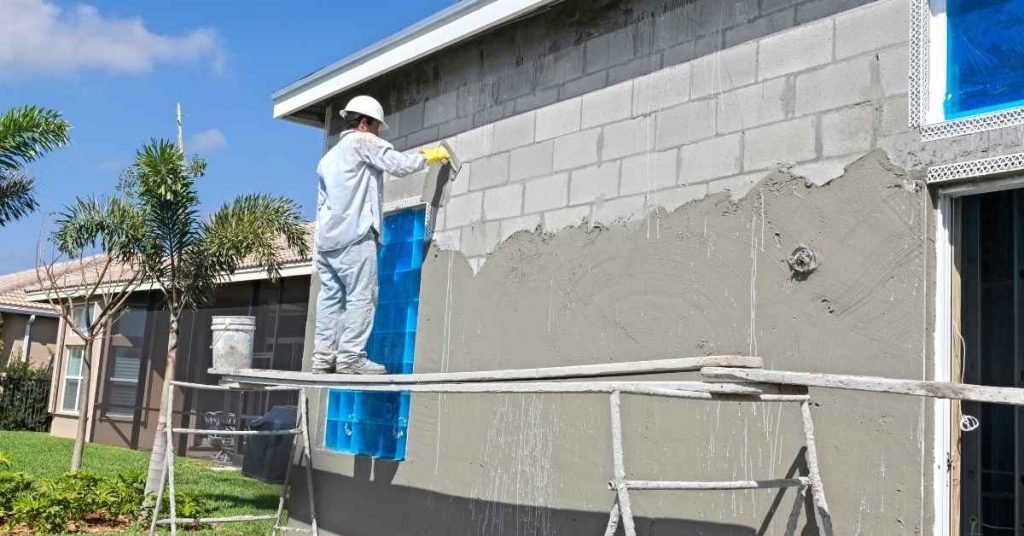
Worker applying stucco on cinder block wall outside house

Hollow-Sounding Stucco: Diagnosing debonding and choosing the right repair

Introduction Hollow-sounding stucco means the plaster layer is pulling away from the underlying surface, making a thump or hollow note when you tap it. This usually points to debonding or voids behind the stucco. If you hear it, start by confirming where the sound is strongest and what the visible signs are. Use plain, practical

Hollow-Sounding Stucco: Diagnosing debonding and choosing the right repair Read More »

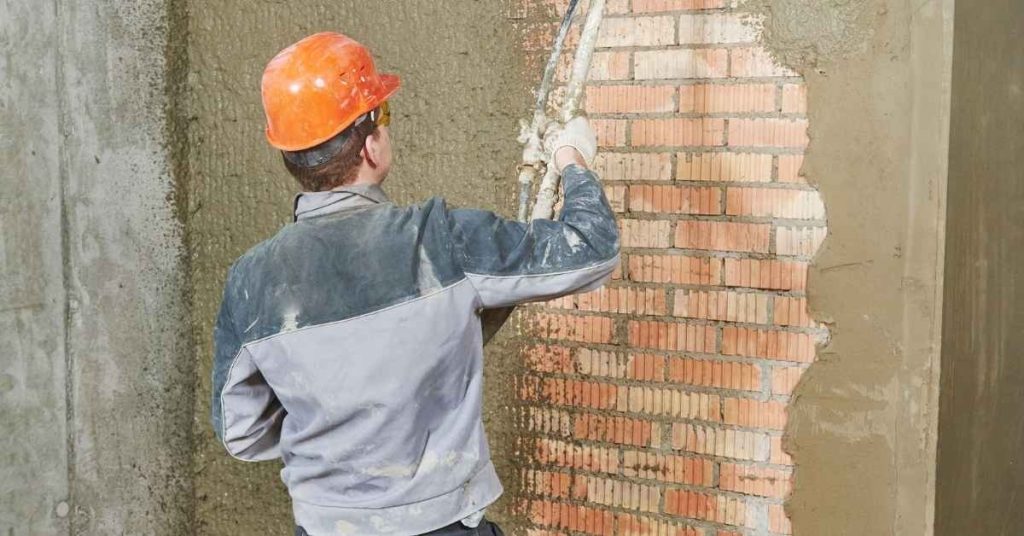
Worker applying stucco to brick wall wearing orange helmet

Rain Exposure on Fresh Stucco: What to do if it gets wet too soon

Introduction Wet stucco early can trap moisture and lead to a softer, compromised surface. If rain hits fresh stucco, you should assess the surface for shine, tackiness, or any cracking. Do not rush to finish or apply additional coats until you understand the current condition and what the material needs. If rain is still possible,

Rain Exposure on Fresh Stucco: What to do if it gets wet too soon Read More »

Smooth white plastered ceiling with single hanging light bulb

Blistering Plaster Finish Coats: Causes and a cleaner re-skim approach

Introduction Blistering plaster finish coats are finish layers that lift or bubble because moisture or poor adhesion gets trapped under the surface. In DIY work, heat, humidity, or applying a coat too thick can start blisters. A cleaner re-skim approach means removing the loose skin and reflowing the coat while following the product’s instructions. Begin

Blistering Plaster Finish Coats: Causes and a cleaner re-skim approach Read More »