Search Results for: footing pads for concrete

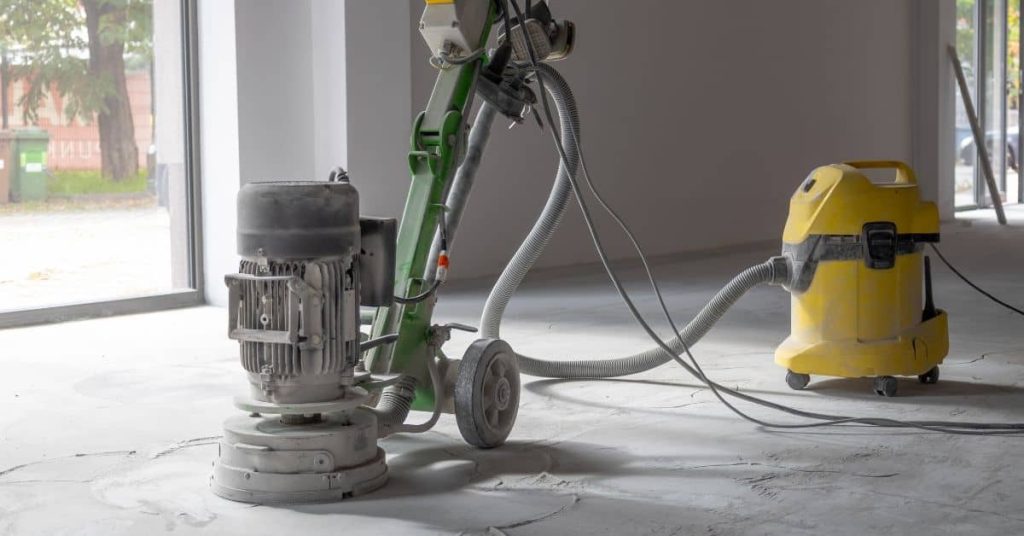
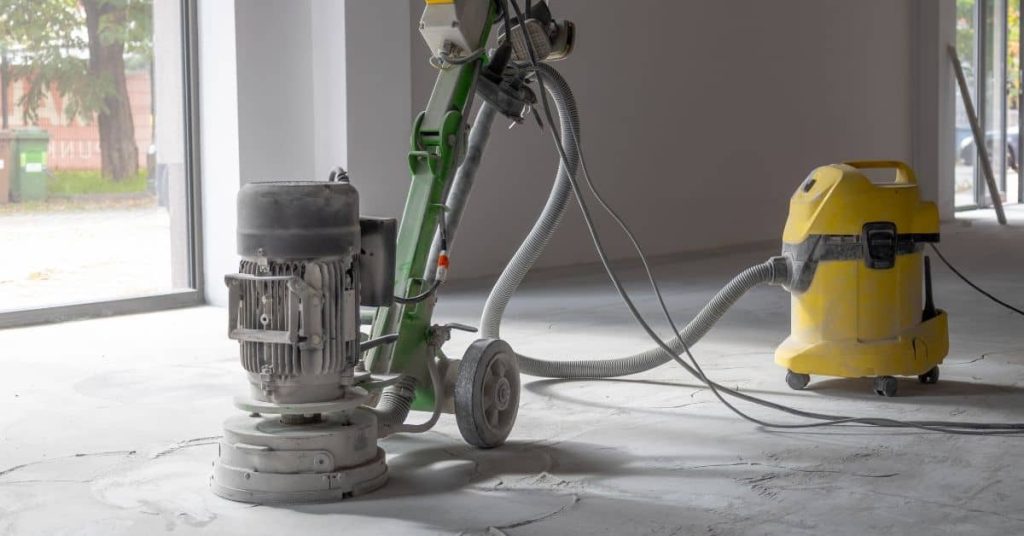
Concrete floor grinder connected to yellow vacuum cleaner indoors

Diagnosing Concrete Delamination: Chain Drag vs Hammer Sounding and What Each Misses

Introduction Delamination in concrete is when layers or patches separate, revealing hollow or weaker zones beneath the surface. Using a chain drag helps you feel for soft spots by listening and feeling where the chain catches. Hammer sounding can also reveal hollow tones, but it may miss shallow or narrow separations. Both tests have limits […]

Diagnosing Concrete Delamination: Chain Drag vs Hammer Sounding and What Each Misses Read More »
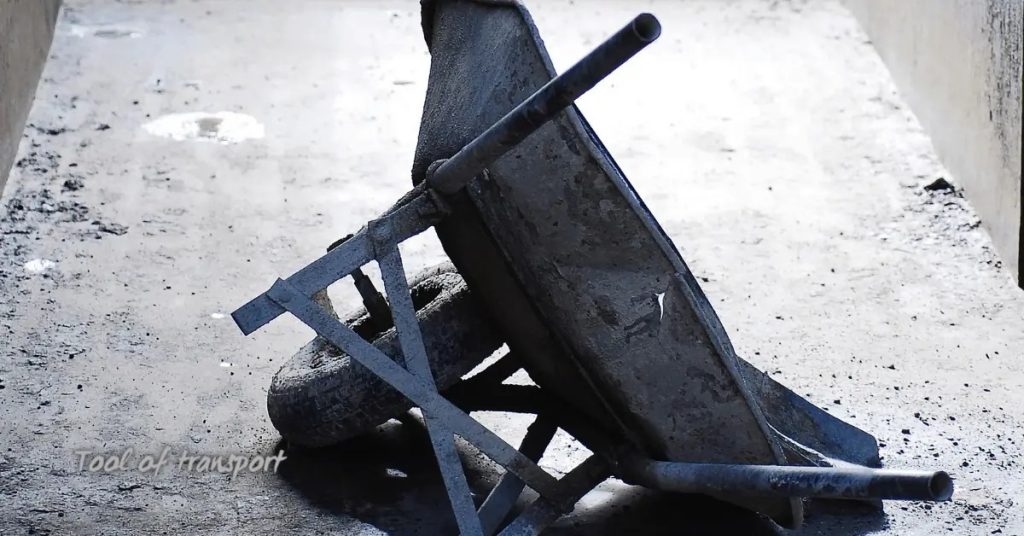
Empty wheelbarrow resting on concrete surface

Concrete Near Downspouts: Slopes, Splash Blocks, and How to Stop Undermining

Introduction Concrete near downspouts needs proper slope and splash protection to prevent water from undermining the footing. Gutters and splash blocks channel roof runoff away from the foundation and concrete edge. This article explains what splash blocks are, why they matter, and how to position them so water moves away from the wall. Choosing a

Concrete Near Downspouts: Slopes, Splash Blocks, and How to Stop Undermining Read More »

Red brick pavers being laid on sand base with masonry tools

Concrete Pads on Clay Soil: Base prep that reduces settlement and cracking

Introduction Concrete pads on clay soil require a proper base prep to minimize settlement and cracking. The base should be clean, graded, and compacted to create a stable, drainage-friendly surface. If you’re unsure about soil conditions, check with local rules or a product label for guidance on acceptable fill and compacting methods. Understanding what causes

Concrete Pads on Clay Soil: Base prep that reduces settlement and cracking Read More »

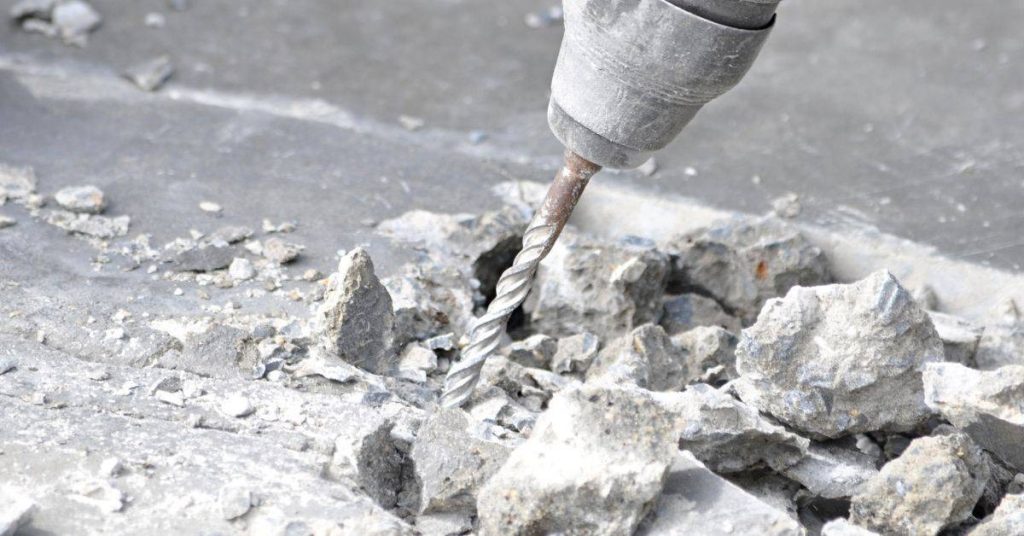
closeup of drill bit breaking concrete surface

Setting Posts in Concrete: How to avoid the ‘water cup’ rot trap

Introduction Setting posts in concrete helps keep them straight and protected from rot by sealing the base. This quick intro covers practical steps to avoid the water cup rot trap and finish a solid, long-lasting post setup. You’ll learn what to check and how to handle common DIY spots without getting overwhelmed. Look at the

Setting Posts in Concrete: How to avoid the ‘water cup’ rot trap Read More »

Concrete floor grinder connected to yellow vacuum cleaner

Bugholes on Formed Concrete: Vibration, release agents, and mix tweaks that help

Introduction Bugholes on formed concrete are small air cavities that mar the surface after form removal. They happen from trapped air, sticky release agents, or improper vibration. In DIY work, you can reduce them by adjusting how you vibrate, how you release the form, and how you mix your concrete. Use the right vibration technique

Bugholes on Formed Concrete: Vibration, release agents, and mix tweaks that help Read More »

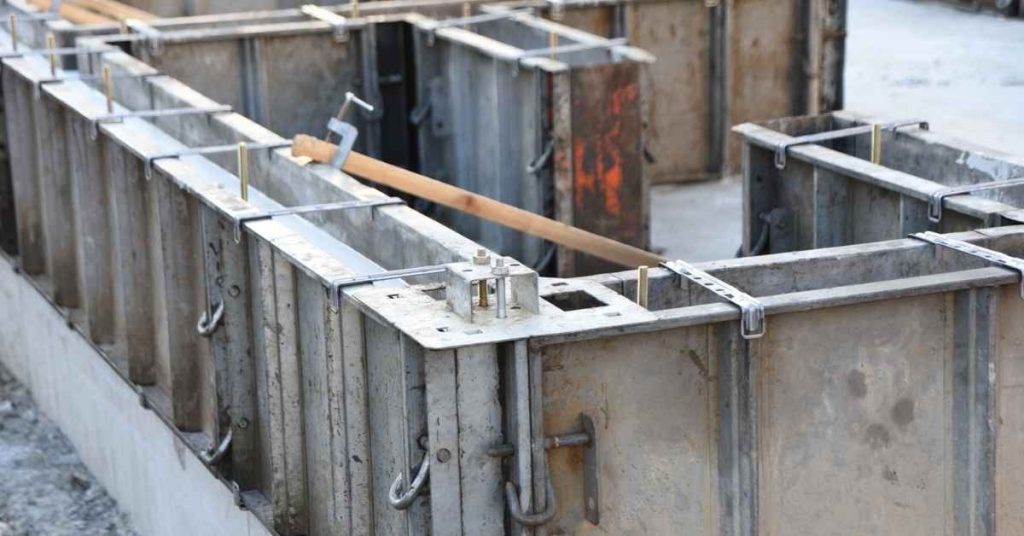
Metal concrete formwork arranged to shape a corner

Concrete That Cracks at Re-Entrant Corners: Layout tricks to reduce stress cracks

Introduction Re-entrant corners are sharp, inward-facing corners in a concrete layout where cracks tend to start. This article covers simple layout tricks to reduce those stress cracks during pouring and finishing. You’ll learn practical ideas you can apply on a DIY project without fancy tools. Using radiused corners and properly placed joint lines helps lower

Concrete That Cracks at Re-Entrant Corners: Layout tricks to reduce stress cracks Read More »

Black freestanding bathtub on dark concrete floor

Concrete Under Heavy Shelving: Load distribution and avoiding point-load cracking

Introduction Concrete under heavy shelving means the floor must spread a concentrated weight over a larger area to prevent cracking. In plain terms, a point load is a high force on a small spot that can pinhole or crack the slab. This is a practical, hands-on issue you’ll manage by checking how the load sits

Concrete Under Heavy Shelving: Load distribution and avoiding point-load cracking Read More »

Concrete slab being poured and leveled inside a building

Pouring Footings in Wet Soil: Pumping, Mud Control, and When to Wait

Introduction Pouring footings in wet soil means you must stabilize the site first, remove water, and control mud before concrete. Assess drainage, stick to a plan for pumping, and set up barriers to keep mud from spreading. If conditions aren’t right, it’s safer to wait and check local guidance. Set up proper forms and ensure

Pouring Footings in Wet Soil: Pumping, Mud Control, and When to Wait Read More »