Search Results for: floor sand paper

Step-by-Step: Performing a Diy Moisture Scan Around Windows and Flashing in Stucco Walls

Step-by-Step: Performing a Diy Moisture Scan Around Windows and Flashing in Stucco Walls

Introduction You can perform a DIY moisture scan around windows and flashing in stucco walls to detect hidden moisture. The guide walks through practical steps, safety tips, and common signs of water intrusion, so you’ll learn how to inspect flashing, assess the condition around window openings, and understand what actions to take to protect the […]

Step-by-Step: Performing a Diy Moisture Scan Around Windows and Flashing in Stucco Walls Read More »
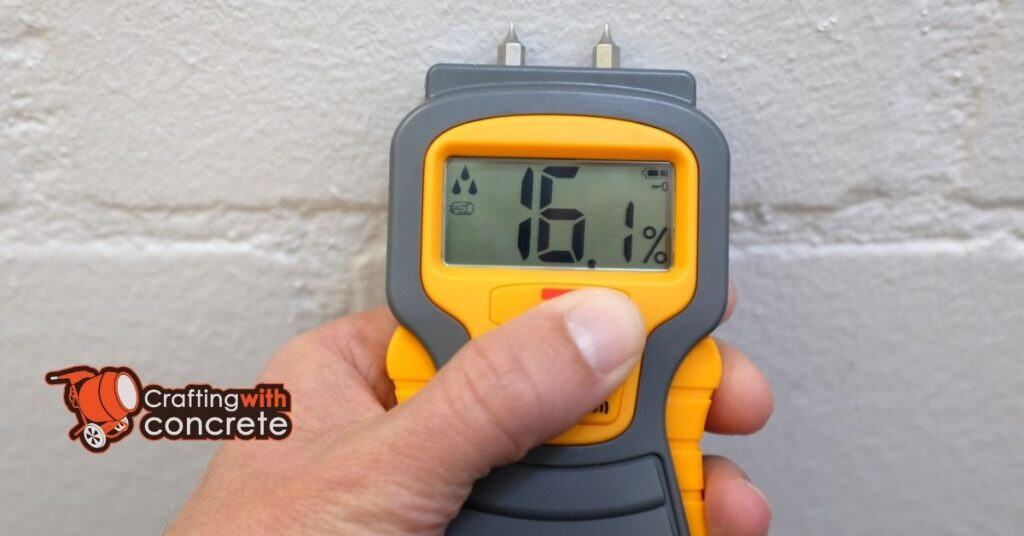
Pin Vs Pinless: Choosing the Right Moisture Meter for Stucco Inspections

Table of Contents Why moisture measurement matters for stucco-clad buildings How pin moisture meters work (technical deep dive) How pinless moisture meters work (technical deep dive) Head-to-head comparison: pros, cons, and performance factors Stucco-specific inspection protocols and best practices Troubleshooting false positives and ambiguous readings on stucco Calibration, maintenance, and meter settings for accurate results

Pin Vs Pinless: Choosing the Right Moisture Meter for Stucco Inspections Read More »

How to Use a Pinless Moisture Meter to Find Hidden Water in Stucco and Eifs

How to Use a Pinless Moisture Meter to Find Hidden Water in Stucco and Eifs

Table of Contents What is a pinless (non‑invasive) moisture meter? When to use pinless vs. pin/probe meters and moisture scanners Tools, gear, and prep checklist for safe EIFS/stucco moisture scans Step‑by‑step scanning technique for stucco and EIFS Interpreting readings: thresholds, relative values, and common confounders Confirming suspect readings and avoiding false positives Common user errors,

How to Use a Pinless Moisture Meter to Find Hidden Water in Stucco and Eifs Read More »

How to Spot Hidden Moisture in Stucco with a Simple Meter

How to Spot Hidden Moisture in Stucco with a Simple Meter

Table of Contents Why hidden moisture in stucco and EIFS matters Quick overview of moisture meters: pin, pinless, and combo Choosing a single, affordable meter for DIY stucco checks When to test: timing and triggers Where to test on stucco and EIFS — high-risk zones Pre-inspection visual checklist Step-by-step scanning workflow using one simple meter

How to Spot Hidden Moisture in Stucco with a Simple Meter Read More »

Best Sealants and Tapes for Repairing Wrbs Around Window and Door Openings

Best Sealants and Tapes for Repairing WRBs Around Window and Door Openings

Table of Contents Overview: Why WRB Repairs Around Openings Matter Sealant Types and Best Uses (Silicone, Polyurethane, Hybrid/MS) Flashing Tapes vs Liquid‑Applied Membranes Surface Preparation and Adhesion Best Practices Installation Sequences and Step‑by‑Step Flashing Details Technical Specs to Compare (Adhesion, Movement, UV, Temp) Product Selection Flowchart and Climate/Substrate Guidance Tools, Materials Checklist and Job-Site Best

Best Sealants and Tapes for Repairing WRBs Around Window and Door Openings Read More »

How to Patch Small Wrb Punctures with Liquid Flash Before Re-Stucco

How to Patch Small Wrb Punctures with Liquid Flash Before Re-Stucco

Table of Contents Why WRB Integrity Matters Before Stucco When to Use Liquid Flash vs. Tape or Full Panel Repair Recommended Liquid Flash Products and Compatibility Matrix Tools, PPE, and Materials Checklist Step‑by‑Step Repair Method for Small Punctures (Exact Technique) Curing, Environmental Limits, and Inspection Criteria Integration with Stucco Lath and Finish Work Troubleshooting, Common

How to Patch Small Wrb Punctures with Liquid Flash Before Re-Stucco Read More »

Anchorage in Old Brick—Safe Methods and Cautions

Anchorage in Old Brick—Safe Methods and Cautions

Table of Contents Overview and Purpose Assessing Brick & Mortar Condition Brick Types and Their Implications Mortar Joint Characteristics and Risks Anchor Types—Overview Choosing the Right Anchor Load Types and Calculations Drill Bits, Hole Preparation, and Cleaning Installing Mechanical Anchors (Step-by-Step) Installing Chemical (Adhesive) Anchors (Step-by-Step) Anchoring into Hollow Brick and Cavity Walls Anchorage for

Anchorage in Old Brick—Safe Methods and Cautions Read More »

Testing Epoxy Expiration with a Small Sample

Testing Epoxy Expiration with a Small Sample

Table of Contents What “expired” epoxy means (chemical and practical definitions) Safety first: PPE, ventilation, and handling old epoxy Preparing a reliable small-sample test (materials, environment, and controls) Step-by-step mini-cup cure test (the core small-sample method) Quick qualitative checks before doing destructive tests (visual, smell, viscosity) Mechanical and functional small-sample tests (brittleness, hardness, adhesion) Diagnosing

Testing Epoxy Expiration with a Small Sample Read More »

Repairing Broom Finish in Concrete After a Bad Pass

Repairing Broom Finish in Concrete After a Bad Pass

Table of Contents Quick Triage — Is Repair Possible or Is a Re-pour Needed? Common Causes of a Bad Broom Pass Tools, Materials and Safety Before Repair Surface Preparation and Timing for Repairs Repair Methods — Step-by-Step Procedures Matching and Recreating Broom Texture Finishing, Curing and Sealing After Repair Quality Acceptance, Documentation and Communication Preventative

Repairing Broom Finish in Concrete After a Bad Pass Read More »

Making Your Own Control Joint Tool from Scrap Steel

Making Your Own Control Joint Tool from Scrap Steel

Table of Contents What is a Control Joint Tool and Why Make One from Scrap Steel Concrete Joint Standards and Design Requirements Materials — Choosing the Right Scrap Steel Tools, Consumables, and Safety Gear Needed Design Options and Templates (Fixed vs Adjustable) Step-by-Step Fabrication: Cutting and Shaping Parts Assembly and Welding Best Practices Heat Treatment,

Making Your Own Control Joint Tool from Scrap Steel Read More »