Search Results for: fixing crack indoor concrete floor

Best Sealants and Tapes for Repairing Wrbs Around Window and Door Openings

Best Sealants and Tapes for Repairing WRBs Around Window and Door Openings

Table of Contents Overview: Why WRB Repairs Around Openings Matter Sealant Types and Best Uses (Silicone, Polyurethane, Hybrid/MS) Flashing Tapes vs Liquid‑Applied Membranes Surface Preparation and Adhesion Best Practices Installation Sequences and Step‑by‑Step Flashing Details Technical Specs to Compare (Adhesion, Movement, UV, Temp) Product Selection Flowchart and Climate/Substrate Guidance Tools, Materials Checklist and Job-Site Best […]

Best Sealants and Tapes for Repairing WRBs Around Window and Door Openings Read More »
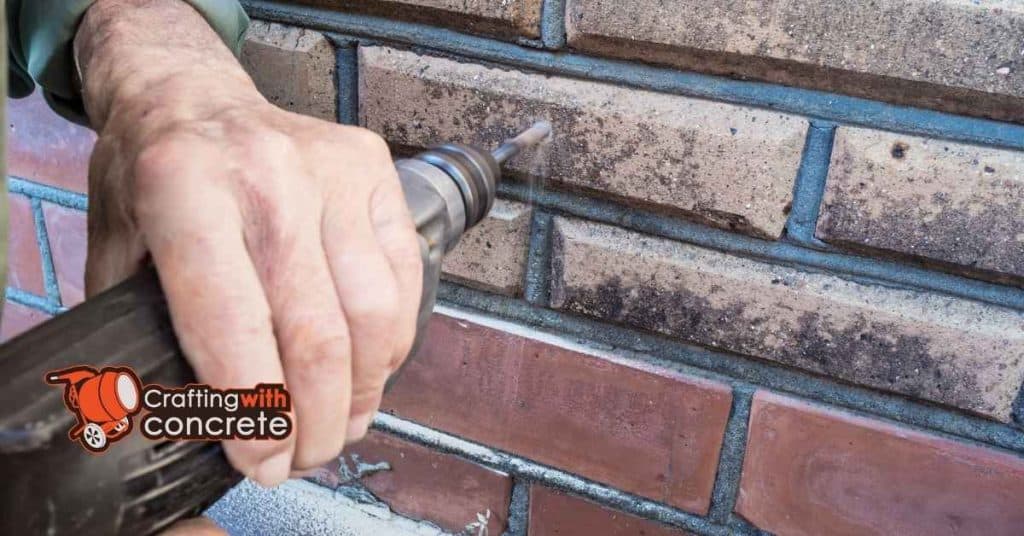
Anchorage in Old Brick—Safe Methods and Cautions

Anchorage in Old Brick—Safe Methods and Cautions

Table of Contents Overview and Purpose Assessing Brick & Mortar Condition Brick Types and Their Implications Mortar Joint Characteristics and Risks Anchor Types—Overview Choosing the Right Anchor Load Types and Calculations Drill Bits, Hole Preparation, and Cleaning Installing Mechanical Anchors (Step-by-Step) Installing Chemical (Adhesive) Anchors (Step-by-Step) Anchoring into Hollow Brick and Cavity Walls Anchorage for

Anchorage in Old Brick—Safe Methods and Cautions Read More »

Making Your Own Control Joint Tool from Scrap Steel

Making Your Own Control Joint Tool from Scrap Steel

Table of Contents What is a Control Joint Tool and Why Make One from Scrap Steel Concrete Joint Standards and Design Requirements Materials — Choosing the Right Scrap Steel Tools, Consumables, and Safety Gear Needed Design Options and Templates (Fixed vs Adjustable) Step-by-Step Fabrication: Cutting and Shaping Parts Assembly and Welding Best Practices Heat Treatment,

Making Your Own Control Joint Tool from Scrap Steel Read More »

Low-Carbon Options Slag, Fly Ash, and Calcined Clay for Diyers

Low-Carbon Options: Slag, Fly Ash, and Calcined Clay for Diyers

Table of Contents Why conventional cement and concrete are carbon‑intensive What “low‑carbon concrete” means for DIYers Supplementary cementitious materials (SCMs) overview Ground Granulated Blast‑Furnace Slag (GGBFS) Coal Fly Ash (Class F and Class C) Calcined Clay and LC3 (metakaolin, limestone‑calcined clay cement) Practical DIY mix designs, step‑by‑step recipes and troubleshooting Admixtures, testing, quality control and

Low-Carbon Options: Slag, Fly Ash, and Calcined Clay for Diyers Read More »

Using Recycled Glass as Decorative Aggregate—Safety Notes

Table of Contents What is recycled glass aggregate (cullet) and common sizes Health concerns: sharpness, cuts, and handling Inhalation risks and silica considerations Safe preparation and processing of recycled glass DIY crushing and safety protocols Sourcing recycled glass: municipal programs and suppliers Applications suitable for decorative recycled glass Installation best practices to minimize safety risks

Using Recycled Glass as Decorative Aggregate—Safety Notes Read More »

Wet-Sanding Counters Without Clouds of Dust

Wet-Sanding Counters Without Clouds of Dust

Table of Contents When to choose wet-sanding vs dry-sanding Tools and materials checklist Workspace setup and containment to minimize dust spread Surface preparation and repairs before wet-sanding Step-by-step wet-sanding technique Polishing and buffing for a streak-free finish Cleanup, drying, and post-project inspection Safety, health risks, and PPE (explicit guidance) Wastewater, environmental handling, and legal considerations

Wet-Sanding Counters Without Clouds of Dust Read More »

How to Set Sleeve Conduits Through Slabs Before You Pour

How to Set Sleeve Conduits Through Slabs Before You Pour

Table of Contents Why pre-setting sleeves matters Types of sleeve materials and when to use them Sizing sleeves and clearance guidelines Layout, positioning, and elevation planning Coordination with rebar, mesh, and post-tension systems Formwork and sleeve installation techniques Bracing, blocking, and securing sleeves before pour Protecting the vapor barrier and waterproofing at sleeve penetrations Sealing

How to Set Sleeve Conduits Through Slabs Before You Pour Read More »

How to Keep Pigments Consistent Between Batches

How to Keep Pigments Consistent Between Batches

Table of Contents Introduction Understanding the Importance of Consistent Pigment Batches Challenges with Specific Pigments Ensuring Color Match and Preventing Mixing Issues Common Problems from Inconsistent Batches Techniques to Ensure Consistency Mastering Mixing Techniques for Consistent Pigment Batches Environmental Factors Affecting Pigment Stability Importance of Working with Reliable Suppliers Cost Implications of Inconsistent Pigment Batches

How to Keep Pigments Consistent Between Batches Read More »

Breathable Vs. Film-Forming Sealers Choosing for Stucco

Breathable Vs. Film-Forming Sealers: Choosing for Stucco

Table of Contents Introduction Understanding the Importance of Sealing Stucco Types of Stucco Sealers: Breathable vs. Film-Forming Step-by-Step Guide to Sealing Stucco Common Mistakes to Avoid When Sealing Stucco Maintaining Sealed Stucco Cost Analysis of Breathable vs. Film-Forming Sealers Safety Precautions for Sealer Application Long-Term Performance Comparison Environmental Impact of Sealer Types Planning Considerations for

Breathable Vs. Film-Forming Sealers: Choosing for Stucco Read More »