Search Results for: finishing

Worker pouring concrete over exposed rebar grid

Concrete Spall Repair with Rebar Exposure: Cleaning, Passivation, and Patch Build-Up

Introduction Concrete spall repair with rebar exposure means removing loose concrete, cleaning and protecting any exposed steel, and rebuilding the patch so the surface is sound and bonded. In DIY terms that means chipping out unsound material, getting the rebar clean and passivated, and building the repair in layers so it cures properly. Check product […]

Concrete Spall Repair with Rebar Exposure: Cleaning, Passivation, and Patch Build-Up Read More »

Concrete being poured into wooden forms

How to Repair a Broken Concrete Curb Corner: Forms, Dowels, and Texture Matching

Introduction Repairing a broken concrete curb corner means removing loose material, rebuilding a solid edge with a form and dowels for reinforcement, and matching the original texture so the patch blends in. This is a hands-on job that requires cleaning the area, choosing a compatible concrete or patch mix, and setting simple forms to get

How to Repair a Broken Concrete Curb Corner: Forms, Dowels, and Texture Matching Read More »

Close-up of concrete edge with green moss growth

Concrete Edge Chipping Near Garages: Why It Starts and How to Armor the Edge

Introduction Concrete edge chipping near garages happens when traffic, moisture, freeze-thaw cycles, and weak edge support combine to break the thin, exposed rim of the slab. I’ll explain the common causes and practical fixes so you can stop new damage and protect the slab edge. This is written as a hands-on DIY approach you can

Concrete Edge Chipping Near Garages: Why It Starts and How to Armor the Edge Read More »

Wooden concrete forms with rebar inside on a construction site

Concrete Consolidation for Small Forms: Vibrator Selection, Technique, and Over-Vibration Signs

Introduction Concrete consolidation for small forms means using vibration to remove trapped air and settle the mix so it fills corners and around rebar; the goal is a dense, well-bonded pour. Choose a vibrator type that fits the form size and access—handheld units, drill attachments, or a short poke vibrator—and check the tool and concrete

Concrete Consolidation for Small Forms: Vibrator Selection, Technique, and Over-Vibration Signs Read More »

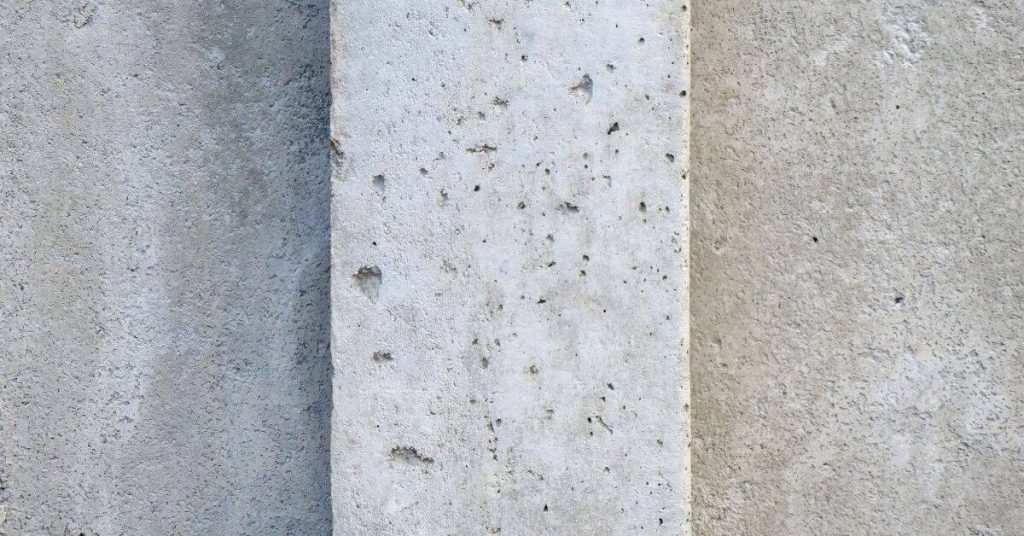
Close up of three concrete slabs with visible surface holes

Concrete Curing Blankets: Choosing Thickness, Timing, and How to Avoid Surface Damage

Introduction Concrete curing blankets are coverings that hold heat and moisture near the slab so the concrete gains strength and resists surface cracking. They come in different thicknesses and materials, so check the product label or manufacturer instructions to match blanket thickness to your climate and pour size. For DIYers, think of them as a

Concrete Curing Blankets: Choosing Thickness, Timing, and How to Avoid Surface Damage Read More »

Concrete surface with visible fine crack and discoloration

Concrete Surface Laitance: How to Spot It, Remove It, and Prevent It Next Time

Introduction Concrete laitance is a weak, powdery layer of cement and fines that rises to the surface of fresh concrete and leaves a dusty or flaky skin. It shows up when excess water or fine particles migrate during finishing and ruins adhesion and durability if left in place. Home DIYers can spot it by rubbing

Concrete Surface Laitance: How to Spot It, Remove It, and Prevent It Next Time Read More »

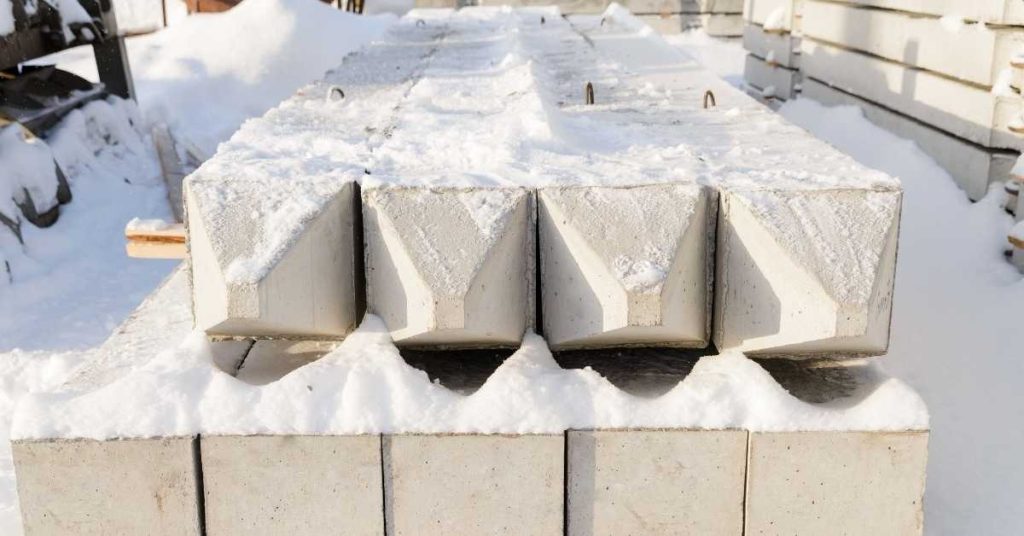
Precast concrete beams covered with snow outdoors

Fiber Reinforced Concrete for Small Projects: Poly vs Glass vs Steel Fibers Compared

Introduction Fiber reinforced concrete for small projects is concrete mixed with short fibers—polypropylene, glass, or steel—added to improve crack control and toughness; think of them as a distributed reinforcement choice rather than a substitute for rebar when needed. For a DIYer, the choice depends on the job: polypropylene is economical and helps plastic shrinkage, glass

Fiber Reinforced Concrete for Small Projects: Poly vs Glass vs Steel Fibers Compared Read More »

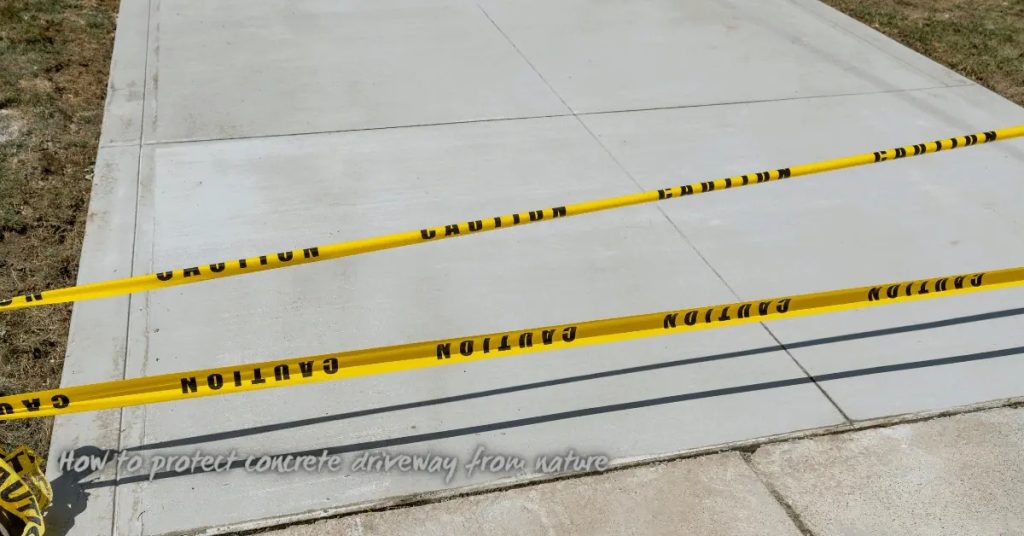
Fresh concrete driveway section with yellow caution tape

How to Create a Two-Tone Concrete Border: Tape Lines, Saw Cuts, and Sealing Strategy

Introduction Creating a two-tone concrete border means masking and finishing a clean edge so two different surface colors or textures sit next to each other without bleeding. Start by preparing the concrete—clean, repair cracks, and make sure the surface is dry and compatible with whatever coloring method you plan to use. Pick tape made for

How to Create a Two-Tone Concrete Border: Tape Lines, Saw Cuts, and Sealing Strategy Read More »

Rows of concrete blocks drying on racks in indoor environment

Concrete Patching in Thin Layers: Polymer Mods, Lift Limits, and Curing Between Coats

Introduction Concrete patching in thin layers means repairing shallow spalls or surface defects with a polymer‑modified patch material applied in successive thin lifts until the surface is rebuilt. This approach uses a blend of cement and polymer to improve bond and flexibility, but check the product label and manufacturer instructions for mix details, maximum lift

Concrete Patching in Thin Layers: Polymer Mods, Lift Limits, and Curing Between Coats Read More »

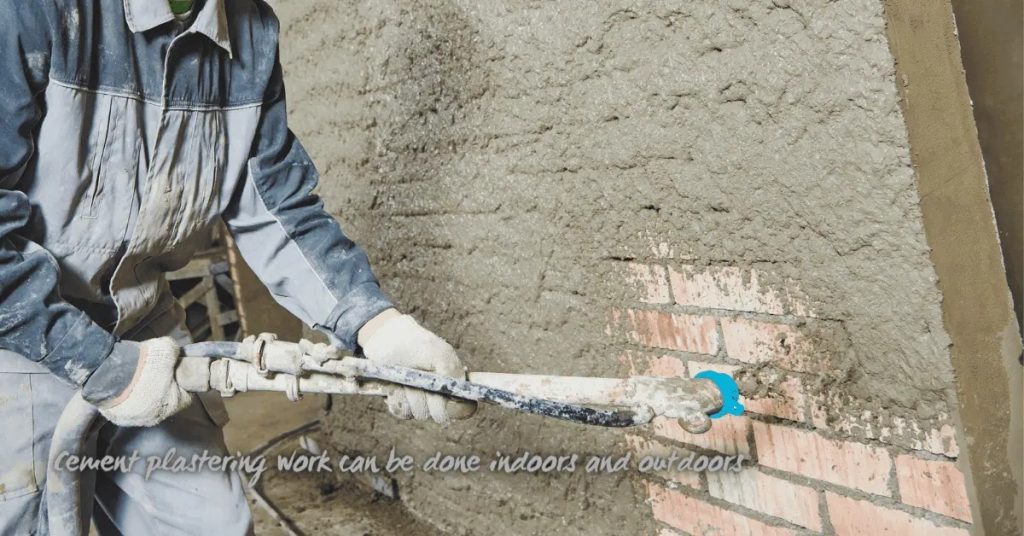
Worker spraying cement plaster on brick wall indoors

Bonding Old to New Concrete at Vertical Faces: Keys, Dowels, and Epoxy vs Cement Slurry

Introduction Bonding old to new concrete at a vertical face means creating a mechanical and/or adhesive connection so the new pour acts like part of the same structure. That usually comes down to creating keys or dowels for mechanical interlock and choosing an appropriate bonding agent—epoxy or cement slurry—based on strength needs and manufacturer instructions.

Bonding Old to New Concrete at Vertical Faces: Keys, Dowels, and Epoxy vs Cement Slurry Read More »