Search Results for: finishing

Slate roof with metal flashing at roof-to-wall joint

Stucco Around Roof-to-Wall Kickout Flashing: Fixing the Most Common Leak Detail

Introduction Stucco around roof-to-wall kickout flashing is the detail where the siding meets the roof and the flashing diverts water away from the wall; fixing it means making sure the flashing, substrate, and stucco meet cleanly so water can’t get behind the finish. This is a hands-on job that usually involves removing a bit of […]

Stucco Around Roof-to-Wall Kickout Flashing: Fixing the Most Common Leak Detail Read More »
Paint roller applying gray paint on white wall

Distressing Paint the Right Way: A Weekend Project Timeline

Introduction Transforming furniture with distressed paint doesn’t have to be a lengthy process. With the right plan and techniques, you can achieve a beautiful, lived-in look in just a couple of weekend sessions. In this guide, we’ll break down the distressing paint process into manageable steps, focusing on the timeline so you can complete your

Distressing Paint the Right Way: A Weekend Project Timeline Read More »

Person painting white edge of wooden board with brush

Painter’s Tape Alternatives: Liquid Mask & Edge Sealers – Step-by-Step Timeline

Introduction Tackling a DIY painting project? Understanding the timeline for painter’s tape alternatives like liquid mask and edge sealers can save you time and ensure crisp, professional-looking results. Here’s a step-by-step guide to help you plan your project efficiently. Whether you’re working on tight corners, porous surfaces, or delicate finishes, these alternatives offer a softer

Painter’s Tape Alternatives: Liquid Mask & Edge Sealers – Step-by-Step Timeline Read More »

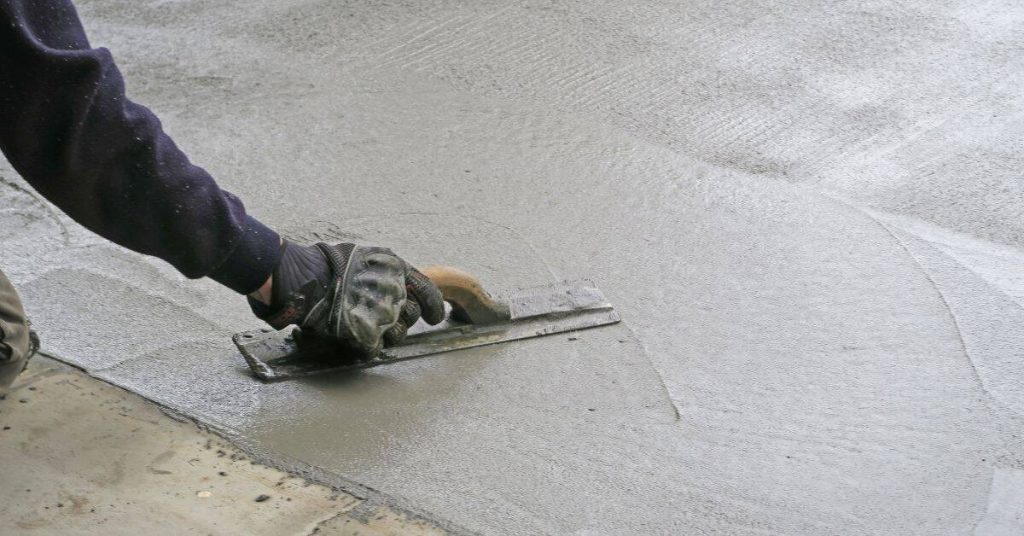
Hand smoothing freshly poured concrete slab with trowel

Evaporation Rate 101 for Fresh Concrete: Wind, Sun, and How to Protect the Surface

Introduction Evaporation rate for fresh concrete is how fast water leaves the surface and it controls how the concrete sets and gains strength. In plain jobsite terms, wind and sun speed that drying, while cool, still air slows it; check product labels and local rules for any specific limits you must follow. A fast evaporation

Evaporation Rate 101 for Fresh Concrete: Wind, Sun, and How to Protect the Surface Read More »

Damaged stucco with blue reinforcing mesh exposed

Repairing Stucco Soffits: Gravity, Fasteners, and Crack-Resistant Mesh Layout

Introduction Repairing stucco soffits means fixing the underside of eaves where stucco has cracked, sagged, or pulled away using proper support, fasteners, and mesh so the repair resists gravity and future movement. Start by assessing the damage and plan how gravity fasteners and mesh will transfer loads back to solid framing; check product labels and

Repairing Stucco Soffits: Gravity, Fasteners, and Crack-Resistant Mesh Layout Read More »

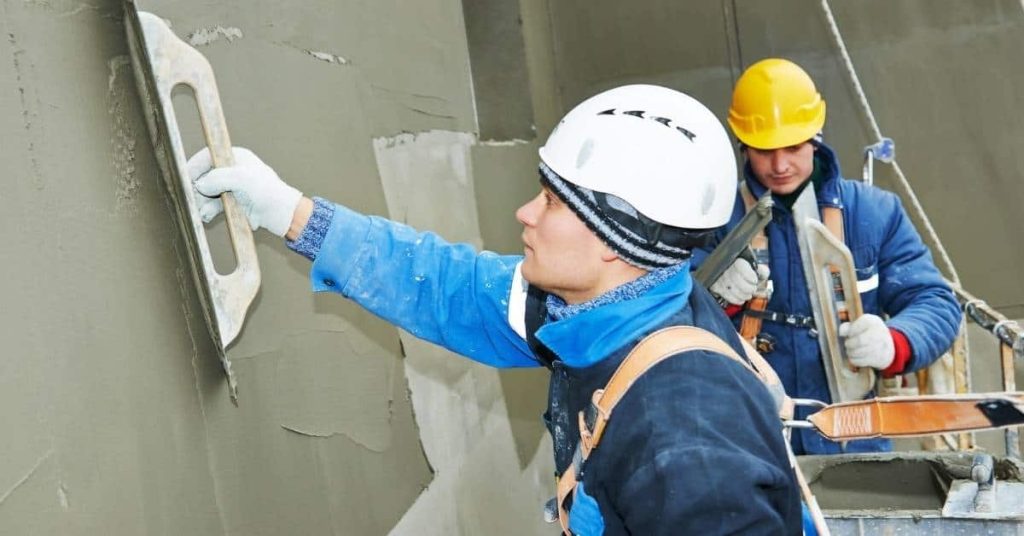
Two construction workers applying stucco to exterior wall

Dash Finish Stucco Repair: Getting Consistent Throw Without Overbuilding Thickness

Introduction Dash finish stucco repair means rethrowing a coarse mix so it keys to the patch without building the wall thickness beyond the original surface. Think of it as matching texture by controlling how far and thick each throw lands rather than piling on extra material. Check product labels and local practices for compatible scratch/base

Dash Finish Stucco Repair: Getting Consistent Throw Without Overbuilding Thickness Read More »

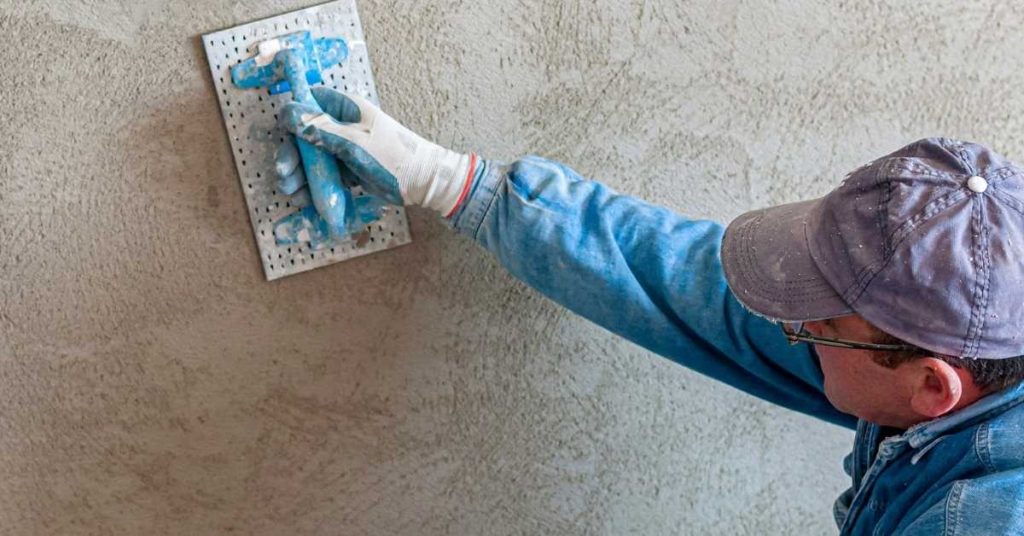
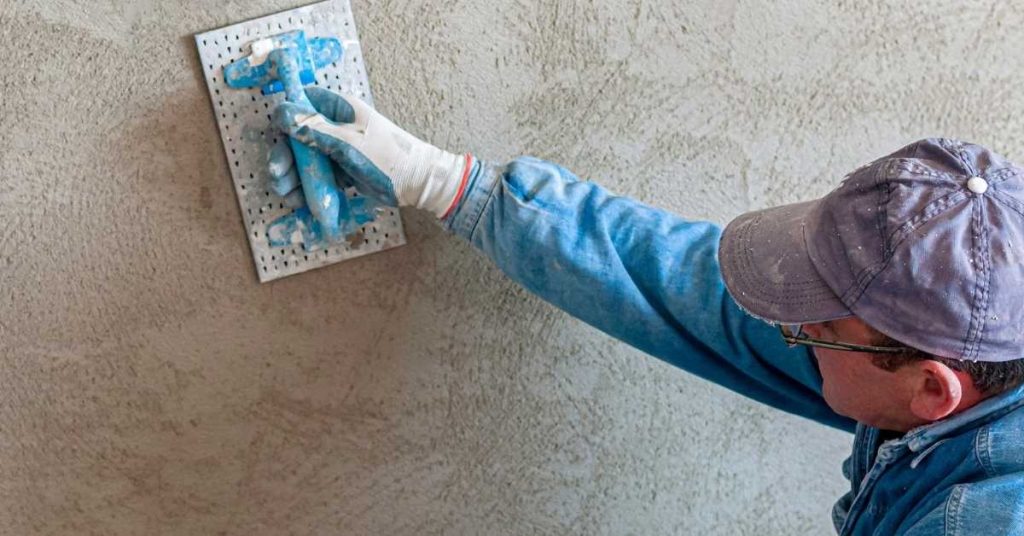
Person applying skip-trowel stucco texture with trowel

Matching Lace and Skip-Trowel Stucco: Hand Techniques That Hide Patch Edges

Introduction Matching lace and skip-trowel stucco means using hand tools and mixing consistency to recreate the same rhythm of bumps and voids so patch edges disappear into the existing wall. I’ll describe the basic hand techniques, the common tools and materials you’ll need, and what to watch for so the repair blends instead of standing

Matching Lace and Skip-Trowel Stucco: Hand Techniques That Hide Patch Edges Read More »

Close-up of weathered pink stucco wall texture

Making Stucco Sample Boards: Test Panels That Predict Color and Texture

Introduction Making stucco sample boards means applying small, finished panels that show how a specific mix, color, and texture will look on the real wall. These test panels let you see drying color shifts, surface texture, and how the base and finish layers interact before you commit to the whole job. Keep the process hands-on:

Making Stucco Sample Boards: Test Panels That Predict Color and Texture Read More »

Close-up of beige textured stucco wall surface

Stucco Color Coat Touch-Ups: Why They Flash and How to Blend Better

Introduction Stucco color coat touch-ups flash when the new skim or color coat reflects light differently than the existing finish—usually due to differences in mix, texture, moisture, or application method. In plain jobsite terms, that means the patched area looks brighter, duller, or a different sheen because something about how it was mixed or applied

Stucco Color Coat Touch-Ups: Why They Flash and How to Blend Better Read More »