Search Results for: finishing

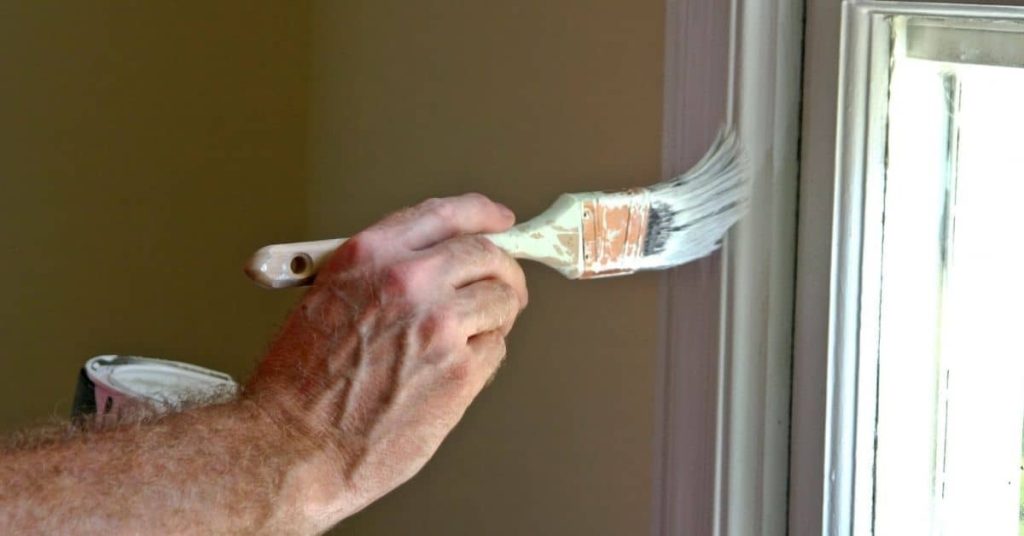
Hand painting white trim near window with brush

Painting PVC Trim: Scuff, Solvent Wipe, and Topcoats That Stay Flexible

Introduction Painting PVC trim means preparing the surface so paint sticks and stays flexible enough to move with the plastic; that starts with scuffing, a solvent wipe, and using the right flexible topcoat. This is a hands-on sequence more like sanding, cleaning, and choosing paints than a chemistry test, but check product labels for adhesion […]

Painting PVC Trim: Scuff, Solvent Wipe, and Topcoats That Stay Flexible Read More »

Close-up of pine wood planks with knots and grain patterns

Priming ‘Problem Woods’: Knots, Sap, and Pitch Bleed in Pine and Cedar

Introduction Priming “problem woods” means using the right sealer or primer and prep so knots, sap, and pitch in pine and cedar don’t bleed through your finish. In plain terms: clean, sand, spot-treat bleeding areas, then use a primer compatible with the topcoat and with stain-blocking properties; check the product label and manufacturer’s instructions for

Priming ‘Problem Woods’: Knots, Sap, and Pitch Bleed in Pine and Cedar Read More »

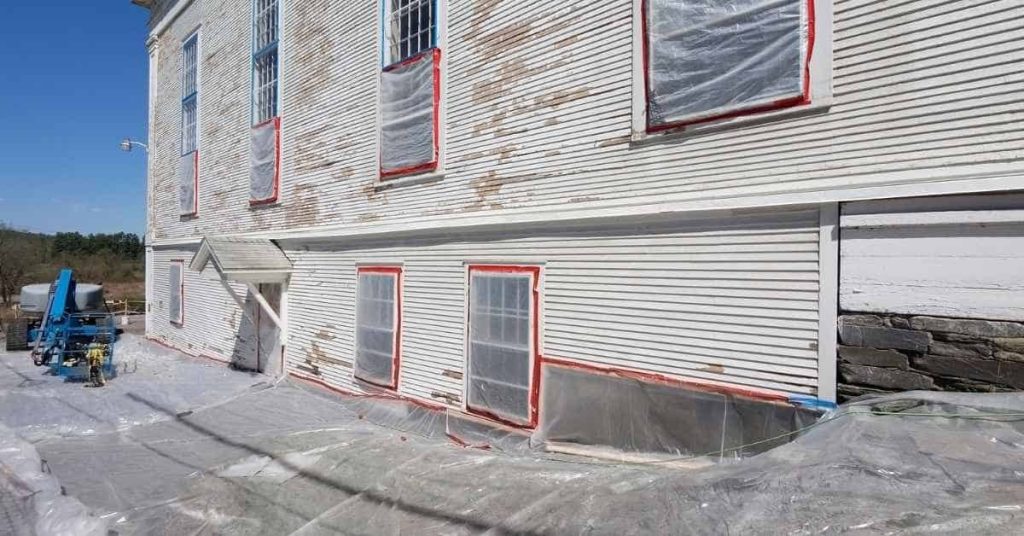
House exterior with windows covered in plastic sheeting and taped edges

Masking Plastic vs Paper: Overspray Control Without Static Dust Problems

Introduction Masking plastic vs paper is about choosing the right sheet for catching overspray while avoiding static-attracted dust — plastic resists moisture and makes a light, slippery barrier, while paper lays down with less static so dust won’t cling as much. Think of plastic for areas that need water resistance and containment, and paper for

Masking Plastic vs Paper: Overspray Control Without Static Dust Problems Read More »

Man working on pool deck installation using tools and safety glasses

Painting Pool Decks: Slip Resistance, Chlorine, and Cool-Deck Options

Introduction Painting pool decks means choosing a coating that resists slipping, stands up to chlorine and pool chemicals, and stays cooler underfoot; it’s a practical surface upgrade, not a decorative paint job. Think about slip additives, chemical resistance, and reflective or “cool” coatings when you pick products, and always check the label and manufacturer instructions

Painting Pool Decks: Slip Resistance, Chlorine, and Cool-Deck Options Read More »

Three paintbrushes and one paint roller on yellow background

How to Paint Stairs for Grip: Additives, Abrasion Resistance, and Maintenance

Introduction Painting stairs for grip means using paint and additives that improve traction and hold up to foot traffic while keeping the surface safe and durable. This is a hands-on job: pick the right paint for the stair material, choose a compatible anti-slip additive or aggregate, and follow the product directions and local rules for

How to Paint Stairs for Grip: Additives, Abrasion Resistance, and Maintenance Read More »

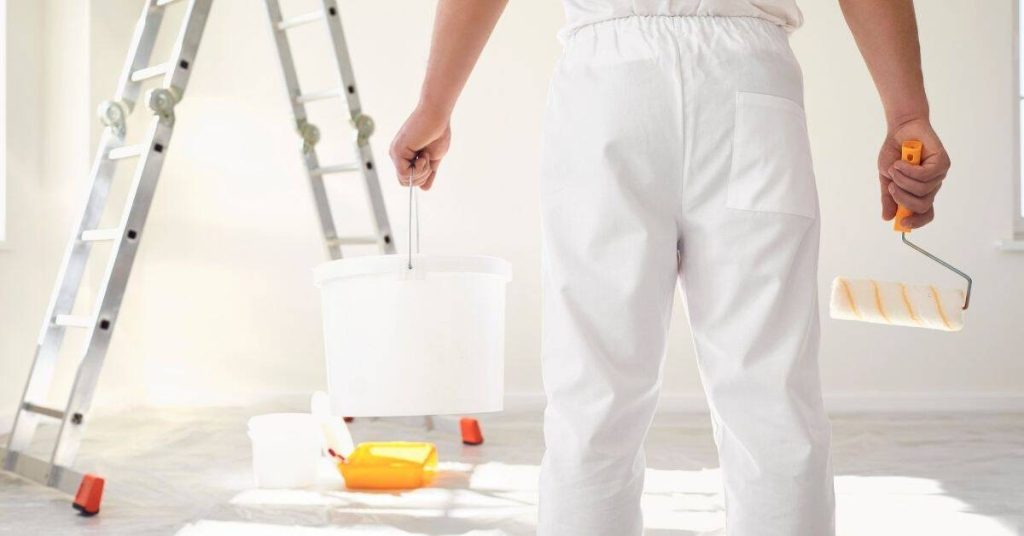
Person in white clothes holding paint roller and bucket near ladder

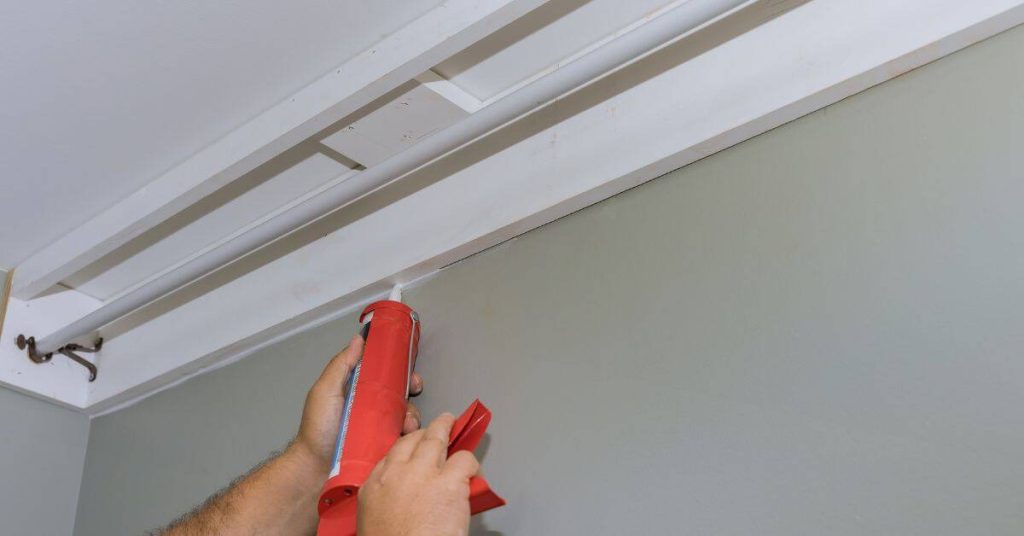
Painter’s Tape Alternatives: Liquid mask, edge sealers, and when they beat tape

Introduction Painter’s tape alternatives are products and techniques—like liquid masking, edge sealers, and specialty sealants—that block paint or create clean edges where tape isn’t ideal. They work best on irregular surfaces, tight curves, or when tape would lift or leave residue, but check the product label and manufacturer instructions for surface compatibility and drying time.

Painter’s Tape Alternatives: Liquid mask, edge sealers, and when they beat tape Read More »

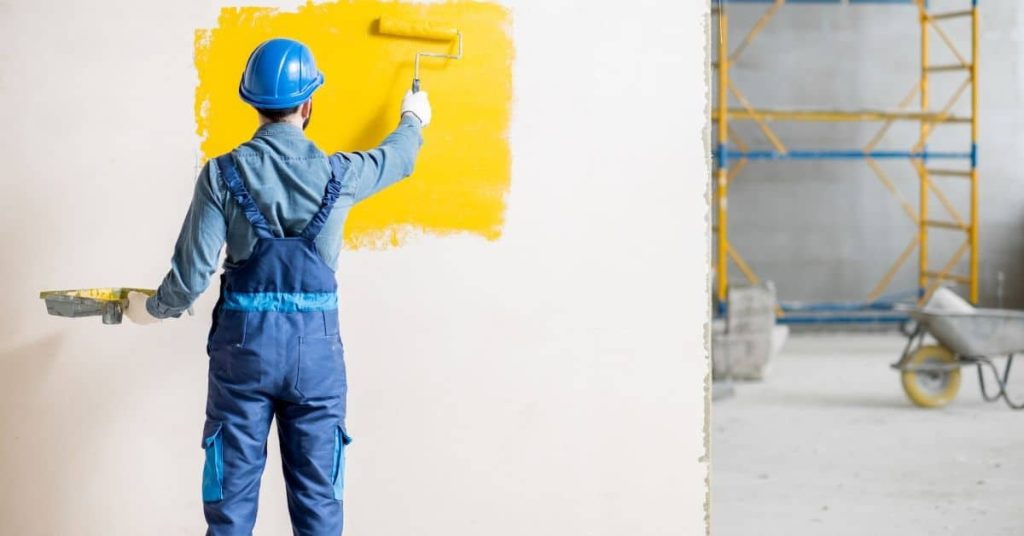
Worker painting wall yellow with roller wearing hard hat

Choosing a Respirator for Painting: Cartridge Types and Real-World Fit Checks

Introduction Choosing a respirator for painting means picking the right cartridge type for the materials you’re using and making sure the mask actually seals to your face. Cartridges filter different hazards so check the paint product labels and the cartridge manufacturer instructions to match the cartridge to the solvents or particulates you’ll encounter. For DIY

Choosing a Respirator for Painting: Cartridge Types and Real-World Fit Checks Read More »

Worker smoothing wet plaster on a gray interior wall

How to Create a Zero-Lap-Mark Wall: Section Planning and Keeping a True Wet Edge

Introduction A zero-lap-mark wall is a layout and pour technique that keeps your fresh plaster or skimcoat from drying in visible steps where new material meets old. It means planning your sections and timing so each pass blends into the next while the edge is still workable. This is a hands-on job that needs steady

How to Create a Zero-Lap-Mark Wall: Section Planning and Keeping a True Wet Edge Read More »