Search Results for: finishing

Person applying plaster over blue mesh on wall

Reinforcing Plaster at Material Transitions: Mesh Choices That Don’t Telegraphed Through

Introduction Reinforcing plaster at material transitions means embedding the right type of mesh or alternative so the joint won’t crack or show through once the plaster dries. Pick a mesh compatible with your plaster and substrate and follow the product label and common-sense joint detailing to avoid telegraphing. If you’re unsure which mesh to use, […]

Reinforcing Plaster at Material Transitions: Mesh Choices That Don’t Telegraphed Through Read More »
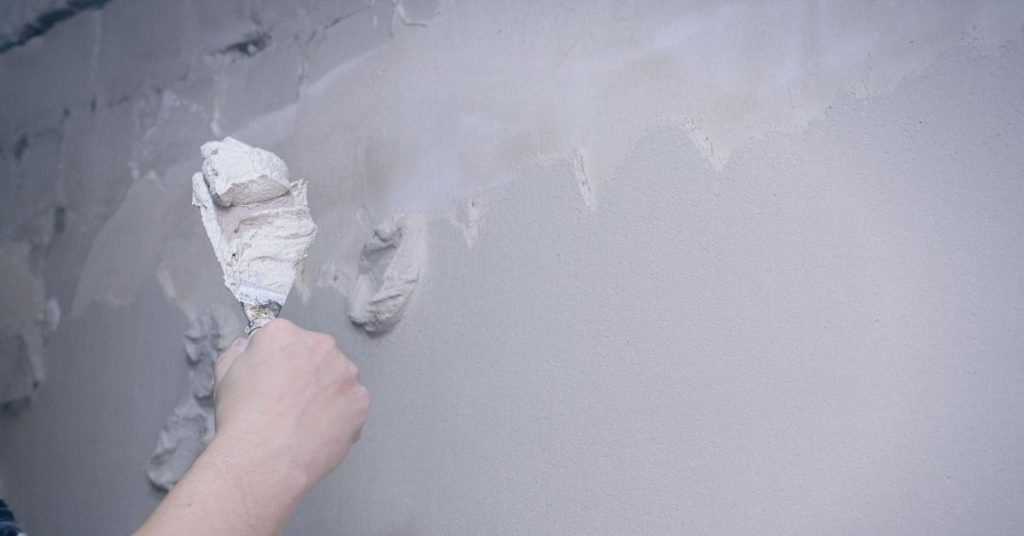
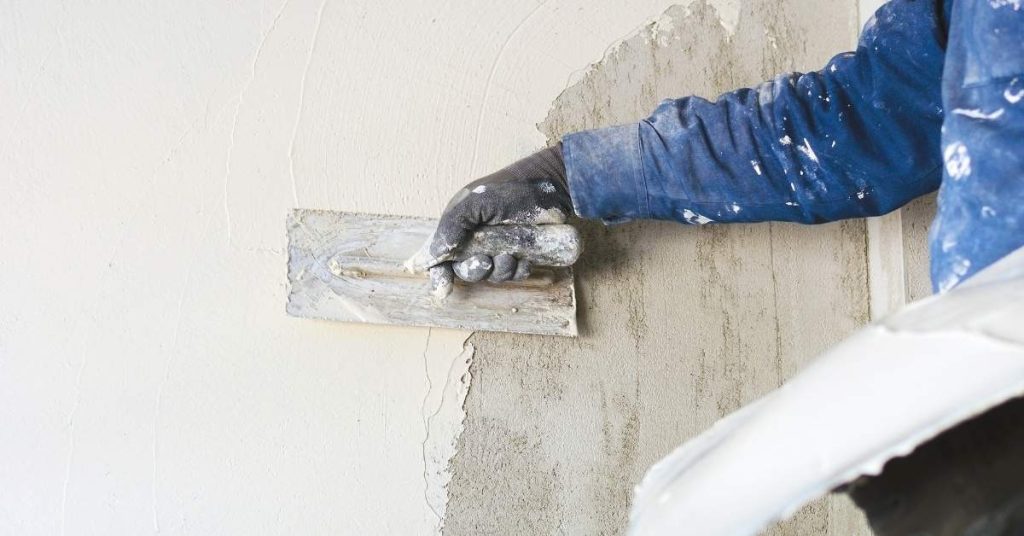
Hand applying plaster to wall with trowel tool

Plaster Delamination ‘Bubbles’: Cutback Rules and How to Reattach Without Big Tear-Out

Introduction Plaster delamination “bubbles” are areas where the top plaster coat has lost adhesion to the substrate and forms a raised blister that can pop or tear back. This usually means moisture, weak bonding, or movement has separated layers; check the surface and product instructions to confirm causes before you act. In many cases you

Plaster Delamination ‘Bubbles’: Cutback Rules and How to Reattach Without Big Tear-Out Read More »

Hand applying plaster to wall with trowel

Veneer Plaster Repairs: Feathering, Timing, and Avoiding Hollow Spots

Introduction Veneer plaster repairs are the process of fixing damaged plaster by feathering new material into the old so the wall looks continuous and solid. This means assessing whether the existing veneer is well-bonded, cleaning and wetting the surface, and choosing a compatible patching mix and bonding method. I’ll focus on practical steps you can

Veneer Plaster Repairs: Feathering, Timing, and Avoiding Hollow Spots Read More »

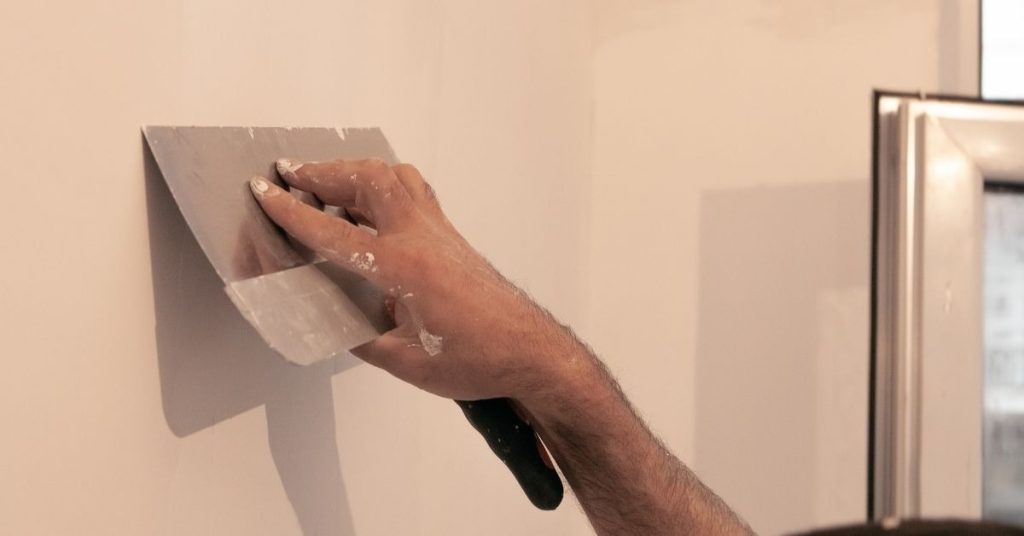
Hand applying plaster smoothing wall with trowel

Plaster Over Blueboard: When Veneer Plaster Beats Joint Compound for Smooth Walls

Introduction Plaster over blueboard means applying a veneer plaster finish bonded to the paper-faced gypsum board rather than feathering multiple coats of joint compound; it’s a different material and technique used when a harder, smoother surface is wanted. Veneer plaster generally requires cleaner, keyed surfaces and different tools than joint compound, so check product instructions

Plaster Over Blueboard: When Veneer Plaster Beats Joint Compound for Smooth Walls Read More »

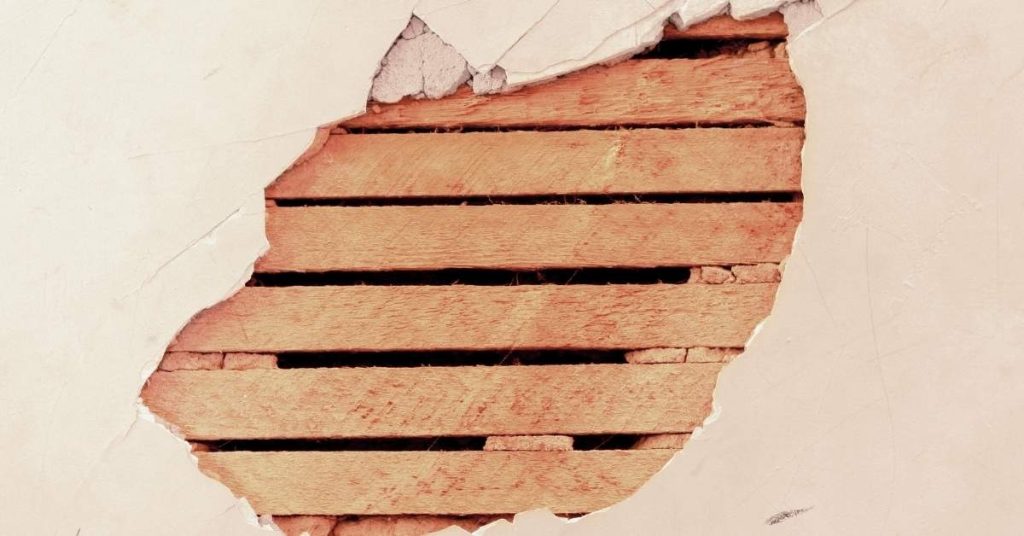
Wooden lath exposed through broken plaster wall

Plaster Key Failure on Wood Lath: Diagnosing, Re-Keying, and When to Add Mesh

Introduction Plaster key failure on wood lath happens when the plaster pulls away from or loses grip on the lath, leaving loose or hollow areas that will crack or fall out. This write-up shows practical ways to diagnose where keys failed, how to re-key small patches, and when adding mesh or repairing lath is the

Plaster Key Failure on Wood Lath: Diagnosing, Re-Keying, and When to Add Mesh Read More »

Worker smoothing plaster on wall with trowel

Gauging Plaster for Lime Work: Ratios, Set Control, and When to Skip It

Introduction Gauging plaster for lime work means mixing lime, sand, and any additives in the right proportions to control strength and set time so the plaster behaves predictably. Think of it like tuning a recipe: adjust the lime-to-sand ratio and set retarders or accelerators to match your wall, weather, and skill level; check product labels

Gauging Plaster for Lime Work: Ratios, Set Control, and When to Skip It Read More »

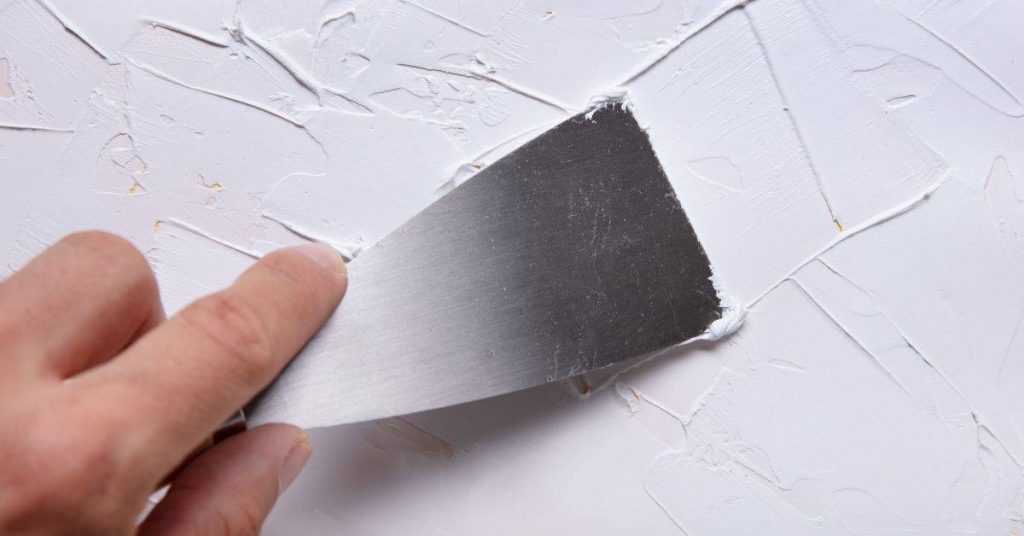
Hand applying white plaster with putty knife

How to Choose Lime Putty vs Hydrated Lime for Plaster: Workability and Strength Differences

Introduction Lime putty is hydrated lime that has been slaked and aged into a smooth, creamy paste, while hydrated lime (powder) is the dry product you mix on site; putty gives a softer, more workable mortar and powder is quicker to store and use. For a DIY plaster job, choose putty when you want long

How to Choose Lime Putty vs Hydrated Lime for Plaster: Workability and Strength Differences Read More »

Worker applying stucco around windows with protective coverings

Stucco at Window Sills: Drip Edges, End Dams, and How to Stop Staining Below

Introduction Stucco at window sills is the way the exterior plaster and the window flashing work together to shed water away from the opening; a proper setup keeps water off the wall below and prevents staining. In practice that means installing a flashinged sill, a drip edge or kerf, and end dams where the stucco

Stucco at Window Sills: Drip Edges, End Dams, and How to Stop Staining Below Read More »

Hand holding spray gun applying paint in mist

HVLP vs Airless vs Conventional Sprayers: Picking the Right System for DIY Durability

Introduction HVLP, airless, and conventional sprayers are three different ways to apply paint or finish, each defined by how they break up and deliver the material to the surface. Pick HVLP when you want low overspray and fine control, airless for fast coverage and thicker materials, and conventional if you need a middle ground with

HVLP vs Airless vs Conventional Sprayers: Picking the Right System for DIY Durability Read More »

Hand smoothing plaster on wall with trowel

Polished Lime Plaster in Wet Areas: What ‘Waterproof’ Really Means and Safe Details

Introduction Polished lime plaster in wet areas is not automatically waterproof; it’s a breathable finish that can resist splashes when detailed and sealed correctly. In practice that means treating the wall system—substrate, cement backer, membranes, and sealers—as a complete assembly rather than relying on the lime plaster alone. Check product labels and manufacturer instructions for

Polished Lime Plaster in Wet Areas: What ‘Waterproof’ Really Means and Safe Details Read More »