Search Results for: finishing

Stone column bases and brick wall with light reflections

Brick Chimney Crown Repairs: Why Crowns Crack and How to Form Better Ones

Introduction A brick chimney crown is the concrete cap that sits on top of a brick chimney and keeps water out. Cracks show that the crown is failing and needs attention to prevent water damage. In this DIY guide, you’ll learn a practical, hands-on approach to inspecting, preparing, and forming a better crown. Always check […]

Brick Chimney Crown Repairs: Why Crowns Crack and How to Form Better Ones Read More »
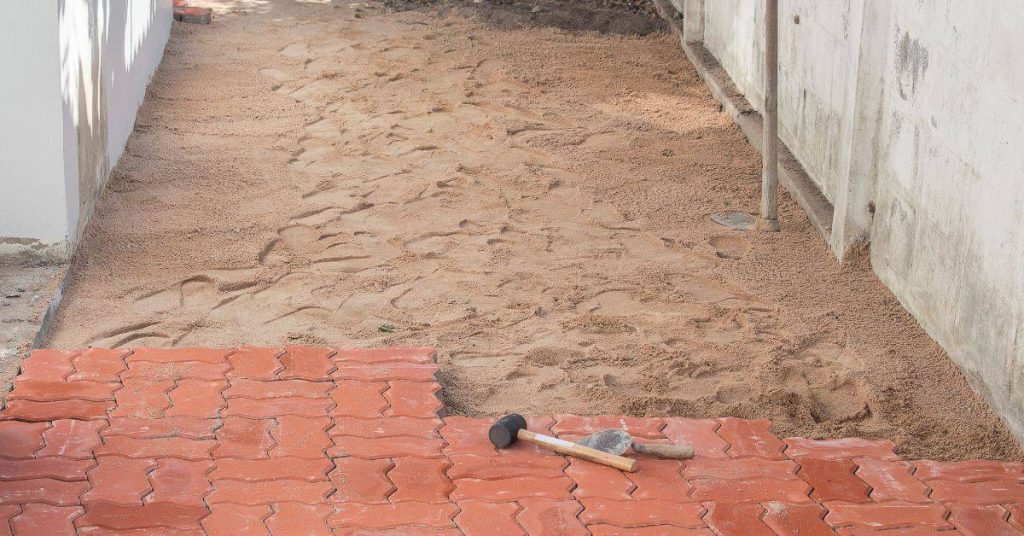
Partially laid red brick pavers with sand base and tools

Rebuilding Loose Brick Steps: When to Reset vs Rebuild (and how to prep the base)

Introduction Resetting loose brick steps means stabilizing the stairs by cleaning the base, re-seating the bricks, and securing them so the steps are solid again. This article walks you through deciding when to reset versus rebuild and how to prep the base. You’ll find practical, hands-on tips for a DIY job without fancy gear. Start

Rebuilding Loose Brick Steps: When to Reset vs Rebuild (and how to prep the base) Read More »

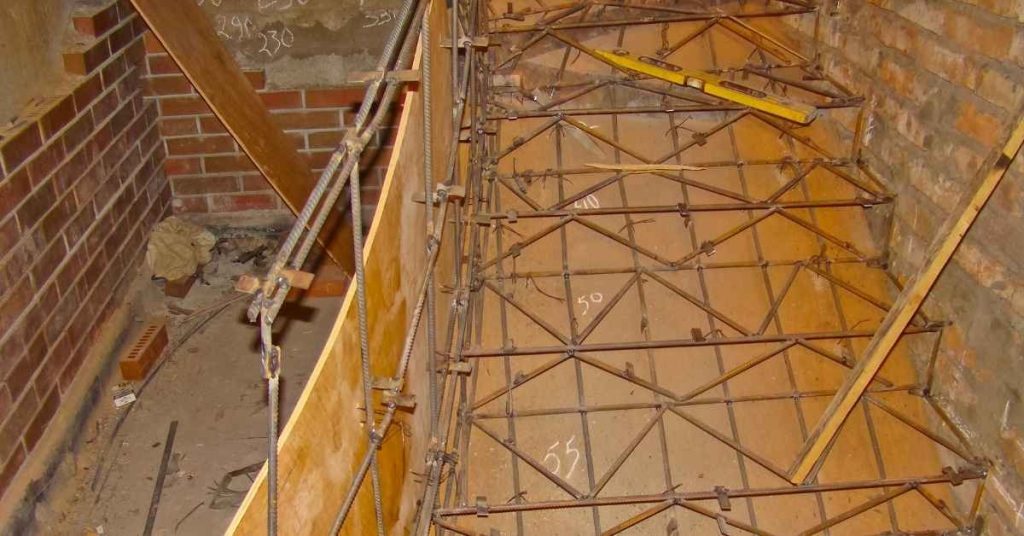
Steel rebar framework assembled inside wooden concrete formwork

Rebar Cover in Concrete for Small Pours: Chairs, Spacers, and Keeping Steel Centered

Introduction Rebar cover in concrete for small pours means placing steel reinforcing bars with a protective concrete layer to prevent moisture and corrosion. Work safely by understanding basic rebar handling, clean space, and proper cutting and tying practices. Always check local rules and manufacturer instructions for any required clearances or protection. Chairs and spacers are

Rebar Cover in Concrete for Small Pours: Chairs, Spacers, and Keeping Steel Centered Read More »

curved brick paver pathway with stone wall and landscaping

Brick Paver Edging That Won’t Spread: Restraints, Bedding, and Joint Choices

Introduction Edging that won’t spread is a border for brick paver layouts that stays in place and keeps the line looking sharp. Getting it right means using sturdy restraints, a solid bedding layer, and properly selected joints. Always check the product label and local rules for any installation limits that apply to your area. Choose

Brick Paver Edging That Won’t Spread: Restraints, Bedding, and Joint Choices Read More »

Close-up of gas-powered cutting saw blade in front of red truck

Cutting Brick Pavers Cleanly: Blades, Chipping Control, and Dust Safety

Introduction Cutting brick pavers cleanly means using the right blade and technique to produce straight, square cuts with minimal chipping. Choose a blade rated for masonry and masonry-specific cutting, and align your cut with the paver face for a clean edge. Take your time to steady the paver and clamp it, then make a shallow

Cutting Brick Pavers Cleanly: Blades, Chipping Control, and Dust Safety Read More »

Black painted brick wall with uneven paint coverage

Interior Painted Brick Done Right: Bond Tests, Primers, and Bleed-Through Fixes

Introduction Interior painted brick means coating interior brick walls with paint using proper prep to ensure adhesion and durability. This article covers how to test for good bond, what primers to use, and how to fix bleed-through in plain, hands-on terms. You’ll find practical steps you can follow on a DIY job site and what

Interior Painted Brick Done Right: Bond Tests, Primers, and Bleed-Through Fixes Read More »

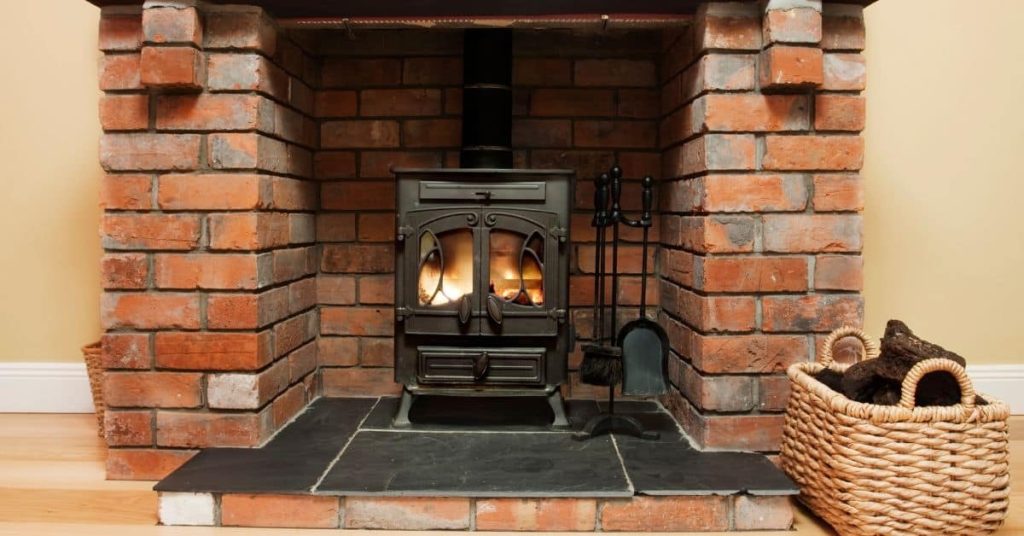
Black wood stove inside brick fireplace with fire tools and basket

Cleaning Fireplace Soot on Brick: Dry Methods First, Chemistry Second

Introduction Dry methods use physical brushing and vacuuming to lift soot from brick before any chemical cleaners. Start with the gentlest approach and work carefully to avoid staining. Move in small sections and wipe or vacuum away loosened soot as you go. If stubborn soot remains after dry work, you can consider a basic cleaner

Cleaning Fireplace Soot on Brick: Dry Methods First, Chemistry Second Read More »

Red brick house exterior with white trim and black front door

Preventing Efflorescence on New Brick: Water Sources, Curing, and Best Practices

Introduction Efflorescence on new brick is the chalky salt bloom that appears when water moves soluble minerals to the surface. Water sources and timing of curing drive whether the surface shows that bloom. In practice, keep moisture low during cure and protect fresh brick from excessive rain or splash, then allow it to dry out

Preventing Efflorescence on New Brick: Water Sources, Curing, and Best Practices Read More »

Construction worker cutting joint in brick wall outdoors

Movement Joints in Long Brick Walls: Spacing, Backer Rod, and Tooling Tips

Introduction Movement joints in long brick walls relieve stress from expansion and contraction. They are intentional gaps that let the wall flex without cracking. When you plan the joints, follow the manufacturer’s guidance and local rules, and choose backer rod and sealant accordingly. Use proper tooling by cleaning joints, applying backing, and smoothing with the

Movement Joints in Long Brick Walls: Spacing, Backer Rod, and Tooling Tips Read More »

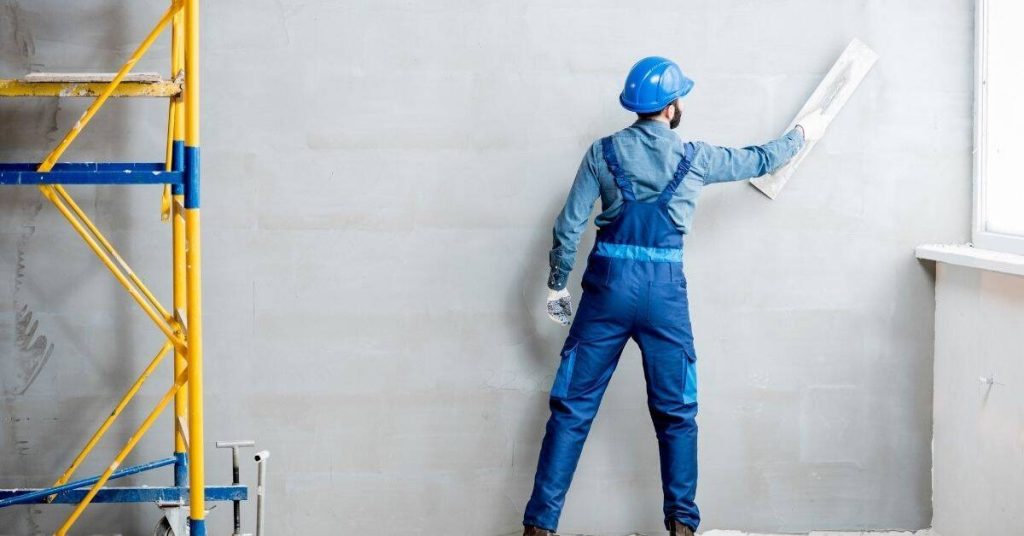
Worker smoothing plaster wall with trowel near scaffold

Hanging Heavy Objects on Plaster: Toggles, Backing, and Safer Load Paths

Introduction Hanging heavy objects on plaster requires proper backing and safe load paths. Drilling through plaster without a backing can crack the wall, so you need an anchor plan that holds. Always follow the hardware manufacturer’s instructions for plaster surfaces. Begin by locating solid backing or using toggles and backing material designed for plaster. Plan

Hanging Heavy Objects on Plaster: Toggles, Backing, and Safer Load Paths Read More »