Search Results for: epoxy floor for home

Fix Uneven Concrete Slabs: When to Grind, When to Overlay, When to Replace

Fix Uneven Concrete Slabs: When to Grind, When to Overlay, When to Replace

Introduction Grind uneven concrete when the surface has shallow ridges, overlay when the slab is sound but worn, and replace when structural issues are evident. The guide helps you assess condition and decide, with practical steps to choose the right method for durability and value. You’ll learn how to evaluate flatness, cracks, and load needs […]

Fix Uneven Concrete Slabs: When to Grind, When to Overlay, When to Replace Read More »
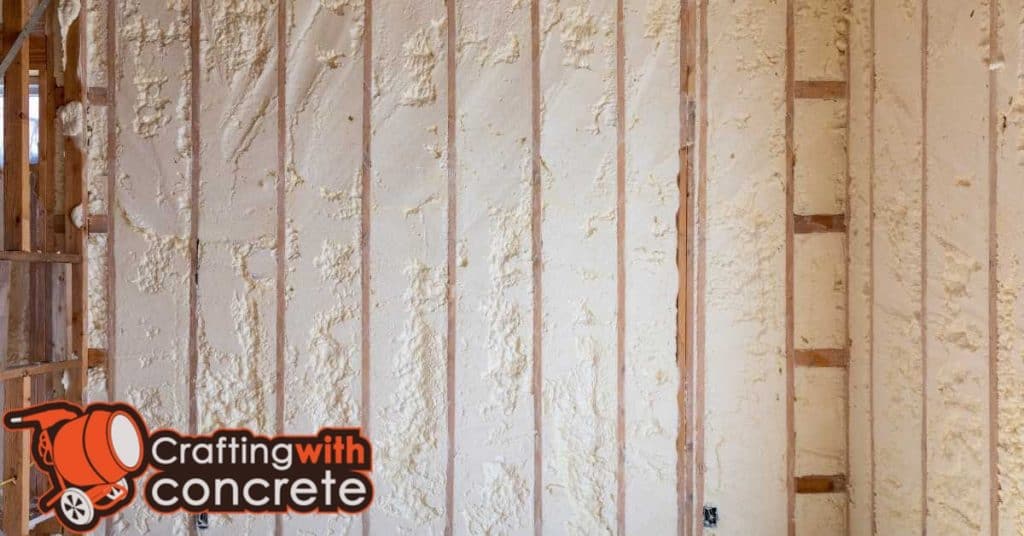
Repairing Concrete After Spray Foam Removal: Patch, Grind, and Prep Steps for a Smooth Finish

Repairing Concrete After Spray Foam Removal: Patch, Grind, and Prep Steps for a Smooth Finish

Introduction Repairing concrete after spray foam removal involves patching damaged spots, grinding to a smooth profile, and properly prepping the surface for a uniform finish. This guide explains practical steps, tips, and everyday best practices you can apply to achieve a seamless repair that accepts paint or coatings. Key takeaways Assess adhesive remnants and unsound

Repairing Concrete After Spray Foam Removal: Patch, Grind, and Prep Steps for a Smooth Finish Read More »

How to Remove Cured Spray Foam from Concrete and Masonry Surfaces Without Damaging Them

How to Remove Cured Spray Foam from Concrete and Masonry Surfaces Without Damaging Them

Introduction Cured spray foam can be removed from concrete and masonry without damaging the surface. The guide walks you through practical methods, safety considerations, and cautious techniques to loosen, lift, and clean the foam while protecting the substrate. You’ll learn how to assess the foam, choose appropriate approaches, and apply a step-by-step process that reduces

How to Remove Cured Spray Foam from Concrete and Masonry Surfaces Without Damaging Them Read More »

Understanding Spray Foam Insulation and Why Removal Is Needed

Understanding Spray Foam Insulation and Why Removal Is Needed

Introduction Removal is needed when spray foam insulation is damaged or causing moisture, mold, or air-quality issues. You’ll learn how to assess signs of trouble, choose safe removal approaches, and plan for effective post-removal insulation improvements. Key takeaways Identify spray foam types (open-cell vs. closed-cell) and their R-values. Assess health risks and required PPE before

Understanding Spray Foam Insulation and Why Removal Is Needed Read More »

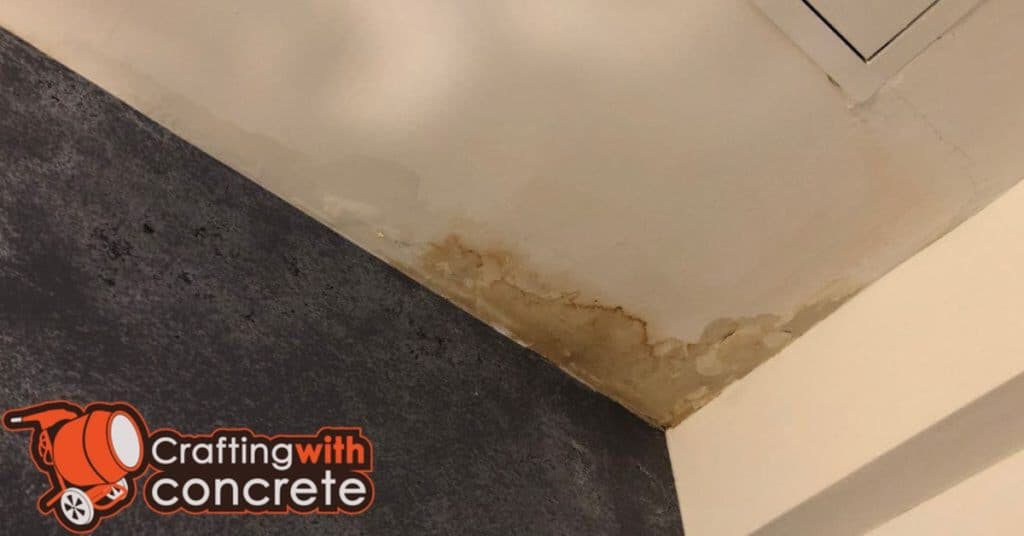
Step-by-Step: Performing a Diy Moisture Scan Around Windows and Flashing in Stucco Walls

Step-by-Step: Performing a Diy Moisture Scan Around Windows and Flashing in Stucco Walls

Introduction You can perform a DIY moisture scan around windows and flashing in stucco walls to detect hidden moisture. The guide walks through practical steps, safety tips, and common signs of water intrusion, so you’ll learn how to inspect flashing, assess the condition around window openings, and understand what actions to take to protect the

Step-by-Step: Performing a Diy Moisture Scan Around Windows and Flashing in Stucco Walls Read More »

How to Use a Pinless Moisture Meter to Find Hidden Water in Stucco and Eifs

How to Use a Pinless Moisture Meter to Find Hidden Water in Stucco and Eifs

Table of Contents What is a pinless (non‑invasive) moisture meter? When to use pinless vs. pin/probe meters and moisture scanners Tools, gear, and prep checklist for safe EIFS/stucco moisture scans Step‑by‑step scanning technique for stucco and EIFS Interpreting readings: thresholds, relative values, and common confounders Confirming suspect readings and avoiding false positives Common user errors,

How to Use a Pinless Moisture Meter to Find Hidden Water in Stucco and Eifs Read More »

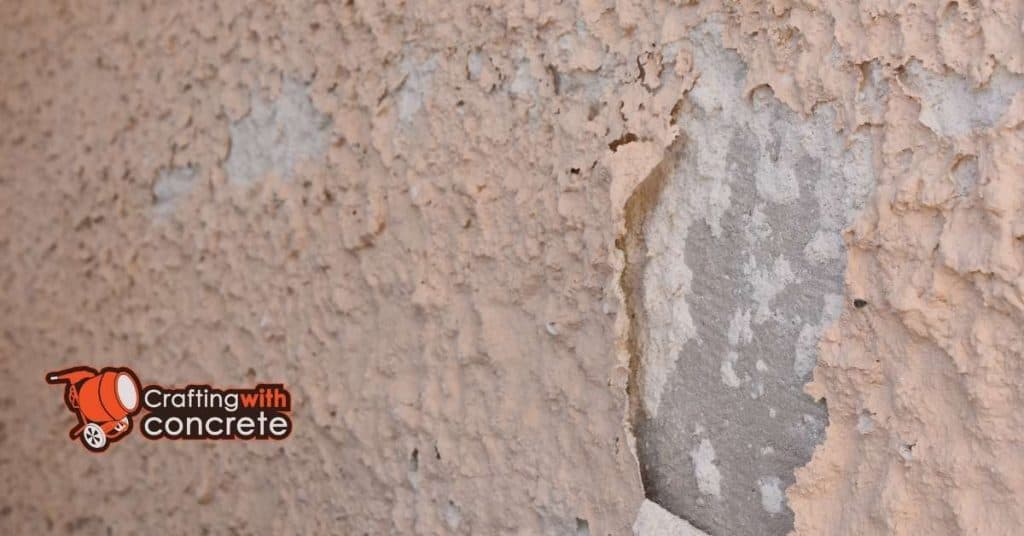
How to Spot Hidden Moisture in Stucco with a Simple Meter

How to Spot Hidden Moisture in Stucco with a Simple Meter

Table of Contents Why hidden moisture in stucco and EIFS matters Quick overview of moisture meters: pin, pinless, and combo Choosing a single, affordable meter for DIY stucco checks When to test: timing and triggers Where to test on stucco and EIFS — high-risk zones Pre-inspection visual checklist Step-by-step scanning workflow using one simple meter

How to Spot Hidden Moisture in Stucco with a Simple Meter Read More »

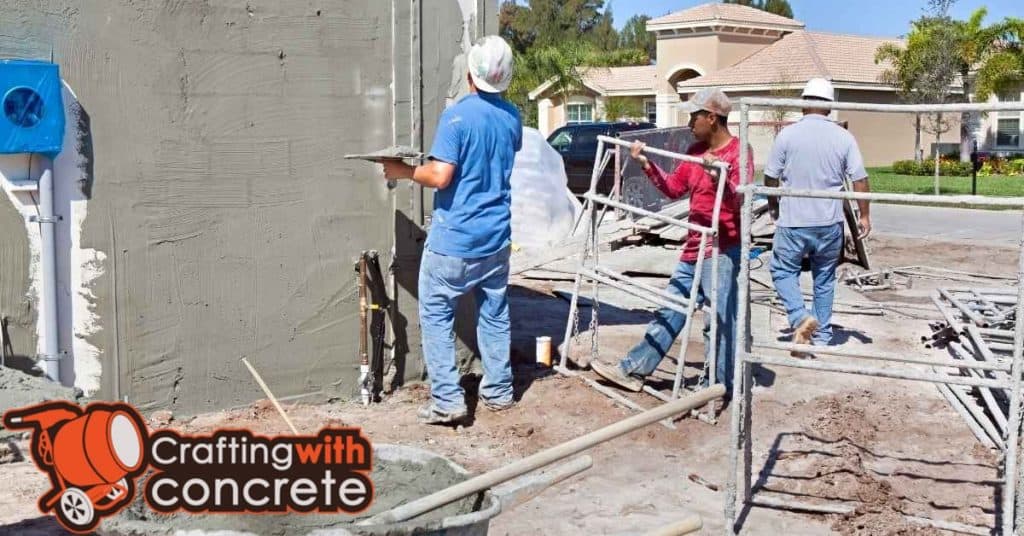
Using Butyl Tape Behind Exterior Fixtures in Stucco

Using Butyl Tape Behind Exterior Fixtures in Stucco

Table of Contents What is Butyl Tape and Why Use It on Stucco Types, Sizes, and Product Selection When to Use Butyl Tape vs. Caulk, Flashing, or Mechanical Seals Materials, Tools, and Safety Considerations Preparing Stucco and Fixture Surfaces Step-by-Step Installation for Common Exterior Fixtures Sealing Techniques for Wires, Conduits, and Small Penetrations Common Mistakes,

Using Butyl Tape Behind Exterior Fixtures in Stucco Read More »

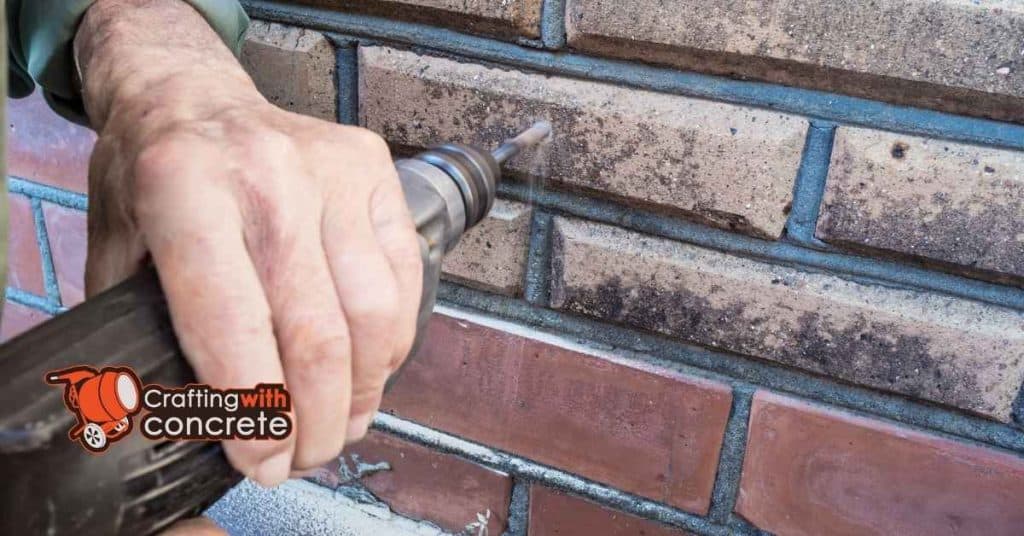
Anchorage in Old Brick—Safe Methods and Cautions

Anchorage in Old Brick—Safe Methods and Cautions

Table of Contents Overview and Purpose Assessing Brick & Mortar Condition Brick Types and Their Implications Mortar Joint Characteristics and Risks Anchor Types—Overview Choosing the Right Anchor Load Types and Calculations Drill Bits, Hole Preparation, and Cleaning Installing Mechanical Anchors (Step-by-Step) Installing Chemical (Adhesive) Anchors (Step-by-Step) Anchoring into Hollow Brick and Cavity Walls Anchorage for

Anchorage in Old Brick—Safe Methods and Cautions Read More »

Repairing Broom Finish in Concrete After a Bad Pass

Repairing Broom Finish in Concrete After a Bad Pass

Table of Contents Quick Triage — Is Repair Possible or Is a Re-pour Needed? Common Causes of a Bad Broom Pass Tools, Materials and Safety Before Repair Surface Preparation and Timing for Repairs Repair Methods — Step-by-Step Procedures Matching and Recreating Broom Texture Finishing, Curing and Sealing After Repair Quality Acceptance, Documentation and Communication Preventative

Repairing Broom Finish in Concrete After a Bad Pass Read More »