Search Results for: epoxy floor coatings contractors

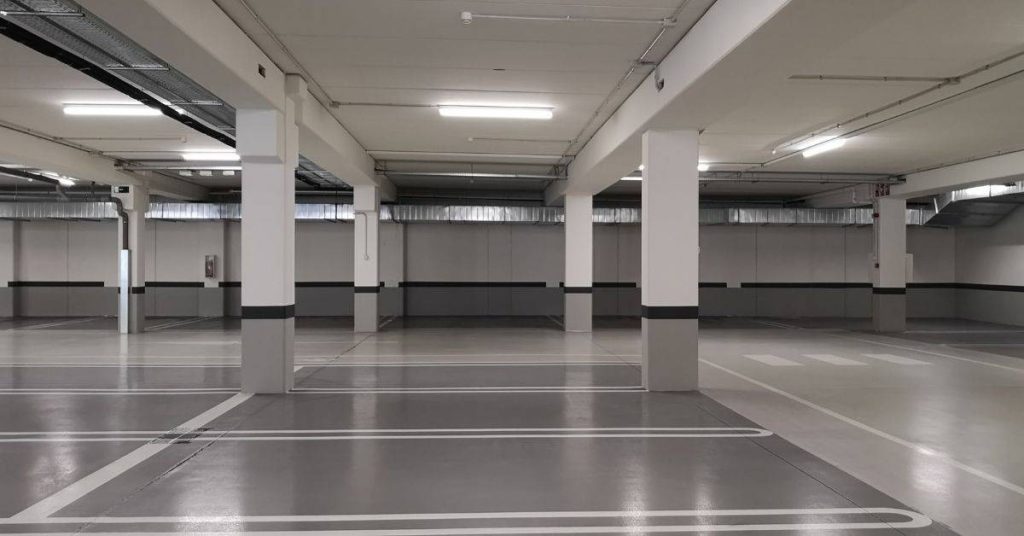
Empty indoor concrete parking garage floor with white lines

Fixing an Acid-Etched Concrete Garage Floor: Neutralize, Profile, and Recoat Systems

Introduction This article explains how to neutralize an acid-etched concrete garage floor and prepare it for a new coating. You’ll compare surface preparation methods like acid etching versus mechanical grinding and pick the approach that fits your space and budget. Always verify what your chosen method requires by reading the product instructions and your local […]

Fixing an Acid-Etched Concrete Garage Floor: Neutralize, Profile, and Recoat Systems Read More »
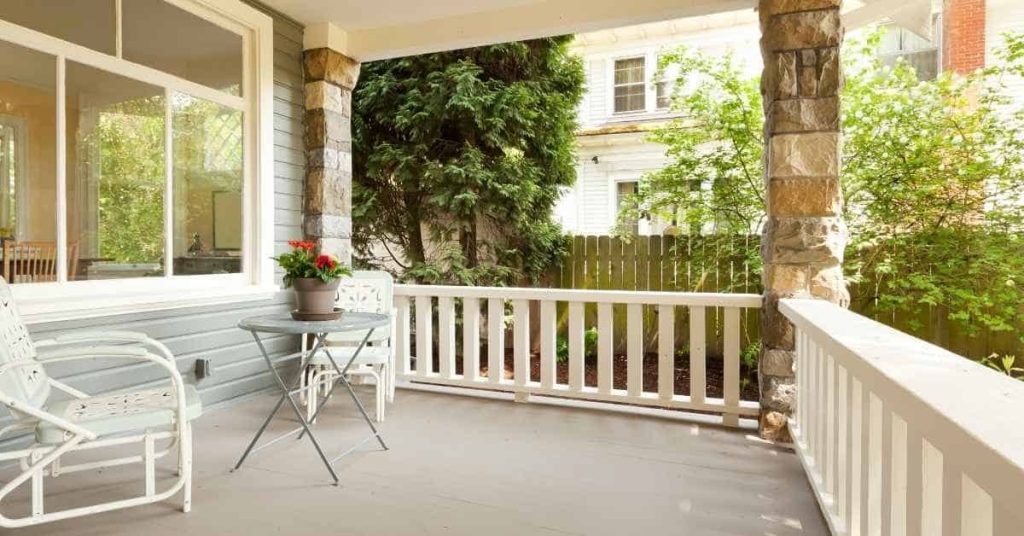
painted concrete porch floor with chairs and small table

Concrete Floor Paint Blistering Months Later: Vapor Drive vs Cleaning Residues

Introduction Blistering on a finished concrete floor is when paint bubbles and lifts away months after you painted. Two common culprits are vapor drive from the slab and leftover cleaning residues. Both causes require different fixes, so identify which is at fault before touching up. To tell which is the cause, check for moisture or

Concrete Floor Paint Blistering Months Later: Vapor Drive vs Cleaning Residues Read More »

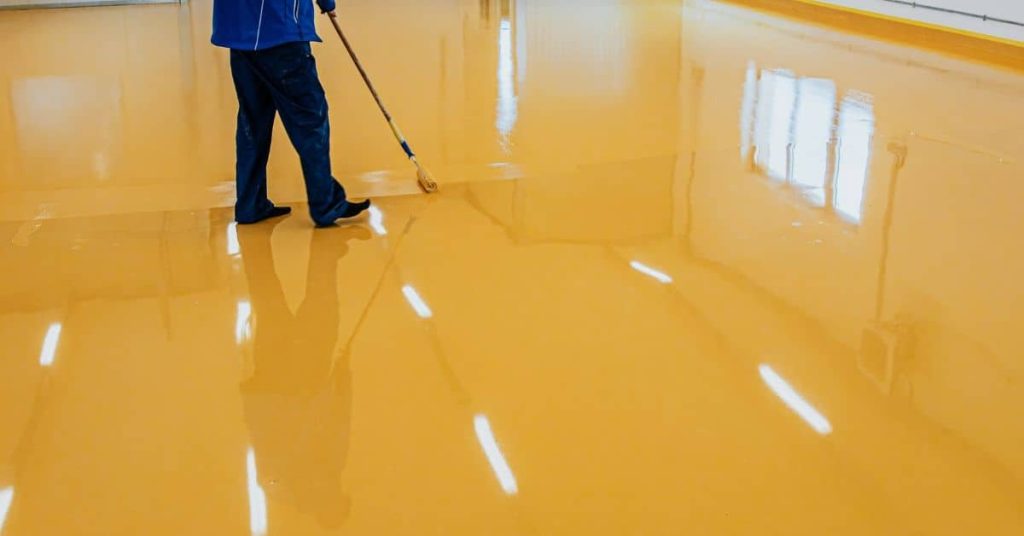
Person applying yellow epoxy coating on floor with roller

Anti-Static Floor Coatings: When They Matter in Workshops and DIY Limits

Introduction Anti-static floor coatings are coatings that reduce static electricity buildup on concrete floors. In a workshop or DIY space, they help prevent shocks and protect sensitive tools. Choose a coating that suits foot traffic and cleaning needs, and follow the label for surface prep. Before applying, test the concrete for moisture and cleanliness, and

Anti-Static Floor Coatings: When They Matter in Workshops and DIY Limits Read More »

Modern living room with grey couch and concrete floor

Concrete Floor Vapor Emissions: Why Some Sealers Fail Even on “Dry” Slabs

Introduction Vapor emissions are moisture moving through a concrete floor and can undermine sealers. Even slabs labeled “dry” can give off moisture that needs to be addressed. You’ll want a practical plan for diagnosing and dealing with that moisture before sealing. Before sealing, verify the slab is truly dry and compatible with the sealer you

Concrete Floor Vapor Emissions: Why Some Sealers Fail Even on “Dry” Slabs Read More »

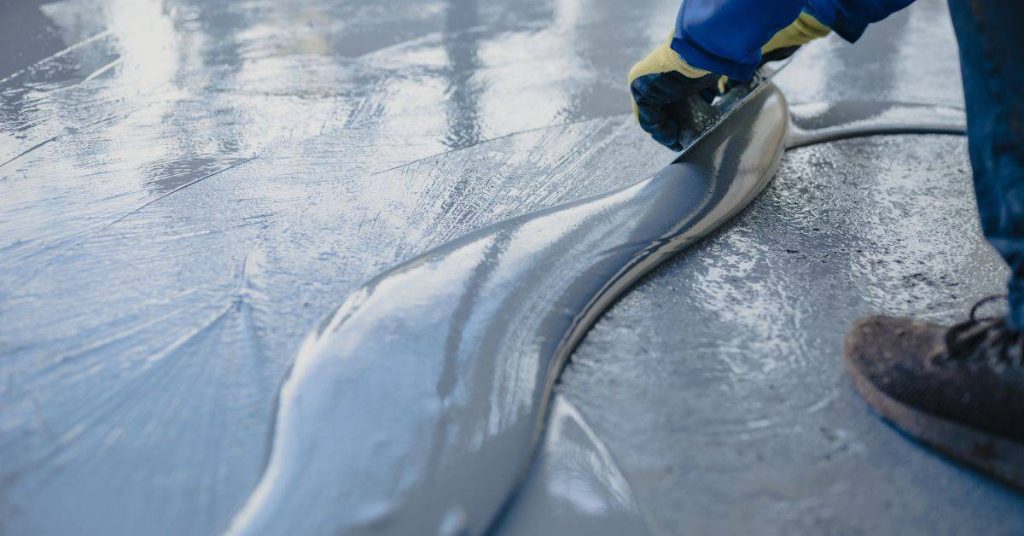
Worker applying grey epoxy floor coating with gloved hand

Primer for Overlays: Acrylic vs Epoxy (Choosing the Right System)

Introduction Acrylic and epoxy primers are two common options for preparing concrete overlays, each with distinct behavior and work styles. Acrylic primer typically dries faster and tolerates some movement, while epoxy primer tends to offer greater adhesion and chemical resistance. Look at the label for cure times, substrate compatibility, and any recommendations for overlays to

Primer for Overlays: Acrylic vs Epoxy (Choosing the Right System) Read More »

Close-up of painted textured drywall surface

Polyaspartic Coatings: Cure Times, Surface Prep, and DIY Reality Check

Introduction Polyaspartic coatings are fast-curing concrete coatings used to seal and protect floors. This article cuts through hype and tells you what to expect in terms cure times, prep steps, and what DIY installers should plan for. We’ll cover the real-world steps, from surface prep to finishing touches, in plain language you can actually follow.

Polyaspartic Coatings: Cure Times, Surface Prep, and DIY Reality Check Read More »

spiked roller on freshly applied epoxy floor coating

Epoxy Thinset vs. Cement Thinset: Where Epoxy Is Worth It (and where it’s trouble)

Introduction Epoxy thinset is a two‑part adhesive that uses epoxy as the binder, offering a tougher, more chemical‑resistant bond than plain cement thinset. In DIY terms, it sets slower and can be trickier to mix and apply, so it’s not always the best choice for every job. Check manufacturer instructions for mixing ratios, pot life,

Epoxy Thinset vs. Cement Thinset: Where Epoxy Is Worth It (and where it’s trouble) Read More »

Close-up of textured concrete garage floor with white car in background

Moisture-Safe Concrete Coatings: What Works, What Doesn’t, and Why

Introduction Moisture-safe concrete coatings are sealers and finishes that slow or block water from the concrete surface. They help keep moisture from moving into basements, garages, or workshops. Choose options that fit your climate and surface, and always follow label directions. What doesn’t work for everyone can be a waste of time and money. In

Moisture-Safe Concrete Coatings: What Works, What Doesn’t, and Why Read More »