Search Results for: epoxy floor

Four rectangular concrete slabs with handwritten markings

Chloride Ion Testing in Old Slabs: When Salt Exposure Is the Real Problem

Introduction Chloride ion testing in old slabs is a way to find out whether salt exposure is the real problem behind concrete issues. It helps separate chloride-related damage from other moisture or subfloor failures. In plain terms, it’s part of diagnosing why a floor isn’t performing as you’d expect. Many times, moisture problems drive cracking, […]

Chloride Ion Testing in Old Slabs: When Salt Exposure Is the Real Problem Read More »
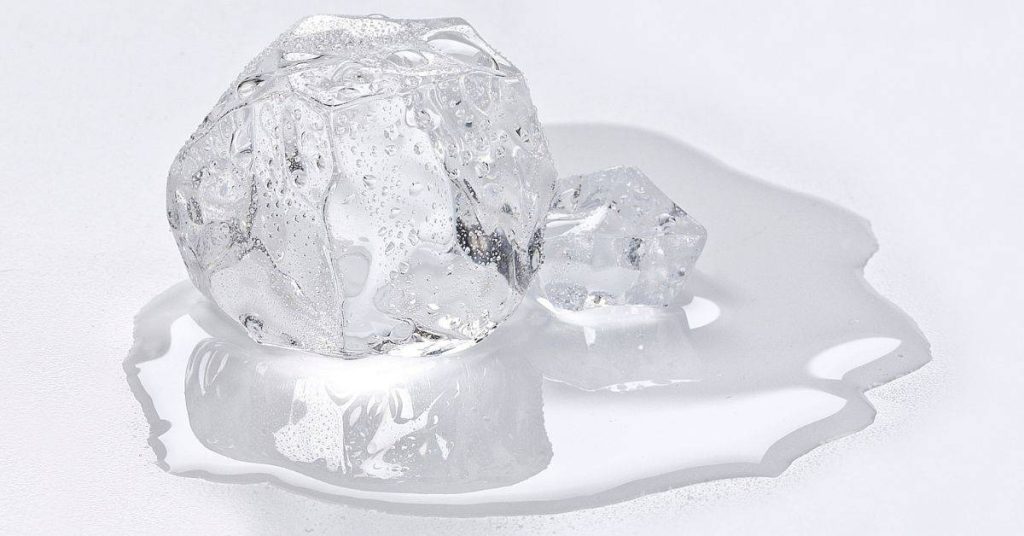
Melting ice cubes with water pool on white surface

Concrete Laitance: How to Identify It and Remove It Before Coatings Fail

Introduction Laitance is a thin, weak surface layer of cement and fines on concrete that can ruin coatings if it isn’t removed. It often feels powdery or dusty and looks lighter or different from the surrounding concrete. If you leave laitance, coatings can fail early and moisture or dirt may trap under the finish. Removal

Concrete Laitance: How to Identify It and Remove It Before Coatings Fail Read More »

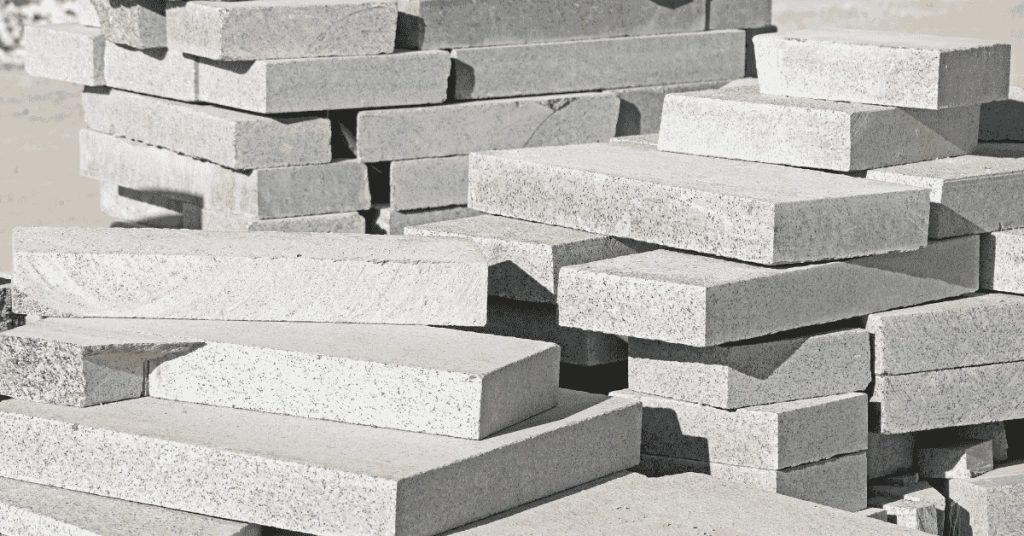
Stacked concrete bricks and blocks outdoors

Concrete Planters: Waterproofing details that don’t peel or trap moisture

Introduction Waterproofing concrete planters means using sealants or coatings that block moisture from entering the concrete and from leaching out. Choose products labeled for concrete and exterior use, and follow the label for surface prep and drying times. Check the manufacturer instructions and local rules for any specific requirements. Apply the sealant with even coverage

Concrete Planters: Waterproofing details that don’t peel or trap moisture Read More »

Concrete slab construction with wooden formwork and steel rebar

Concrete Drainage Without Demo: Small slope fixes that actually move water

Introduction Concrete drainage without demo means guiding water away from the area by tweaking existing surfaces, not tearing out concrete. It’s a practical, hands-on approach that relies on small slope tweaks, edge shaping, and surface detailing. Check local rules and the product labels to ensure your method is allowed. Map out a simple plan for

Concrete Drainage Without Demo: Small slope fixes that actually move water Read More »

Fresh asphalt driveway in front of garage door

Concrete at Garage Doors: Fixing ponding and preventing water intrusion

Introduction Concrete at garage doors refers to the slab at the door opening where improper drainage or settling can cause ponding. This condition signals potential water intrusion if left unaddressed. Start by noting slopes, cracks, and joints that may let water pool near the threshold. Common causes are poor drainage, foundation issues, or slab settling

Concrete at Garage Doors: Fixing ponding and preventing water intrusion Read More »

Concrete slab being smoothed with a long-handled float

Control Joints That Look Bad: Making sawcuts straighter and less noticeable

Introduction Control joints that look bad are joints in concrete that are crooked or wavy and draw the eye. They’re not meeting the surface cleanly, and that makes the floor look unfinished. A straight, neat sawcut can dramatically improve the overall look with less crowding around the joints. Your best bet is to use proper

Control Joints That Look Bad: Making sawcuts straighter and less noticeable Read More »

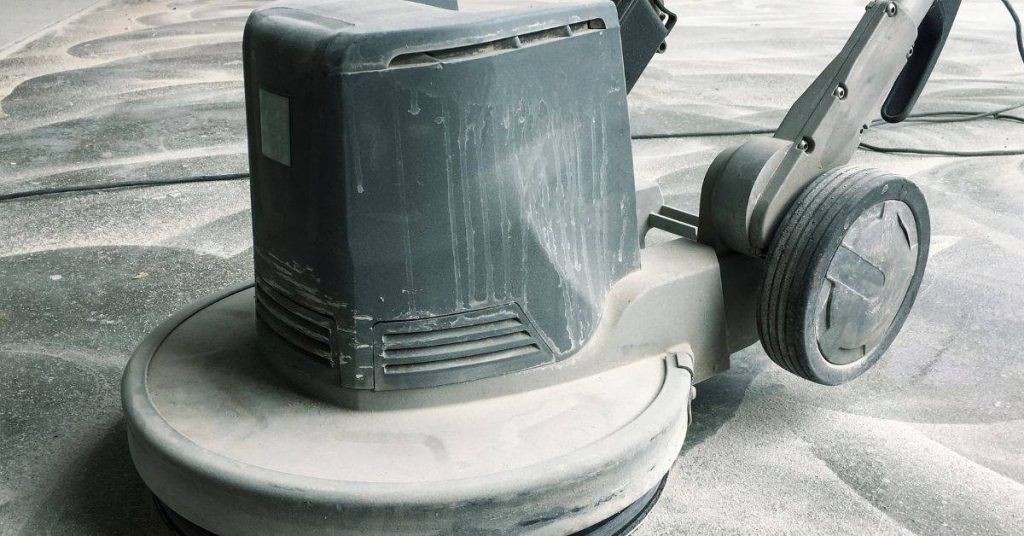
Close-up of a concrete floor grinder on dusty floor surface

Concrete Overlay Failures: Why toppings debond and how to prevent it

Introduction Debonding in concrete toppings happens when the new layer separates from the existing slab. This article explains why that happens and how to prevent it, with practical steps you can check on a home job. In plain talk, it often comes from not prepping the surface or skipping the right profile. Surface preparation is

Concrete Overlay Failures: Why toppings debond and how to prevent it Read More »

Two red concrete pump booms reaching upward

Removing Old Acrylic Sealer: Best stripping methods that don’t scar concrete

Introduction Removing old acrylic sealer means stripping the old finish from the concrete surface without gouging it. This DIY guide walks you through practical methods, safety steps, and what to check on product labels. Start by cleaning the area and choosing a method that fits your concrete and sealer type. Follow product instructions and local

Removing Old Acrylic Sealer: Best stripping methods that don’t scar concrete Read More »

Empty wheelbarrow on concrete floor in shaded area

Concrete Dark Spots: Moisture, curing, or contamination—how to tell which

Introduction Dark spots on concrete are usually caused by moisture, improper curing, or surface contaminants. To tell which, look at the spot’s texture and sheen, note when it appeared, and check for signs of lingering dampness nearby. This guide offers practical, hands-on ways to diagnose and plan fixes. Start with surface prep, like degreasing if

Concrete Dark Spots: Moisture, curing, or contamination—how to tell which Read More »

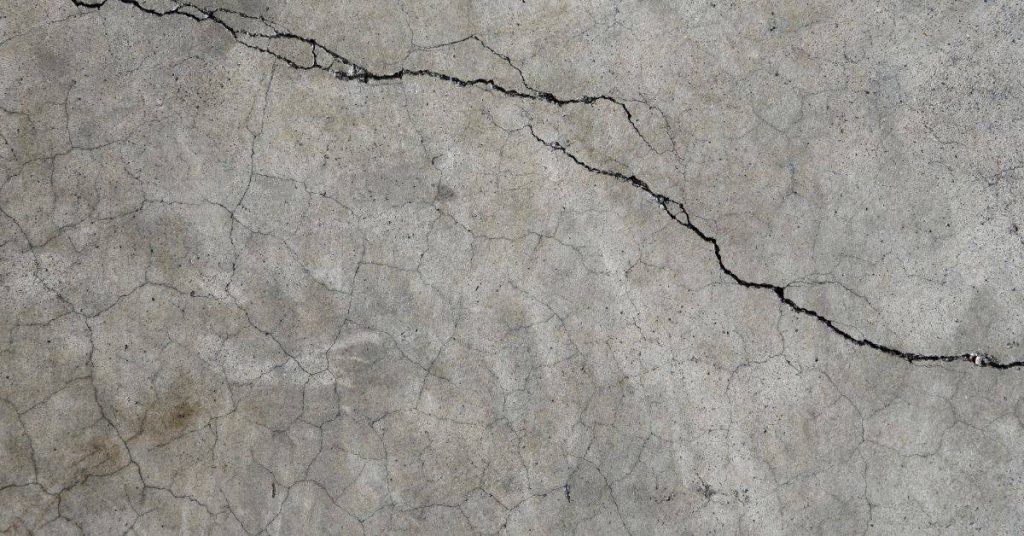
Cracked grey concrete surface with visible fissures

Concrete Surface pH: Why high pH breaks some coatings and how to manage it

Introduction High pH in concrete can break down coatings and weaken their grip. That alkaline environment reacts with many sealers and paints, especially when new concrete is unfinished. Always check the coating’s label and follow manufacturer instructions, and consider what local rules say about surface prep. To prepare, scrub and rinse the surface and let

Concrete Surface pH: Why high pH breaks some coatings and how to manage it Read More »