Search Results for: efflorescence

Concrete surface with a large patch of spalling damage

Concrete Joint Spalling: Why Edges Break and How to Repair the Arris

Introduction Concrete joint spalling is when the edge of a concrete joint chips or flakes away under load. It often signals edge wear that can affect trips, drainage, and door clearances in shops or warehouses. This hands-on guide sticks to plain language and practical steps you can take at a DIY level. Repair options include […]

Concrete Joint Spalling: Why Edges Break and How to Repair the Arris Read More »

Close up of concrete surface with small voids and holes

Concrete Honeycombing: Why Voids Form and How to Patch Properly

Introduction Concrete honeycombing is voids or gaps in the concrete left by poor compaction, creating a honeycomb-like texture. It’s often visible on the surface as rough pockets and can affect how the finish looks and wears. For DIYers, inspect exposed areas after form removal and under surfaces to spot these voids early. Common causes include

Concrete Honeycombing: Why Voids Form and How to Patch Properly Read More »

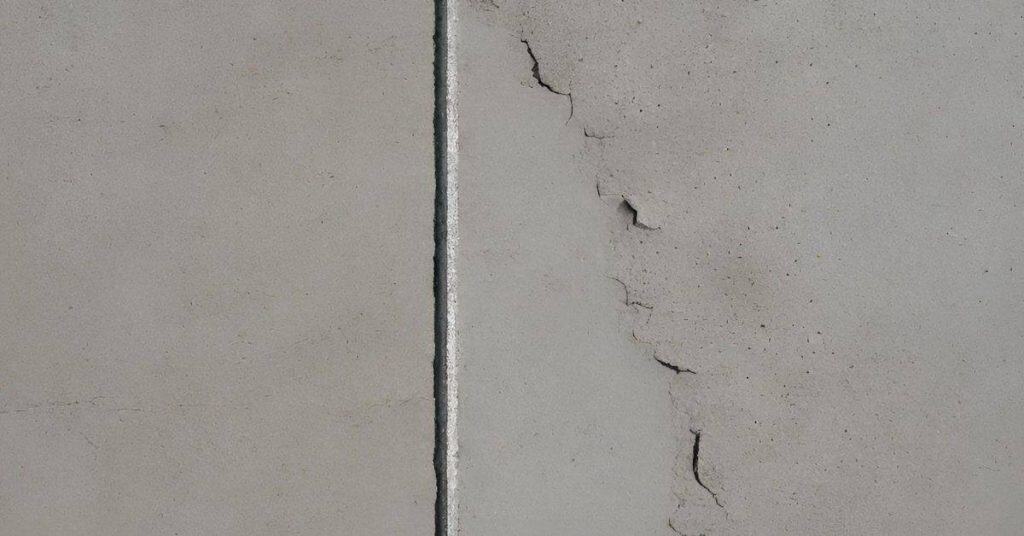
Concrete wall with visible cracking and peeling surface

Concrete Etching Gone Wrong: How to Neutralize and Recover the Surface

Introduction Concrete etching gone wrong means a surface that has been over-etched or uneven, requiring neutralizing and surface recovery. This intro covers surface preparation before etching, how to apply the corrective solution, and what comes after. Always follow the product label and your local rules for handling chemicals. After etching, neutralize the surface as directed

Concrete Etching Gone Wrong: How to Neutralize and Recover the Surface Read More »

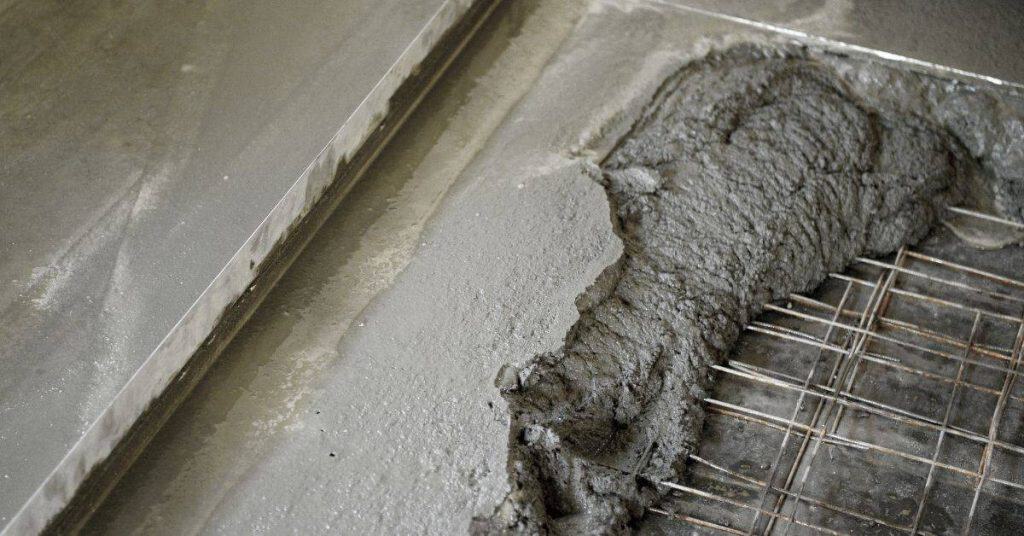
Wet concrete being poured over metal rebar mesh

Concrete Carbonation: What It Means for Rebar and Surface Durability

Introduction Concrete carbonation is the natural process where carbon dioxide penetrates hydrated cement and neutralizes the alkaline environment. This change can influence how rebar corrodes and how the surface holds up. In plain terms, it’s the carbonation front moving inward and changing the chemistry you relied on for durability. The mechanism involves CO2 diffusing through

Concrete Carbonation: What It Means for Rebar and Surface Durability Read More »

Concrete beams with exposed rebar at construction site

Concrete Alkali-Silica Reaction: Early Signs and Practical Mitigation

Introduction ASR is a chemical reaction in concrete where reactive silica reacts with alkali in the cement paste, causing expansion and cracking. This article explains how early signs appear and practical, home-friendly steps to reduce risk. You’ll learn what to look for, how to document symptoms, and what to ask suppliers or local rules when

Concrete Alkali-Silica Reaction: Early Signs and Practical Mitigation Read More »

Hand painting white window sill with brush near open window

Neater Painting Tips: Cleaner Lines, Less Tape, Better Cut-In

Introduction Neater Painting Tips means getting cleaner lines with less tape and sharper cut-ins. Start with a clean, dry surface and proper tool selection, like a stiff bristle brush or angled sash brush for precise edges. Practice slow, stable strokes and keep a small, controlled paint bead along the boundary to reduce bleed. For cut-ins,

Neater Painting Tips: Cleaner Lines, Less Tape, Better Cut-In Read More »

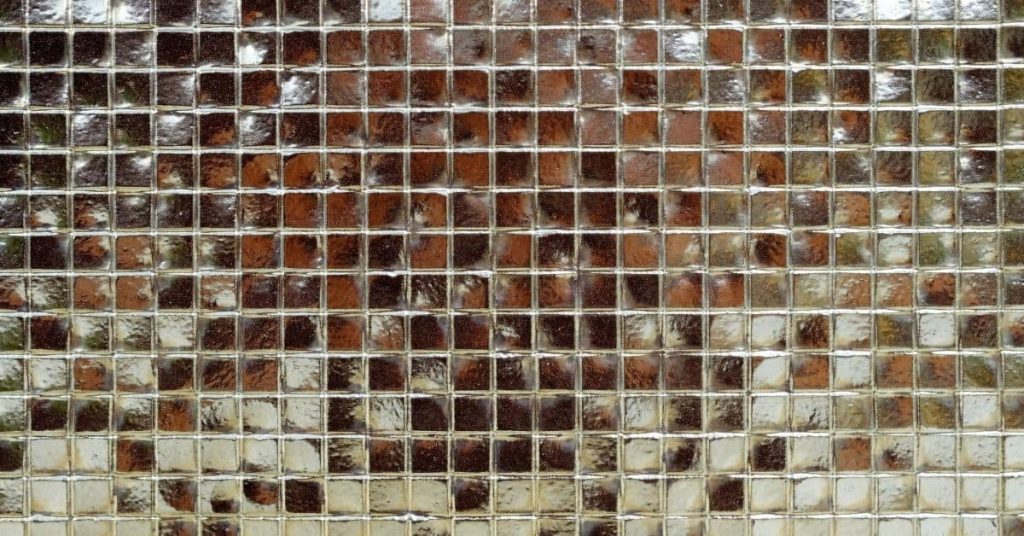
brown and beige glass mosaic tiles in square pattern

Installing Mosaic Tile: Sheet Handling, Alignment, and Grout Control

Introduction Installing mosaic tile means placing small tiles on a surface in predefined sheet patterns, then securing them with adhesive and preparing for grout. Work with the sheets carefully, cut as needed, and keep edges intact to avoid chipping. Align sheets on the substrate by checking straight lines, matching edges, and avoiding gaps that misalign

Installing Mosaic Tile: Sheet Handling, Alignment, and Grout Control Read More »