Search Results for: efflorescence

Concrete porch floor with chairs and small table

Water-Based Concrete Stains: Step-by-Step Timeline and Duration Guide

Introduction Embarking on a DIY concrete staining project? Understanding the timeline and duration is crucial to ensure your project stays on track. Water-based concrete stains offer a safer, easier cleanup alternative to acid stains, but they still require careful planning and time management. In this guide, we’ll walk you through the step-by-step process of applying […]

Water-Based Concrete Stains: Step-by-Step Timeline and Duration Guide Read More »

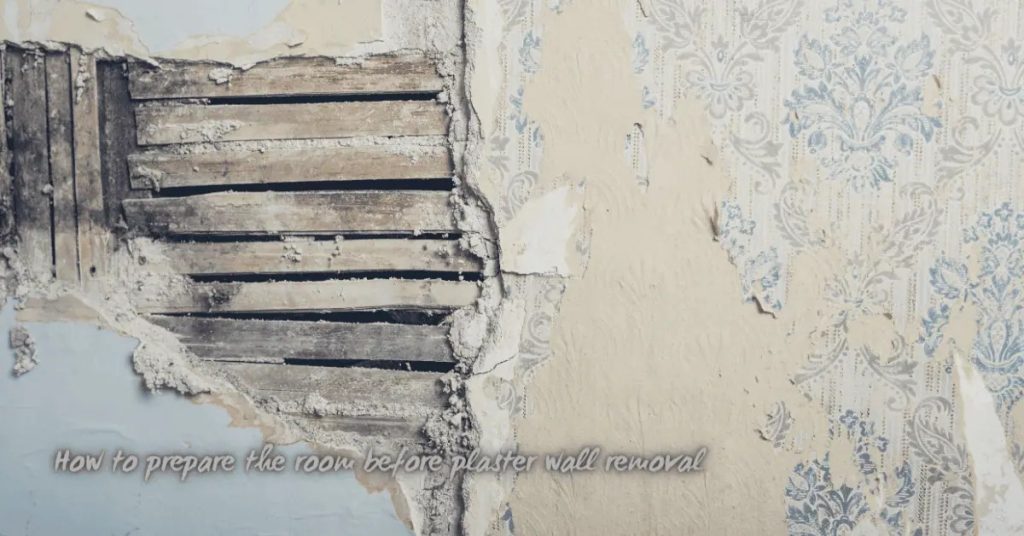
Smooth light blue painted stucco wall surface

Stucco Blisters Under Finish Coat: Causes, Cutback Rules, and Rebuild Steps

Introduction Stucco blisters under the finish coat are pockets of trapped moisture or air beneath the surface layer that lift the finish and can lead to cracking or detachment. In plain jobsite terms, they usually mean water got into the wall system, the assembly dried poorly, or the underlying base or lath bond failed. I’ll

Stucco Blisters Under Finish Coat: Causes, Cutback Rules, and Rebuild Steps Read More »

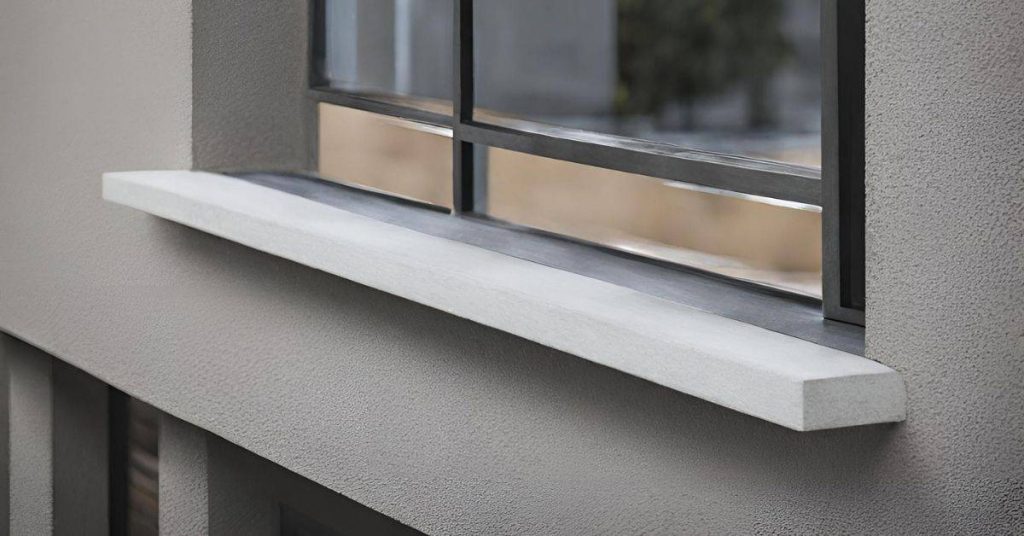
Smooth sandblasted concrete window sill beneath glass window

How to Match a Sandblasted Concrete Finish in a Small Repair

Introduction Matching a sandblasted concrete finish in a small repair means removing the same surface layer and recreating the texture and color so the patch blends with the surrounding slab. This requires cleaning and profiling the repair area, choosing a compatible repair mortar or topping, and using a light abrasive technique to mimic the sandblasted

How to Match a Sandblasted Concrete Finish in a Small Repair Read More »

Close-up view of crushed concrete aggregate stones

Exposed Aggregate Repairs: Re-Exposing Stone Without Washing Out the Patch

Introduction Exposed aggregate repairs that re-expose stone without washing out the patch means removing the surface paste down to the original aggregate so the patch blends with the surrounding concrete. It’s a hands-on process using mechanical abrasion and careful material matching rather than scrubbing with water until the new paste disappears. Check product labels and

Exposed Aggregate Repairs: Re-Exposing Stone Without Washing Out the Patch Read More »

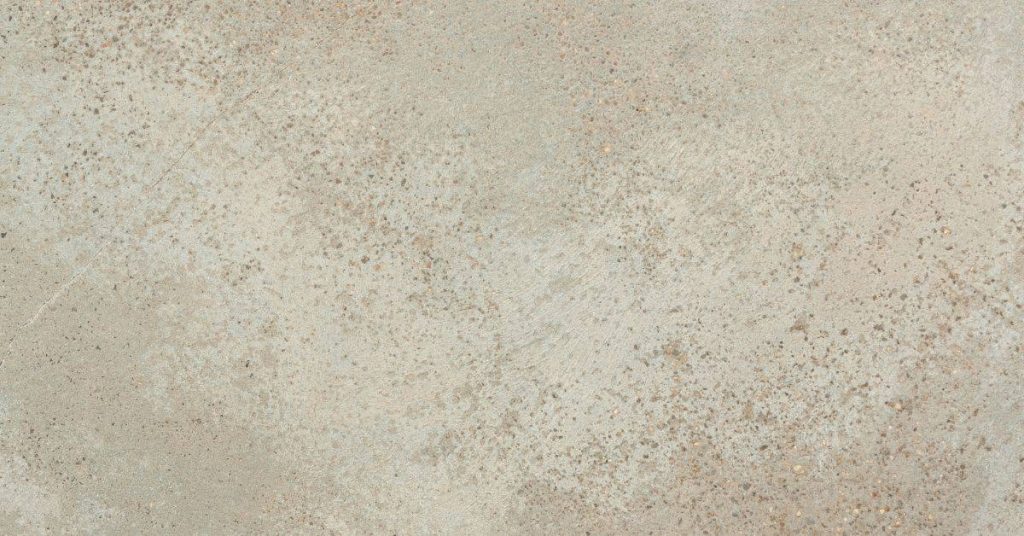
closeup of textured concrete surface with salt finish

Concrete Salt Finish Patching: How to Recreate the Texture Without Obvious Islands

Introduction Concrete salt finish patching is a way to match the coarse, pocked texture of an existing salt finish by embedding and removing salt or an aggregate substitute so the repair blends in. This job is hands-on: you clean and profile the old concrete, feather the repair edges, and match the mix and timing so

Concrete Salt Finish Patching: How to Recreate the Texture Without Obvious Islands Read More »

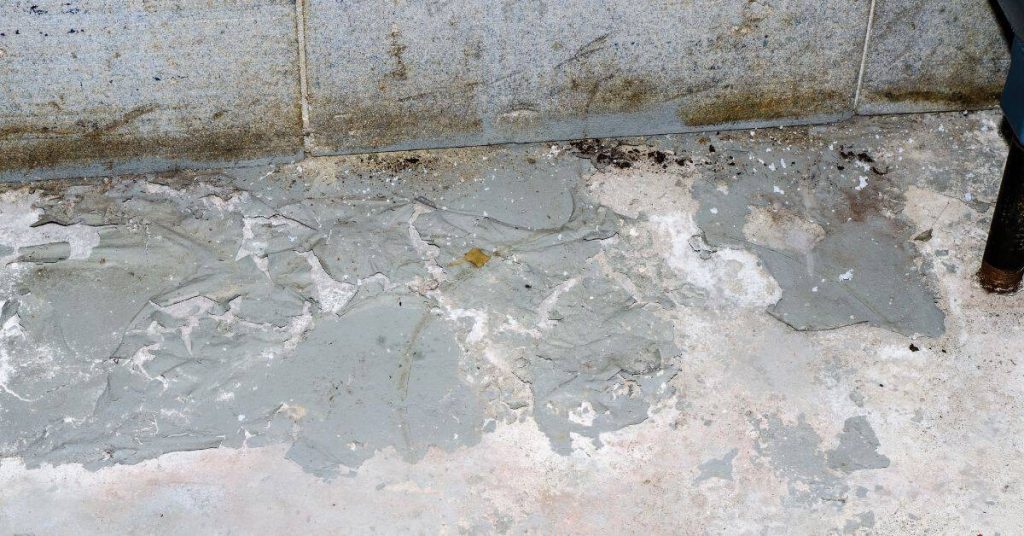
Concrete surface with peeling and scaling damage

Concrete Scaling From De-Icers: Diagnosing Salt Damage and Resetting the Surface

Introduction Concrete scaling from de-icers is surface flaking and loss of the concrete paste caused or accelerated by salt exposure and freeze-thaw action. I’ll walk you through how to spot salt damage, what causes it, and practical ways to reset the surface so your slab is safe and serviceable again. This is written for a

Concrete Scaling From De-Icers: Diagnosing Salt Damage and Resetting the Surface Read More »

Concrete slab being smoothed with a screed tool

Repairing a Concrete Slab with Map Cracking: When to Overlay vs When to Remove

Introduction Map cracking on a concrete slab is a network of shallow, random surface cracks that often signal surface distress rather than full structural failure, and deciding whether to overlay or remove depends on the depth, movement, and underlying cause. If the cracks are shallow, the slab is stable, and there is no significant settlement

Repairing a Concrete Slab with Map Cracking: When to Overlay vs When to Remove Read More »

Pressure washing concrete surface with hose spray

How to Neutralize Acid Cleaners on Concrete: Rinse Strategy That Prevents Future Scaling

Introduction Neutralizing acid cleaners on concrete means thoroughly rinsing and neutralizing the acid so it stops etching or causing future scaling; start by flushing the surface with plenty of water and follow with a bicarbonate or other manufacturer-recommended neutralizer until pH tests indicate neutral. Use common tools—hose with spray nozzle, stiff push broom, bucket, pH

How to Neutralize Acid Cleaners on Concrete: Rinse Strategy That Prevents Future Scaling Read More »

Rows of concrete blocks arranged on racks for curing

How to Stop Concrete Patch Color Mismatch: Water Control, Curing, and Tint Options

Introduction Stopping concrete patch color mismatch means controlling water, curing, and surface tinting so the patched area dries and weathers like the surrounding slab. Focus first on water management at the mix and jobsite—too much or too little water changes color and texture, so check product labels and adjust by feel and small test patches.

How to Stop Concrete Patch Color Mismatch: Water Control, Curing, and Tint Options Read More »