Search Results for: efflorescence

Concrete surface with small holes and surface pitting

Air Entrained Concrete: When it’s necessary and how to avoid surface pitting

Introduction Air entrained concrete is concrete that includes tiny air bubbles introduced by a special additive to improve its performance. These micro-bubbles help when water freezes and expands, reducing cracks in the slab. It’s a common choice for projects that sit outside or face temperature swings. Use is appropriate when you want a smoother surface […]

Air Entrained Concrete: When it’s necessary and how to avoid surface pitting Read More »

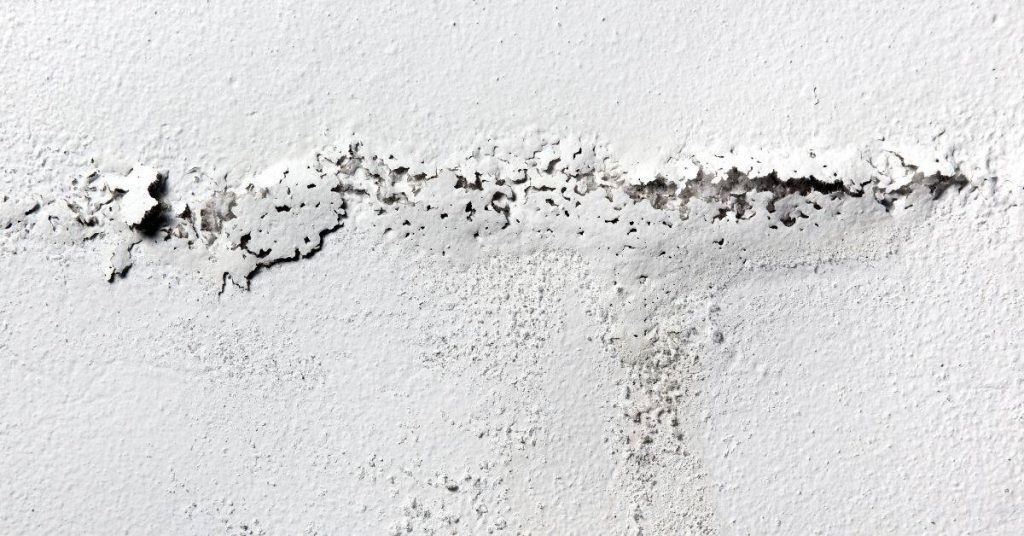
Peeling white paint on rough concrete wall surface

Concrete Sealer on New Concrete: The moisture traps that cause peeling later

Introduction Sealing new concrete can trap moisture and cause peeling later. That moisture gets trapped under the sealer if the surface is still damp or the slab is still curing. Let the concrete cure fully and follow the manufacturer’s guidance before applying any sealer. Before sealing, clean the surface and remove dust, oil, and any

Concrete Sealer on New Concrete: The moisture traps that cause peeling later Read More »

Precast concrete panel resting on sandy ground

Concrete Sealer Whitening After Rain: Causes and how to restore clarity

Introduction Sealer whitening after rain is a cloudy, milky look on newly sealed concrete caused by moisture and uneven drying. It happens when the surface still holds moisture or the sealer cures too fast in damp conditions. Check the product label and local guidelines for ideal conditions and reapplication steps. To prevent it, seal only

Concrete Sealer Whitening After Rain: Causes and how to restore clarity Read More »

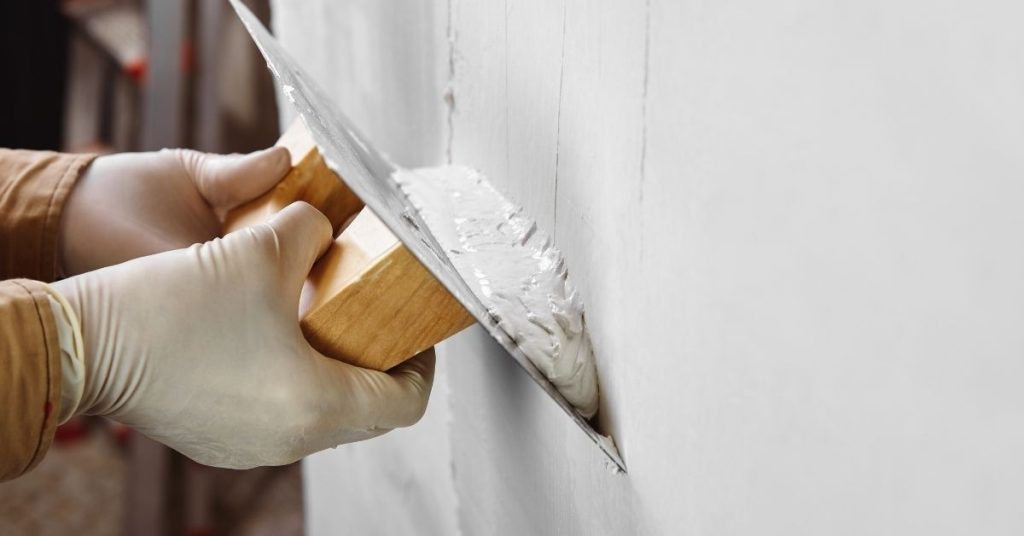
Man patching ceiling plaster with putty knife

Plaster Repairs After Electrical Work: Patching channels without a visible ridge

Introduction Plaster repairs after electrical work are patches that blend into the wall so you don’t see a ridge. Start by assessing the surrounding finish and preparing the plaster mix to match the existing texture. To avoid a visible ridge, feather the edges, work in thin coats, and blend with the surrounding plaster as you

Plaster Repairs After Electrical Work: Patching channels without a visible ridge Read More »

Empty room with polished concrete floor and large windows

Concrete Patch Lines: Blending repairs so they don’t scream ‘patch’

Introduction Concrete patch lines are blended repairs that look like part of the surrounding slab rather than obvious patches. The goal is a seamless join that doesn’t stand out when people walk on or near it. You’ll use careful technique and matching materials to hide the repair. Focus on patch techniques that blend edges with

Concrete Patch Lines: Blending repairs so they don’t scream ‘patch’ Read More »

porch with painted concrete floor and white railing

Concrete Countertop Sealing: Durable, low-maintenance options that won’t haze

Introduction Sealing concrete countertops means applying a coating or treatment to protect the surface from stains and wear. A good seal helps wipe up spills, keeps the look cleaner, and reduces daily maintenance. There are different approaches, and you’ll want to choose based on how you use the counter and what you can tolerate in

Concrete Countertop Sealing: Durable, low-maintenance options that won’t haze Read More »

Concrete slab being smoothed with a long-handled float

Concrete Pinholes After Grinding: Filling pores without losing texture

Introduction Pinholes after grinding are tiny surface pores left in the concrete after smoothing. They can show up after grinding and may affect texture if not filled. This article explains a practical way to fill them while keeping the surface feel intact. You’ll need simple fillers and a bit of patience, and always check product

Concrete Pinholes After Grinding: Filling pores without losing texture Read More »

Hands applying plaster to wall with wooden float

Venetian Plaster Sealing: Wax vs soap vs modern sealers (what changes)

Introduction Venetian plaster sealing means choosing a surface finish to protect and alter the look of plaster while controlling sheen. In practice, DIYers typically choose wax, soap, or modern sealers, each with its own feel and maintenance. Wax can add warmth and depth, soap offers a lighter look and easier rework, and modern sealers vary

Venetian Plaster Sealing: Wax vs soap vs modern sealers (what changes) Read More »

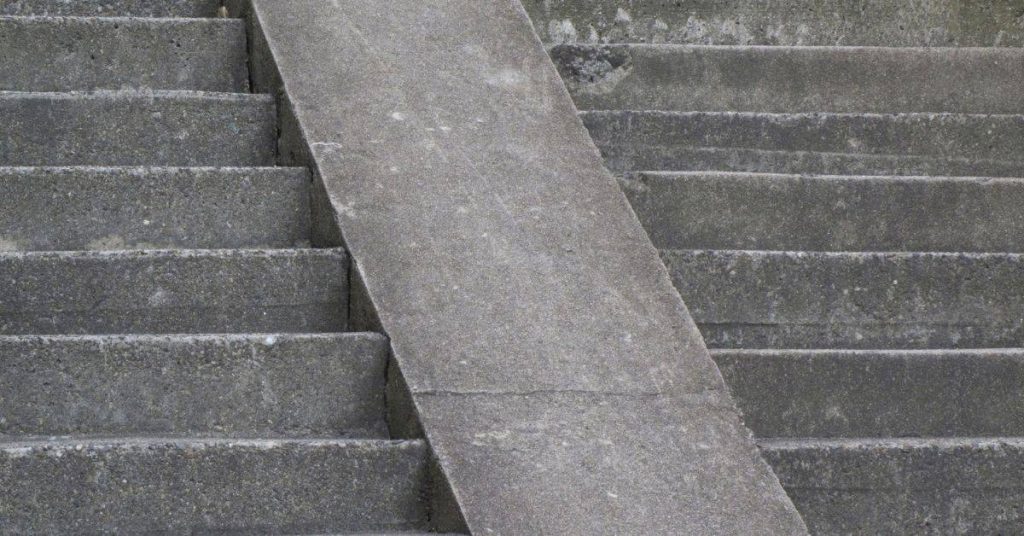
Concrete stairs with a smooth ramp in the middle

Fixing a Concrete Patch That Won’t Take Stain: Porosity matching and blending

Introduction Porosity matching and blending means adjusting a concrete patch so it accepts stain like the surrounding concrete and hides the edges. Start with a clean, dry surface and test a small area to see how the stain looks. If the patch seems off, adjust the patch mix with a compatible additive or bonding agent

Fixing a Concrete Patch That Won’t Take Stain: Porosity matching and blending Read More »