Search Results for: efflorescence

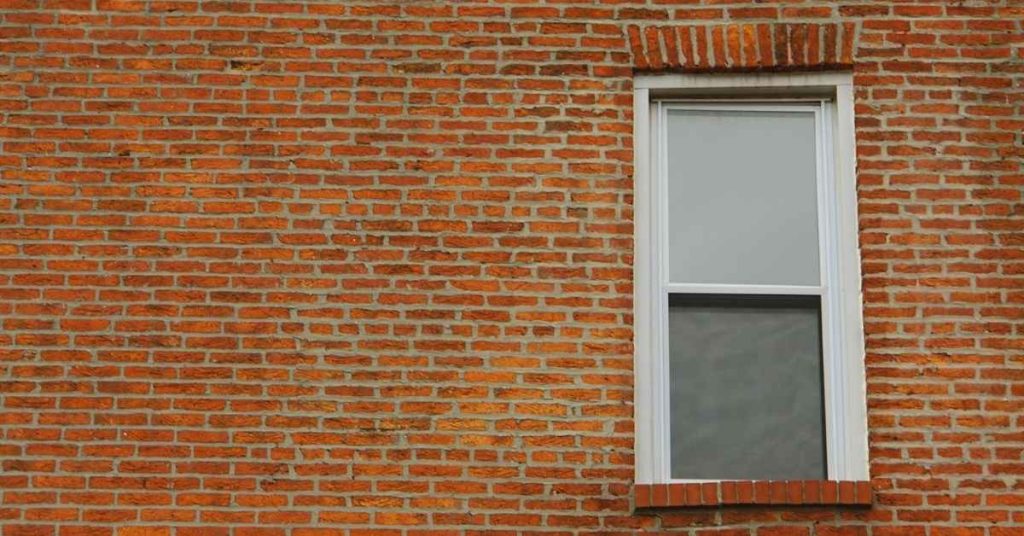
Brick wall with window and brick lintel above

Replacing a Rusted Brick Lintel: Supporting the Wall and Preventing Future Stains

Introduction Replacing a rusted brick lintel means removing the corroded support above an opening and installing a proper replacement to keep the wall carrying loads. Before you touch it, set up temporary shoring to hold the wall while you work, and inspect the surrounding brick and mortar for damage. Check local rules and the manufacturer’s […]

Replacing a Rusted Brick Lintel: Supporting the Wall and Preventing Future Stains Read More »

Construction worker laying mortar on brick wall outdoors

Stair-Step Cracks in Brick Walls: What They Mean and When It’s Serious

Introduction Stair-step cracks in brick walls are diagonal cracks that zigzag up the wall along the mortar joints. They often signal movement in the wall, not just settling. If you see them, inspect for movement, moisture, and any doors or windows that stick. What you do next depends on how serious the crack looks and

Stair-Step Cracks in Brick Walls: What They Mean and When It’s Serious Read More »

Stone column bases and brick wall with light reflections

Brick Chimney Crown Repairs: Why Crowns Crack and How to Form Better Ones

Introduction A brick chimney crown is the concrete cap that sits on top of a brick chimney and keeps water out. Cracks show that the crown is failing and needs attention to prevent water damage. In this DIY guide, you’ll learn a practical, hands-on approach to inspecting, preparing, and forming a better crown. Always check

Brick Chimney Crown Repairs: Why Crowns Crack and How to Form Better Ones Read More »

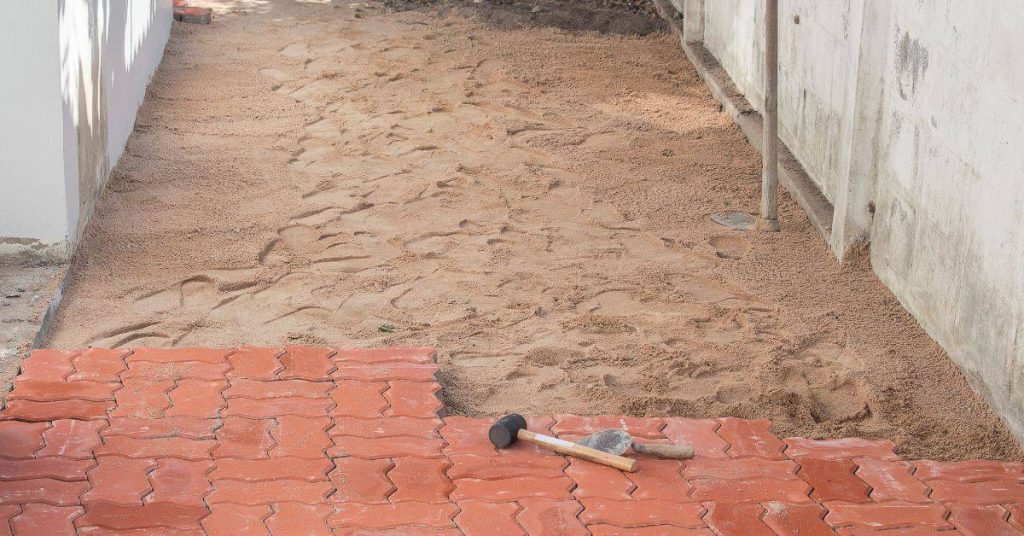
Partially laid red brick pavers with sand base and tools

Rebuilding Loose Brick Steps: When to Reset vs Rebuild (and how to prep the base)

Introduction Resetting loose brick steps means stabilizing the stairs by cleaning the base, re-seating the bricks, and securing them so the steps are solid again. This article walks you through deciding when to reset versus rebuild and how to prep the base. You’ll find practical, hands-on tips for a DIY job without fancy gear. Start

Rebuilding Loose Brick Steps: When to Reset vs Rebuild (and how to prep the base) Read More »

Snow-covered precast concrete beams stacked outdoors

Clean Concrete Door Threshold Curbs: Isolation Joints and Waterproof Transition Details

Introduction A clean concrete door threshold curb is a raised, sealed transition at a doorway that isolates joints and redirects water. For installation, choose a waterproofing membrane that can bridge the joint between curb and slab, and follow the manufacturer’s surface prep and cure guidance. Architectural details matter—use proper edging, transitions, and compatible sealants, and

Clean Concrete Door Threshold Curbs: Isolation Joints and Waterproof Transition Details Read More »

Woman painting kitchen cabinets brown with brush

Painting Brick Without Trapping Moisture: Mineral Paint vs Acrylic Reality

Introduction Mineral paint lets brick breathe and dry without trapping moisture. Acrylic finishes sit on the surface and can seal moisture in if the surface isn’t prepared or the weather isn’t right. In this article I’ll lay out practical, hands‑on steps so you know what to check before you paint. Before you buy, read the

Painting Brick Without Trapping Moisture: Mineral Paint vs Acrylic Reality Read More »

Hand holding electric drill with bit against white brick wall

Removing Paint from Brick: What Works Without Turning Faces to Powder

Introduction Removing paint from brick means stripping paint while keeping the brickwork intact and the mortar sound. This DIY guide focuses on practical, low-damage approaches you can do with common tools and safe techniques. You’ll want to test on a small area first and watch for powdering or etching, then proceed carefully. Start with gentle

Removing Paint from Brick: What Works Without Turning Faces to Powder Read More »

Black painted brick wall with uneven paint coverage

Interior Painted Brick Done Right: Bond Tests, Primers, and Bleed-Through Fixes

Introduction Interior painted brick means coating interior brick walls with paint using proper prep to ensure adhesion and durability. This article covers how to test for good bond, what primers to use, and how to fix bleed-through in plain, hands-on terms. You’ll find practical steps you can follow on a DIY job site and what

Interior Painted Brick Done Right: Bond Tests, Primers, and Bleed-Through Fixes Read More »

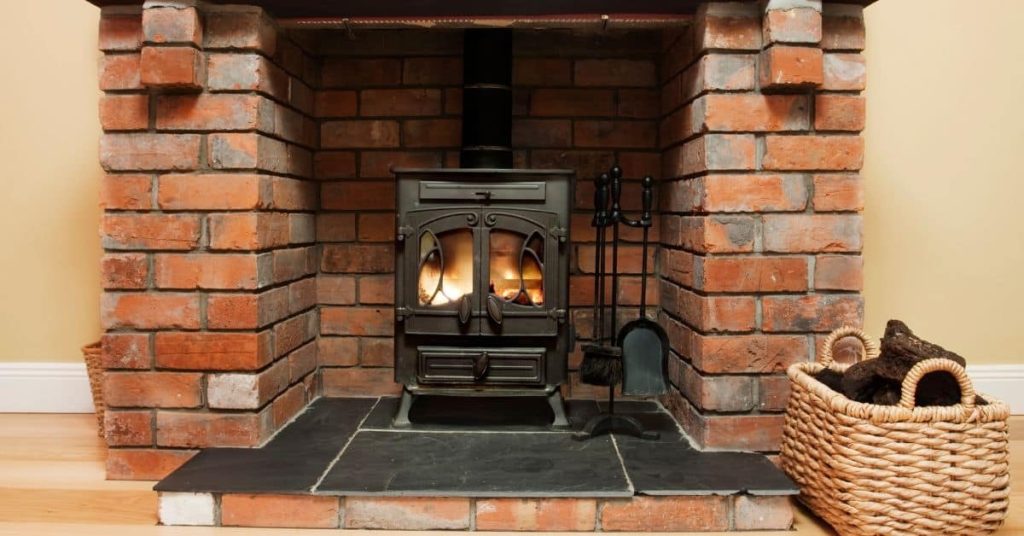
Black wood stove inside brick fireplace with fire tools and basket

Cleaning Fireplace Soot on Brick: Dry Methods First, Chemistry Second

Introduction Dry methods use physical brushing and vacuuming to lift soot from brick before any chemical cleaners. Start with the gentlest approach and work carefully to avoid staining. Move in small sections and wipe or vacuum away loosened soot as you go. If stubborn soot remains after dry work, you can consider a basic cleaner

Cleaning Fireplace Soot on Brick: Dry Methods First, Chemistry Second Read More »

close-up of red brick wall with mortar joints

Choosing Caulk for Brick Joints: Polyurethane vs Hybrid vs Silicone (and why it matters)

Introduction Caulk for brick joints is the sealant you install between bricks to keep water out and allow for some movement. Common options are polyurethane, hybrid, and silicone, each with trade-offs for adhesion, flexibility, and durability. Always check the product label for brick or masonry compatibility and whether it can be painted if you need

Choosing Caulk for Brick Joints: Polyurethane vs Hybrid vs Silicone (and why it matters) Read More »