Search Results for: drywall op

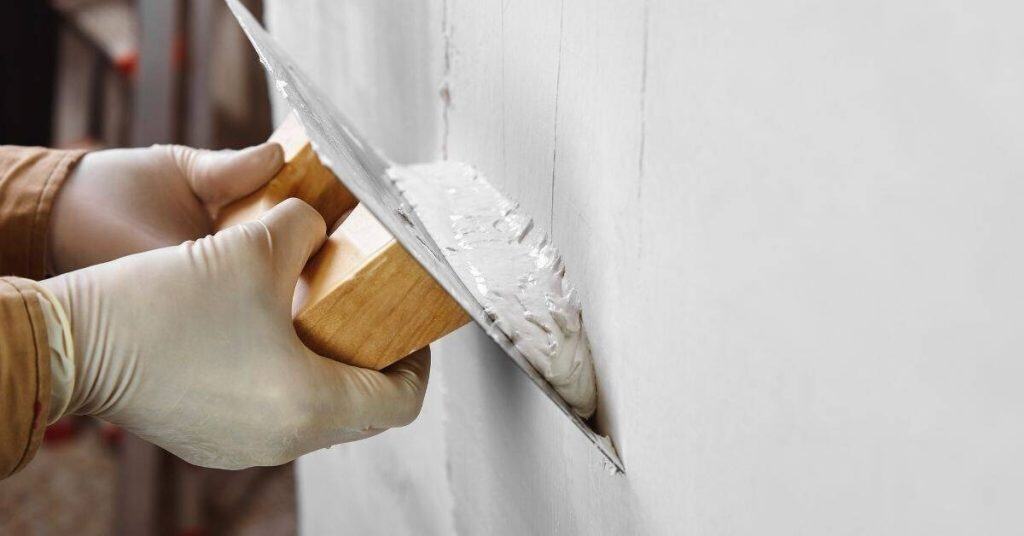
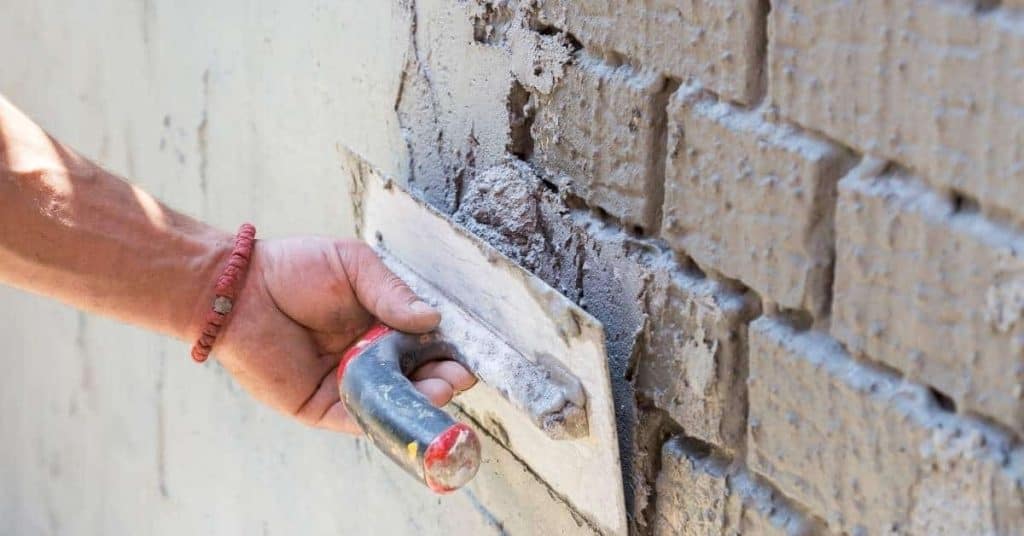
Hand applying plaster to brick wall with trowel

Feathery vs. Sharp Transitions in Plaster Repairs: Choosing the Right Edge Strategy

Introduction A feathery transition blends into the surrounding plaster, while a sharp transition leaves a crisp, defined edge. That choice changes how visible the repair is and how easy it feels to the eye. As a DIYer, your pick depends on wall texture, room style, and how the surface will be used. When you repair, […]

Feathery vs. Sharp Transitions in Plaster Repairs: Choosing the Right Edge Strategy Read More »

Worker spraying plaster onto brick wall wearing safety helmet

Creating Sharp Modern Plaster Edges (Trimless Look) With Reveal Beads

Introduction Reveal beads create sharp, trimless plaster edges by guiding the plaster away from the joint and leaving a clean line where the wall and plaster meet. This article walks you through a practical, hands-on approach you can use on a standard interior wall to get that modern, uninterrupted look. Start by choosing the right

Creating Sharp Modern Plaster Edges (Trimless Look) With Reveal Beads Read More »

White textured plaster wall surface with swirl patterns

Skim Coating Over Textured Plaster: High-Spot Knockdown and Flatness Checks

Introduction Skim coating over textured plaster is applying a thin, smooth layer to even out high spots and create a flat surface. You’ll knock down the high spots, then skim with lightweight compound to blend the texture. Start by inspecting for obvious ridges and plan where you’ll feather edges. Before you start, confirm you have

Skim Coating Over Textured Plaster: High-Spot Knockdown and Flatness Checks Read More »

Person applying plaster to brick oven dome with trowel

Plaster Repairs Over Masonry Fireplaces: Managing Heat Cycles and Soot Staining

Introduction Plaster repairs over masonry fireplaces are patches of plaster applied to brick or stone around the firebox to restore a smooth, protected surface. Heat cycles and soot staining can crack and discolor the area, so you approach it in layers and blend with the surrounding texture. Keep an eye on existing cracks and smoke

Plaster Repairs Over Masonry Fireplaces: Managing Heat Cycles and Soot Staining Read More »

Close up of cracked and peeling plaster on wall

Repairing Plaster After Recessed Lighting Install: Keeping the Patch Flush and Crack-Free

Introduction Repairing plaster after recessed lighting install means restoring the wall or ceiling so the patch sits flush with surrounding plaster and hides the cut edges. Start by cleaning the area and inspecting for cracks or loose material. Check product labels and local rules for recommended patching methods and drying times. Apply a patching compound

Repairing Plaster After Recessed Lighting Install: Keeping the Patch Flush and Crack-Free Read More »

Hands applying plaster with a trowel on wall

Clay Plaster Basics for Homeowners: Mixing, Application, and Crack Control

Introduction Clay plaster is a traditional, breathable finish made from clay and water that you apply to walls. It’s forgiving and doable for DIY projects when you work in small, manageable steps. Check the bag or supplier instructions for how to blend, the right water amount, and any additives. Apply in thin coats, letting each

Clay Plaster Basics for Homeowners: Mixing, Application, and Crack Control Read More »

Man applying plaster to wall using trowel and hawk

Roman Clay Wall Finish: How to Get the Look, What Substrates Work, and How to Seal It

Introduction Roman Clay Wall Finish is a hand-applied plaster look that mimics traditional lime-based finishes. You build it in layers on a prepared substrate, then blend and burnish to create the texture. Check the substrate and product labels for compatibility and curing times before you start. For substrates, common options include clean, smooth walls or

Roman Clay Wall Finish: How to Get the Look, What Substrates Work, and How to Seal It Read More »

Hand applying textured plaster on wall with trowel

Marmorino Lime Plaster Finish: Step-by-Step to a Soft Stone Look (Beginner Friendly)

Introduction Marmorino lime plaster is a traditional decorative plaster that creates a soft, stone-like finish. This article walks beginners through the basics, from materials to technique, in plain language. You’ll learn what to check on product labels and manufacturer instructions before you start. Expect a hands-on, step-by-step method you can adapt to walls you already

Marmorino Lime Plaster Finish: Step-by-Step to a Soft Stone Look (Beginner Friendly) Read More »

Hand smoothing plaster on wall with trowel

Tadelakt for DIY Bathrooms: Surface Prep, Burnishing, and Waxing Without Failure

Introduction Tadelakt is a traditional lime plaster finish used on bathrooms, finished with burnishing and wax to create a smooth, water-resistant surface. This article walks you through surface prep, burnishing, and waxing with practical, hands-on steps. I’ll keep it plain-language and honest about what to check before you start. Prep the surface clean, sound, and

Tadelakt for DIY Bathrooms: Surface Prep, Burnishing, and Waxing Without Failure Read More »