Search Results for: drainage stucco

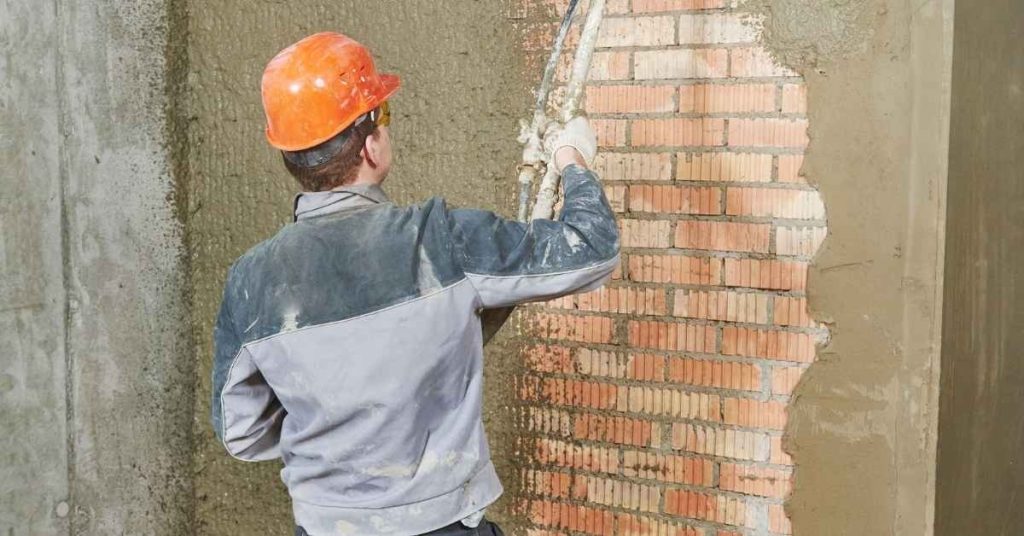
Worker applying stucco onto brick wall wearing orange hard hat

Galvanic Corrosion at Stucco Accessories: Troubleshooting Rust Stains and Effective Repairs

Introduction Discovering rust stains on your otherwise pristine stucco job can be frustrating. Galvanic corrosion is often the culprit, but identifying the cause and implementing effective repairs can be challenging. This guide walks you through troubleshooting galvanic corrosion issues in stucco accessories, helping you diagnose problems, understand their causes, and apply targeted solutions to stop […]

Galvanic Corrosion at Stucco Accessories: Troubleshooting Rust Stains and Effective Repairs Read More »

Blue painted stucco wall texture

How to Paint Stucco With Maximum Breathability: Product Types and Prep Steps

Introduction Painting stucco with maximum breathability means choosing and applying coatings that let moisture vapor move through the wall rather than trapping it behind the finish. In practice that means picking a paint or coating labeled for masonry/stucco breathability and preparing the surface so the coating can adhere and perform; check product labels and manufacturer

How to Paint Stucco With Maximum Breathability: Product Types and Prep Steps Read More »

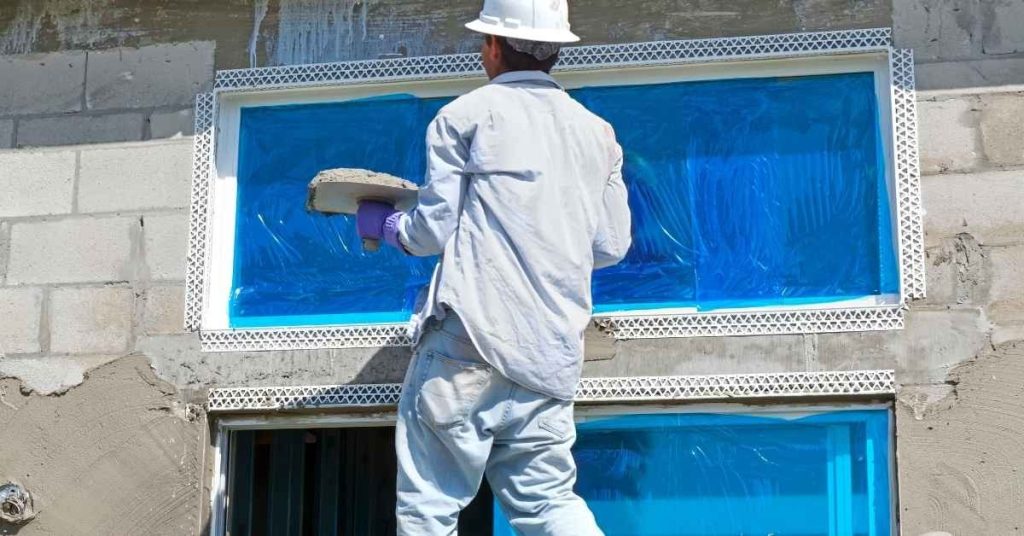
Worker applying stucco around window frames on building exterior

Stucco at Window Sills: Drip Edges, End Dams & Timeline for Installation

Introduction Installing stucco window sills with drip edges and end dams is a crucial step in waterproofing your home’s exterior. But how long does this process take? Let’s break down the timeline so you can plan your DIY project effectively. Whether you’re a seasoned DIYer or a first-timer, understanding the duration of each step will

Stucco at Window Sills: Drip Edges, End Dams & Timeline for Installation Read More »

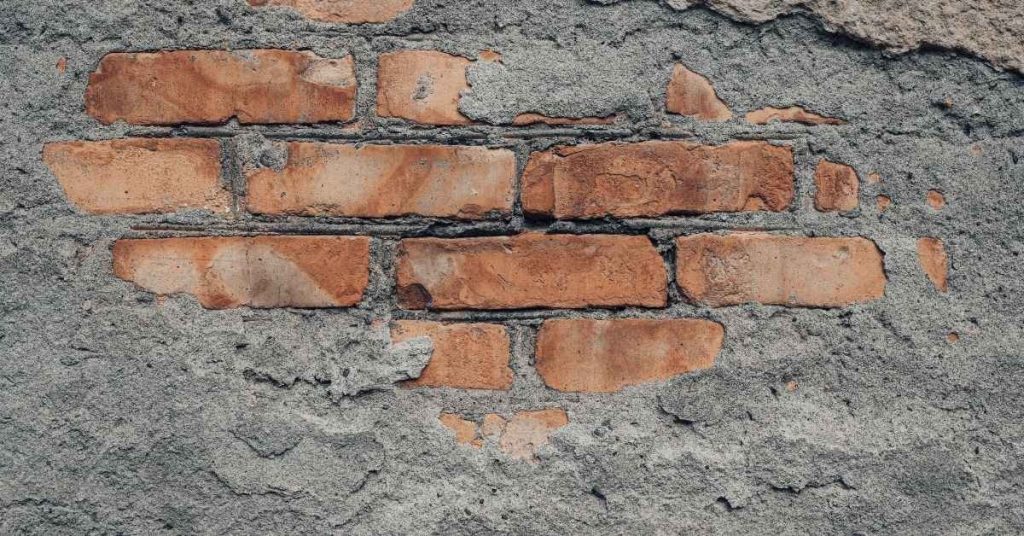
Partially covered brick wall with stucco and exposed bricks

Stucco Termination at Brick or Stone: A Step-by-Step Timeline for DIY Success

Introduction The transition from stucco to brick or stone is a critical detail in any construction project, but it doesn’t have to be time-consuming. With the right planning and execution, you can complete this task efficiently. In this guide, we’ll break down the process into manageable steps, focusing on the timeline to help you understand

Stucco Termination at Brick or Stone: A Step-by-Step Timeline for DIY Success Read More »

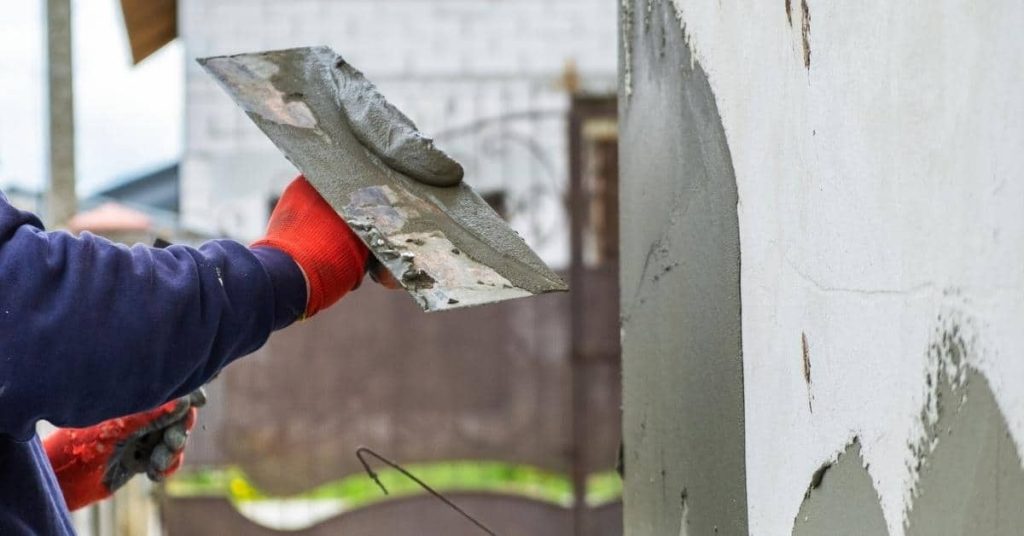
Hands wearing gloves applying stucco with trowel on wall

Stucco at Roof Parapets: Coping, Drips, and How to Stop Water From Getting Behind

Introduction Stucco at roof parapets is the exterior finish where the wall meets the top of a low roof and needs proper coping and drip details to keep water from getting behind the finish. Do a hands-on inspection for gaps, cracked stucco, or missing backer and check product labels and local rules for flashing, sealants,

Stucco at Roof Parapets: Coping, Drips, and How to Stop Water From Getting Behind Read More »

Hands removing electrical wire from wall outlet box

Stucco Penetrations for Electrical Conduit: Sleeve Details That Stay Dry

Introduction Stucco penetrations for electrical conduit are the sleeve and sealing details that keep water out where the conduit passes through the stucco wall. In practice that means a rigid sleeve or short piece of conduit, a backing, and a proper sealant or flashing so water sheds away from the opening; check product labels and

Stucco Penetrations for Electrical Conduit: Sleeve Details That Stay Dry Read More »

Slate roof with metal flashing at roof-to-wall joint

Stucco Around Roof-to-Wall Kickout Flashing: Fixing the Most Common Leak Detail

Introduction Stucco around roof-to-wall kickout flashing is the detail where the siding meets the roof and the flashing diverts water away from the wall; fixing it means making sure the flashing, substrate, and stucco meet cleanly so water can’t get behind the finish. This is a hands-on job that usually involves removing a bit of

Stucco Around Roof-to-Wall Kickout Flashing: Fixing the Most Common Leak Detail Read More »

Worker smoothing stucco on wall with hawk tool

Removing Loose Stucco Safely: Dust Control, Cut Lines, and How to Protect the WRB

Introduction Removing loose stucco safely means knocking out and replacing only the failing material while keeping dust off you and your house and protecting the weather-resistive barrier behind it. Start by finding the delaminated areas with a tap test and visual checks, then plan cuts and containment before you touch the wall. Use dust control

Removing Loose Stucco Safely: Dust Control, Cut Lines, and How to Protect the WRB Read More »

Damaged stucco with blue reinforcing mesh exposed

Repairing Stucco Soffits: Gravity, Fasteners, and Crack-Resistant Mesh Layout

Introduction Repairing stucco soffits means fixing the underside of eaves where stucco has cracked, sagged, or pulled away using proper support, fasteners, and mesh so the repair resists gravity and future movement. Start by assessing the damage and plan how gravity fasteners and mesh will transfer loads back to solid framing; check product labels and

Repairing Stucco Soffits: Gravity, Fasteners, and Crack-Resistant Mesh Layout Read More »

Two construction workers applying stucco to exterior wall

Dash Finish Stucco Repair: Getting Consistent Throw Without Overbuilding Thickness

Introduction Dash finish stucco repair means rethrowing a coarse mix so it keys to the patch without building the wall thickness beyond the original surface. Think of it as matching texture by controlling how far and thick each throw lands rather than piling on extra material. Check product labels and local practices for compatible scratch/base

Dash Finish Stucco Repair: Getting Consistent Throw Without Overbuilding Thickness Read More »