Search Results for: decorative Concrete Paint for Patios

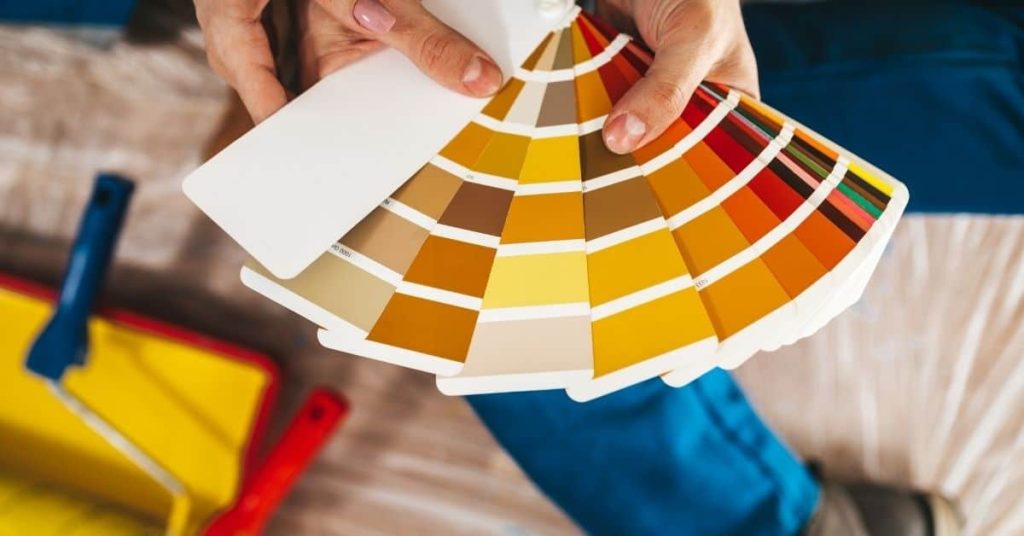
Person holding color swatch fan with brown and orange shades

Color Hardener vs Integral Color: Cost, Wear, and Fade Compared

Introduction Color hardener and integral color are two concrete coloring options that change the surface look. Color hardener sits on top and colors the surface after mixing, while integral color mixes in with the concrete. This article keeps it plain and practical for DIY projects, with quick notes on how they’re applied and what to […]

Color Hardener vs Integral Color: Cost, Wear, and Fade Compared Read More »
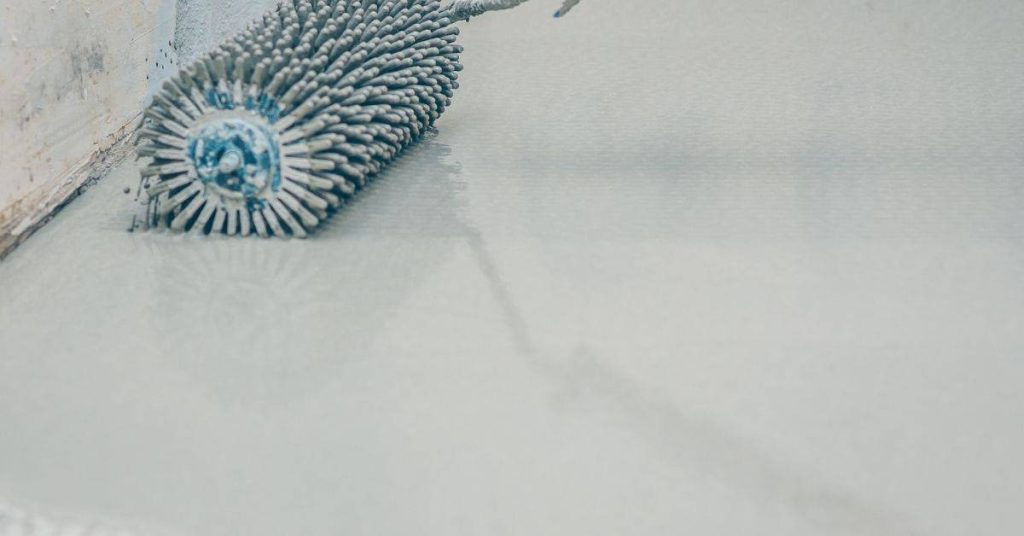
Spiked roller tool on wet floor coating surface

Polyaspartic Floor Coatings for DIY: Working Time, Odor, and Surface Prep Requirements

Introduction Polyaspartic floor coatings are fast-curing two-part coatings used to protect and finish concrete, and for a DIYer that means short working time, noticeable odor, and careful surface prep. Think like a tradesperson: plan your mixing and application in short, deliberate steps and check the product label for working time, recommended respirators, and substrate requirements.

Polyaspartic Floor Coatings for DIY: Working Time, Odor, and Surface Prep Requirements Read More »

Hand smoothing plaster on wall with a trowel

Bull Floating vs Magnesium Floating: When Each Surface Is Better for Finishes

Introduction Bull floating uses a wide, rigid tool to flatten and level fresh concrete quickly while magnesium floating uses a lighter, textured board to work the surface finer; choose the tool that matches where you are in the finishing sequence and the look you want. In practice that means use a bull float early to

Bull Floating vs Magnesium Floating: When Each Surface Is Better for Finishes Read More »

Person applying stain to outdoor wooden table with brush

Integral Color vs. Stain vs. Dye: A Homeowner Decision Guide by Location

Introduction Integral color is color mixed into the concrete mix before it sets. Stain and dye sit on or in the surface rather than throughout the slab. This guide helps homeowners decide by location and conditions. Applications differ: integral color is mixed in, stain is applied to the surface, and dye is usually sprayed or

Integral Color vs. Stain vs. Dye: A Homeowner Decision Guide by Location Read More »

Smooth concrete slab with visible control joint lines

How to Layout Control Joints for a Patio, Driveway, and Garage Slab

Introduction Control joints are intentional gaps placed in a concrete slab to control where it cracks. When laying out a patio, driveway, or garage slab, plan the joints to create a clean, predictable pattern that follows the overall shape. Check local rules and the product instructions for allowable spacing and methods before you start. Decide

How to Layout Control Joints for a Patio, Driveway, and Garage Slab Read More »

Form Release Alternatives: What to Use (and Not Use) on Plywood Forms

Form Release Alternatives: What to Use (And Not Use) on Plywood Forms

Introduction Choose a reliable form release method for plywood forms to ensure clean release and reusable assemblies. You’ll learn how different releases work, when to use wax, oil, or silicone-based options, and what to avoid to prevent staining or bonding failures. The guide walks through practical steps, common-sense rules of thumb, and examples of real-world

Form Release Alternatives: What to Use (And Not Use) on Plywood Forms Read More »

Termite Inspection Gap on Stucco: How to Create It Without Making the Wall Ugly

Termite Inspection Gap on Stucco: How to Create It Without Making the Wall Ugly

  Introduction A termite inspection gap on stucco can be created without compromising the wall’s appearance. This article explains practical steps, materials, and rules of thumb to keep the gap functional while remaining visually unobtrusive. You’ll learn how to locate, size, and finish the gap so inspections are thorough and the exterior stays clean. Key

Termite Inspection Gap on Stucco: How to Create It Without Making the Wall Ugly Read More »

Casing Bead Vs J-Bead Vs L-Bead: Where Each Belongs Around Openings

Casing Bead Vs J-Bead Vs L-Bead: Where Each Belongs Around Openings

Introduction Casing bead, J-bead, and L-bead each serve different roles around openings, so choosing the right one improves fit, protection, and finish. This guide explains when to use each bead type and walks through practical tips, common installation scenarios, and rules of thumb you can apply on real projects. You’ll learn how to assess reveals,

Casing Bead Vs J-Bead Vs L-Bead: Where Each Belongs Around Openings Read More »

Efflorescence Remediation: the Simple Cleaning Method That Most Diyers Overlook

Efflorescence Remediation: the Simple Cleaning Method That Most Diyers Overlook

Introduction Efflorescence remediation is a simple cleaning method that most DIYers overlook. This article explains why the white salt deposits appear and how a practical approach can restore masonry without harsh scrubbing. You’ll learn the basic steps, common tips, and best practices to prevent recurrence so you can tackle the problem confidently. Key takeaways Identify

Efflorescence Remediation: the Simple Cleaning Method That Most Diyers Overlook Read More »

Calculating How Much 2a Gravel You Need: Simple Volume and Weight Formulas for Diyers

Calculating How Much 2a Gravel You Need: Simple Volume and Weight Formulas for Diyers

Introduction You can calculate the exact volume and weight of 2a gravel you need using simple, reliable formulas. This overview explains why accurate estimates matter and shows you how to estimate quantities for projects like driveways, paths, and garden beds. You’ll learn practical steps, common unit conversions, and rules of thumb to help you order

Calculating How Much 2a Gravel You Need: Simple Volume and Weight Formulas for Diyers Read More »