Search Results for: core drilling

Construction workers reviewing blueprints on table

Construction Joint Waterstops: PVC vs Bentonite vs Hydrophilic (How to Choose)

Introduction Waterstops for construction joints are barriers installed in concrete joints to prevent leaks. PVC, bentonite, and hydrophilic types each work differently, and the choice depends on how the joint will be used. Check the product label, follow manufacturer instructions, and confirm local rules before installing. PVC waterstops are a common rigid option you position […]

Construction Joint Waterstops: PVC vs Bentonite vs Hydrophilic (How to Choose) Read More »
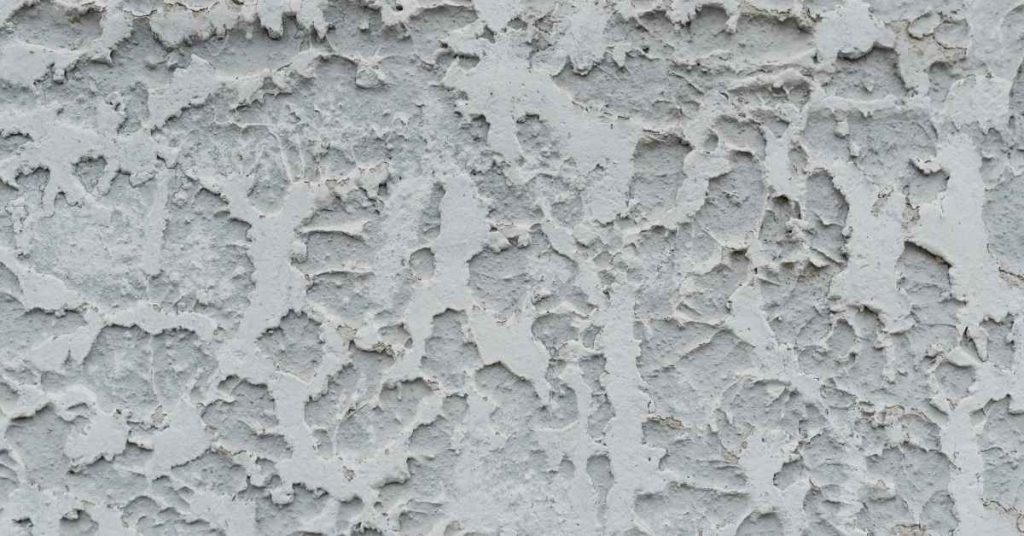
Close-up of rough textured gray stucco wall surface

How to Identify EIFS vs Hard-Coat Stucco: Simple On-Wall Tests

Introduction EIFS is an exterior insulation system with a foam board base and a thin textured finish, while hard-coat stucco is a cement-based, multi-layered plaster bonded to masonry or a lath substrate. In plain jobsite terms: EIFS feels lighter and can have a separation behind the finish, whereas hard-coat stucco is rigid and is trowel-applied

How to Identify EIFS vs Hard-Coat Stucco: Simple On-Wall Tests Read More »

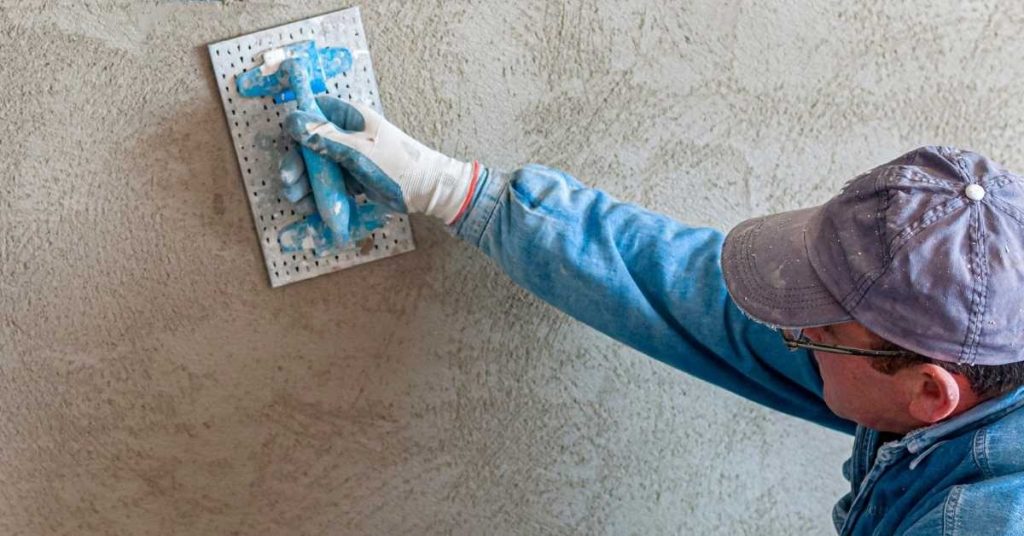
Worker smoothing fresh stucco on wall with trowel

Stucco Moisture Meter Readings Explained: When High Numbers Matter and When They Don’t

Introduction Stucco moisture meter readings are simply numbers that tell you how much moisture a meter senses in the wall material and whether that moisture might need attention. Think of the reading as one piece of a hands-on inspection—compare it to what you see on the surface and to any invasive checks before deciding if

Stucco Moisture Meter Readings Explained: When High Numbers Matter and When They Don’t Read More »

Close-up of blue stucco wall texture

Diagnosing Moisture Behind Stucco: Basic Probe Holes, Borescopes, and What to Look For

Introduction Diagnosing moisture behind stucco means checking for where water has crossed the exterior and is wetting the wall assembly; that can be done with basic probe holes, borescopes, and non‑invasive tools to confirm wet areas. Start by looking for staining, soft or sagging finishes, efflorescence, or indoor musty odors that suggest intrusion, and use

Diagnosing Moisture Behind Stucco: Basic Probe Holes, Borescopes, and What to Look For Read More »

Person smoothing plaster on ceiling with trowel

Fixing Plaster Cracks at Ceiling Medallions: Stress Relief Cuts and Rebuild Strategy

Introduction Fixing plaster cracks at ceiling medallions means cutting relief gaps to stop old stresses and then rebuilding the substrate so the medallion sits on sound plaster, not cracked or loose bits. Start by exposing the damaged area cleanly, check the lath condition and how the medallion is attached, and decide whether to repair lath

Fixing Plaster Cracks at Ceiling Medallions: Stress Relief Cuts and Rebuild Strategy Read More »

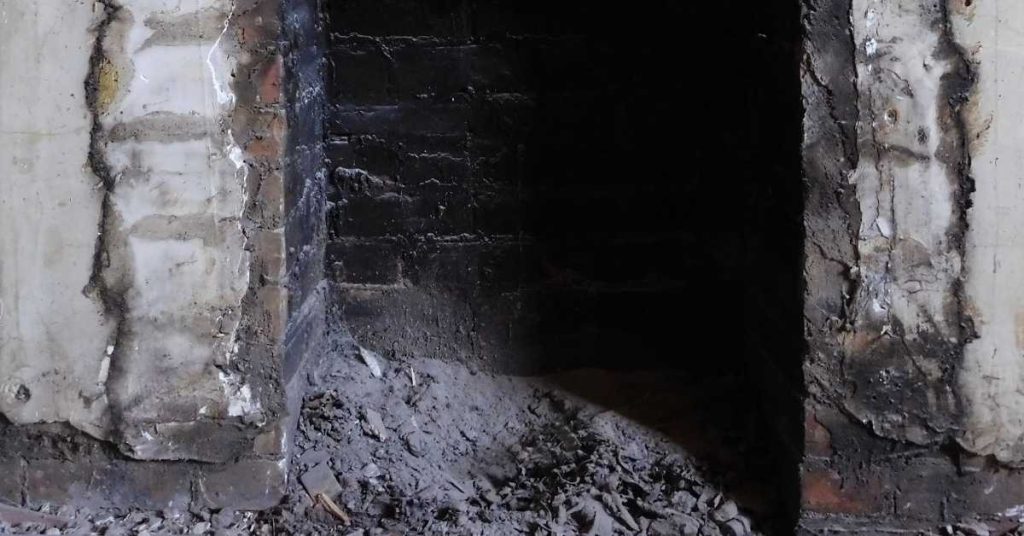
Inner brick fireplace with crumbling plaster on sides

Plaster Delamination ‘Bubbles’: Timeline for Reattachment Without Big Tear-Out

Introduction The timeline of fixing plaster delamination ‘bubbles’ is crucial to minimize damage and maintain your home’s structural integrity. Understanding the duration of each step helps you plan effectively. From initial assessment to final touch-ups, this guide walks you through the process, ensuring you allocate sufficient time for each task. For the full guide, see

Plaster Delamination ‘Bubbles’: Timeline for Reattachment Without Big Tear-Out Read More »

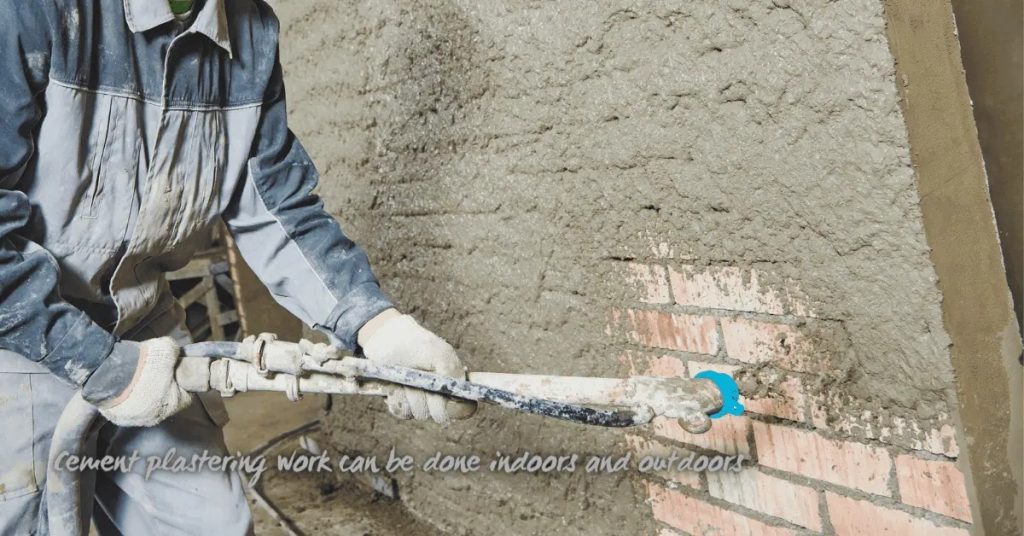
Worker spraying cement plaster on brick wall indoors

Bonding Old to New Concrete at Vertical Faces: Keys, Dowels, and Epoxy vs Cement Slurry

Introduction Bonding old to new concrete at a vertical face means creating a mechanical and/or adhesive connection so the new pour acts like part of the same structure. That usually comes down to creating keys or dowels for mechanical interlock and choosing an appropriate bonding agent—epoxy or cement slurry—based on strength needs and manufacturer instructions.

Bonding Old to New Concrete at Vertical Faces: Keys, Dowels, and Epoxy vs Cement Slurry Read More »

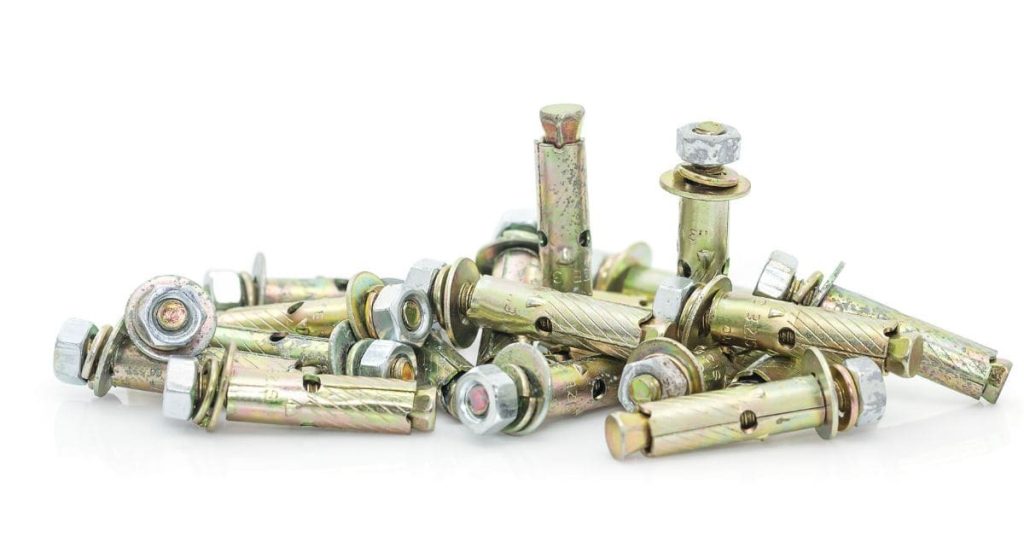
pile of metal expansion anchor bolts on white background

How to Patch an Over-Drilled Anchor Hole in Concrete Without Losing Strength

Introduction Patching an over-drilled anchor hole in concrete without losing strength means cleaning the hole, choosing a compatible filler or epoxy, and installing the repaired anchor so the load transfers into sound material. This is a hands-on fix: identify whether the hole is shallow, deep, or into cracked concrete and pick a material rated for

How to Patch an Over-Drilled Anchor Hole in Concrete Without Losing Strength Read More »

Close up of concrete formwork with rebar and anchor rods

Edge Distance Rules for Concrete Anchors: Practical Layout to Avoid Blowouts

Introduction Edge distance rules for concrete anchors mean keeping anchors far enough from slab edges, joints, and other anchors so the concrete can carry the load without cracking or breaking out. In practice that means planning layout with the anchor type, concrete strength, edge quality, and load direction in mind. Check the anchor manufacturer instructions

Edge Distance Rules for Concrete Anchors: Practical Layout to Avoid Blowouts Read More »

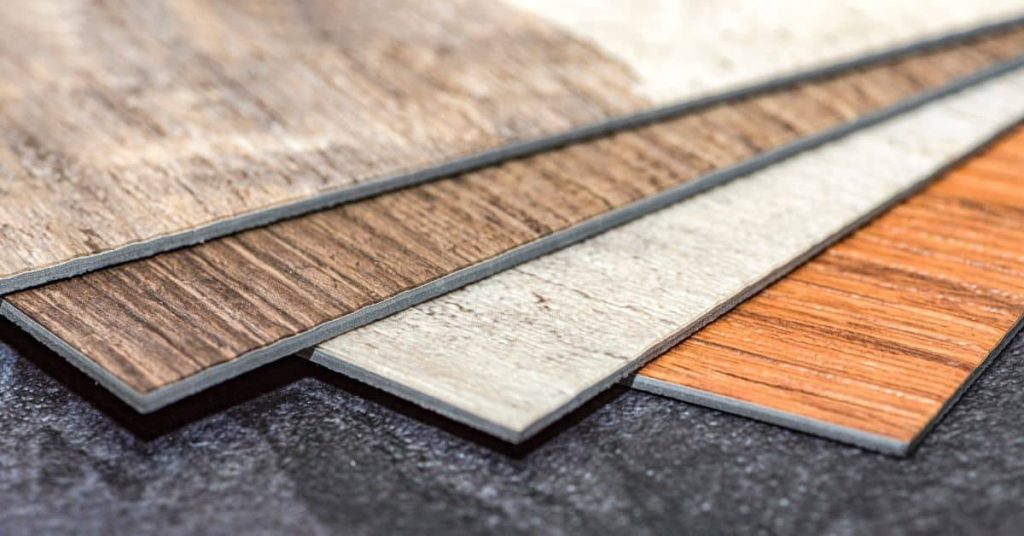
Close-up of various vinyl flooring plank samples in different wood tones

Calcium Chloride and RH Testing Explained: When DIY Tests Aren’t Enough for Flooring

Introduction Calcium chloride tests measure surface moisture and relative humidity (RH) tests measure internal moisture — use the one that fits your floor type and the manufacturer’s instructions. For DIYers, a calcium chloride kit can show if the surface is shedding moisture but it won’t tell you slab RH or moisture vapor drive, so check

Calcium Chloride and RH Testing Explained: When DIY Tests Aren’t Enough for Flooring Read More »