Search Results for: control joint

How to Resurface a Spalled Concrete Garage Floor Without Full Replacement

How to Resurface a Spalled Concrete Garage Floor Without Full Replacement

Introduction You can resurface a spalled concrete garage floor without full replacement by applying a concrete resurfacer and following proper prep steps. This guide walks you through the prep, repair, and finishing steps, plus practical tips for achieving a durable, smooth surface. You’ll learn what materials work best, how to patch spalls, and how to […]

How to Resurface a Spalled Concrete Garage Floor Without Full Replacement Read More »

How to Prep and Repair Cracked Concrete Before Painting or Staining

How to Prep and Repair Cracked Concrete Before Painting or Staining

Introduction Prep and repair cracked concrete before painting or staining to ensure a smooth, durable finish. You’ll learn practical steps for assessing cracks, cleaning the surface, choosing patching materials, and applying sealers or coatings. The guide also covers timing, curing tips, and what to expect in terms of results, so you can plan a long-lasting

How to Prep and Repair Cracked Concrete Before Painting or Staining Read More »

Estimating Labor Vs. Pump Hire Costs for Small Residential Concrete Pours

Estimating Labor Vs. Pump Hire Costs for Small Residential Concrete Pours

Introduction For small residential concrete pours, labor costs typically outweigh pump hire costs. This guide walks you through how to compare crew time versus equipment rental, estimate totals, and spot when a pump saves money, with practical tips and common-sense rules of thumb. Related: Comparing Pump Mix Concrete and Traditional Concrete: Which is Better?. Key

Estimating Labor Vs. Pump Hire Costs for Small Residential Concrete Pours Read More »

How to Pour Blinding Concrete for Slab Prep: Diy Steps, Thickness, and Mix Ratios

How to Pour Blinding Concrete for Slab Prep: Diy Steps, Thickness, and Mix Ratios

Introduction Pour a durable blinding concrete slab for slab prep by following proper thickness, mix ratios, and placement techniques. You’ll learn how to determine appropriate thickness for slab prep, select and measure mix ratios, and execute mixing, pouring, and finishing steps with practical tips; the guide also covers safety considerations and common troubleshooting to help

How to Pour Blinding Concrete for Slab Prep: Diy Steps, Thickness, and Mix Ratios Read More »

Blinding Concrete Vs Pcc for Driveway Bases: Which to Use and Why for Small Projects

Blinding Concrete vs PCC for a Small Driveway: What Each Layer Does

Introduction For most small driveways, this is not a choice between two interchangeable bases. Blinding is usually a thin, lean, non-structural working layer. PCC can mean plain cement concrete used as a structural base or as the finished concrete driveway slab, depending on local terminology. The driveway’s ability to carry vehicles normally comes from stable,

Blinding Concrete vs PCC for a Small Driveway: What Each Layer Does Read More »

Diy Fixes for Voids Under Concrete Slabs: When to Use Grout Undersealing Vs Re-Pouring Pcc

Diy Fixes for Voids Under Concrete Slabs: When to Use Grout Undersealing Vs Re-Pouring Pcc

Introduction Grout undersealing is best for small, stable voids, while re-pouring PCC is needed for larger or structurally compromised slabs. The guide walks you through practical steps to assess voids, decide the right fix, and implement safe, effective DIY repairs. Related: Blinding Concrete vs PCC: Understanding and Solutions. Key takeaways Identify slab voids by persistent

Diy Fixes for Voids Under Concrete Slabs: When to Use Grout Undersealing Vs Re-Pouring Pcc Read More »

A Gravel Vs. Crushed Stone Choosing the Right Aggregate for Your Concrete Slab

A Gravel Vs. Crushed Stone: Choosing the Right Aggregate for Your Concrete Slab

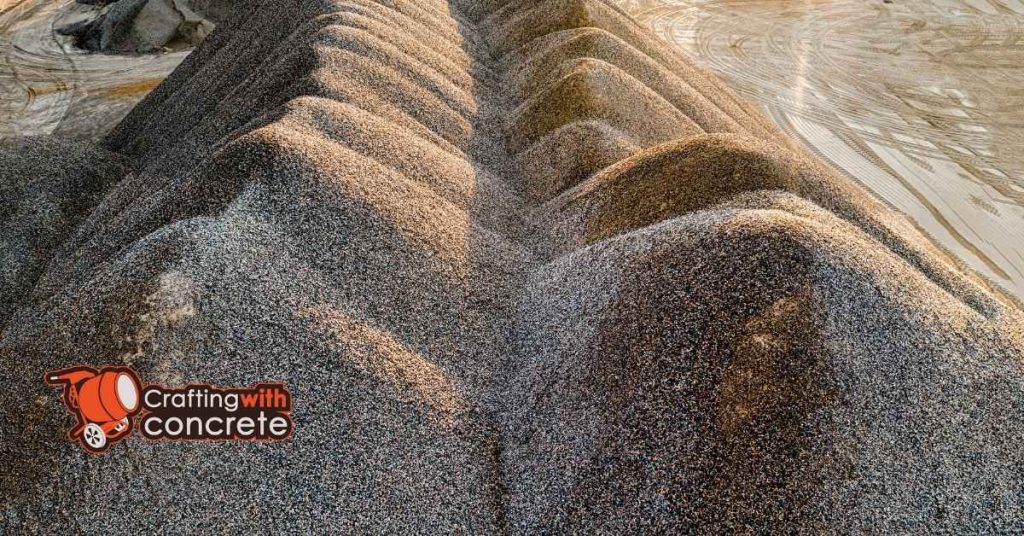
Introduction Gravel and crushed stone are both viable aggregates for concrete slabs, but the choice affects drainage, compaction, and cost. You’ll learn how to evaluate site conditions, select the appropriate size and type, and apply practical tips for achieving a solid, long-lasting slab. The guide walks through common considerations and simple rules of thumb for

A Gravel Vs. Crushed Stone: Choosing the Right Aggregate for Your Concrete Slab Read More »

How to Repair Hairline and Structural Cracks in a Concrete Driveway: Tools, Materials, and Step-by-Step

How to Repair Small Cracks in a Concrete Driveway—and When to Call a Pro

Introduction Table of Contents Introduction Key takeaways Why Driveways Crack — Types and Causes Assessing Severity: DIY Diagnostics & When to Call a Professional Tools, PPE, and Safety Checklist Materials and How to Choose Them (Sealants, Epoxies, Patching Compounds) Preparation and Cleaning: Getting the Crack Ready Step-by-Step Repair for Hairline and Small Cracks Step-by-Step Repair

How to Repair Small Cracks in a Concrete Driveway—and When to Call a Pro Read More »

Diy: Pouring a Small Concrete Patio Pad — Forms, Mixes, Reinforcement, and Finishing

Diy: Pouring a Small Concrete Patio Pad — Forms, Mixes, Reinforcement, and Finishing

Introduction You can pour a small concrete patio pad yourself by handling forms, choosing a suitable concrete mix, adding reinforcement, and finishing cleanly. The guide walks through practical guidance on planning, material choices, reinforcement placement, pour technique, and finishing details to help you achieve a durable, level surface. Related: How Much Weight Can a 2×6

Diy: Pouring a Small Concrete Patio Pad — Forms, Mixes, Reinforcement, and Finishing Read More »

Diy Pet-Friendly Concrete Finishes: Creating Non-Slip, Paw-Safe Textures for Outdoor Walks

Diy Pet-Friendly Concrete Finishes: Creating Non-Slip, Paw-Safe Textures for Outdoor Walks

Introduction Create non-slip, paw-safe concrete finishes for outdoor walks that you can achieve with DIY methods. You’ll learn practical steps, tips, and considerations to create textured surfaces that improve traction, durability, and dog safety, along with simple tests and maintenance ideas. The guide walks through choosing textures, applying finishes, and evaluating grip to help you

Diy Pet-Friendly Concrete Finishes: Creating Non-Slip, Paw-Safe Textures for Outdoor Walks Read More »