Search Results for: control joint

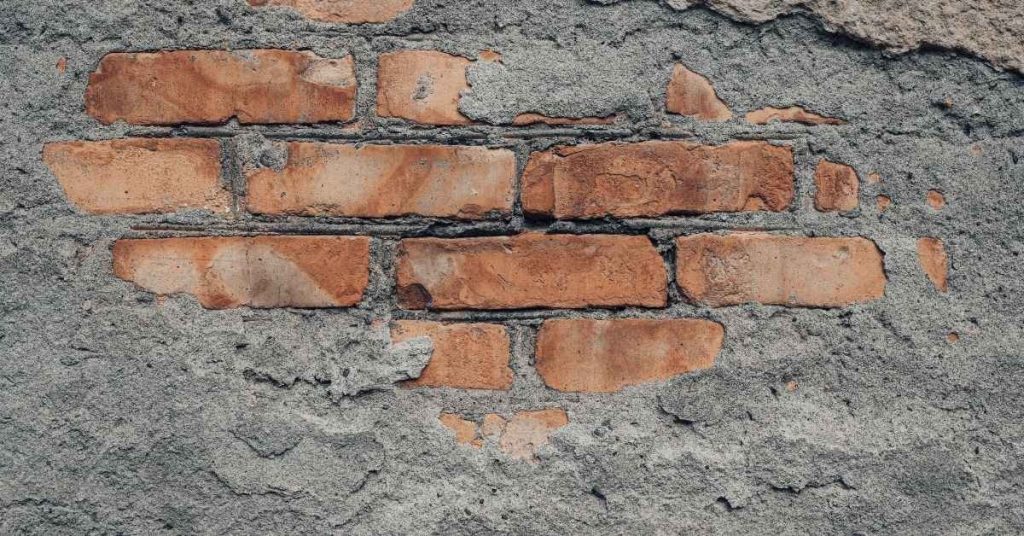
Partially covered brick wall with stucco and exposed bricks

Stucco Termination at Brick or Stone: A Step-by-Step Timeline for DIY Success

Introduction A stucco edge beside brick or stone is not one universal detail. The correct termination depends on the stucco system, the wall’s drainage plane, and whether the masonry is full-bed masonry, adhered veneer, framed veneer, a jamb, a roof intersection, or a base-of-wall condition. A visible joint can look simple while the flashing and […]

Stucco Termination at Brick or Stone: A Step-by-Step Timeline for DIY Success Read More »

Hands removing electrical wire from wall outlet box

Stucco Penetrations for Electrical Conduit: Sleeve Details That Stay Dry

Introduction Stucco penetrations for electrical conduit are the sleeve and sealing details that keep water out where the conduit passes through the stucco wall. In practice that means a rigid sleeve or short piece of conduit, a backing, and a proper sealant or flashing so water sheds away from the opening; check product labels and

Stucco Penetrations for Electrical Conduit: Sleeve Details That Stay Dry Read More »

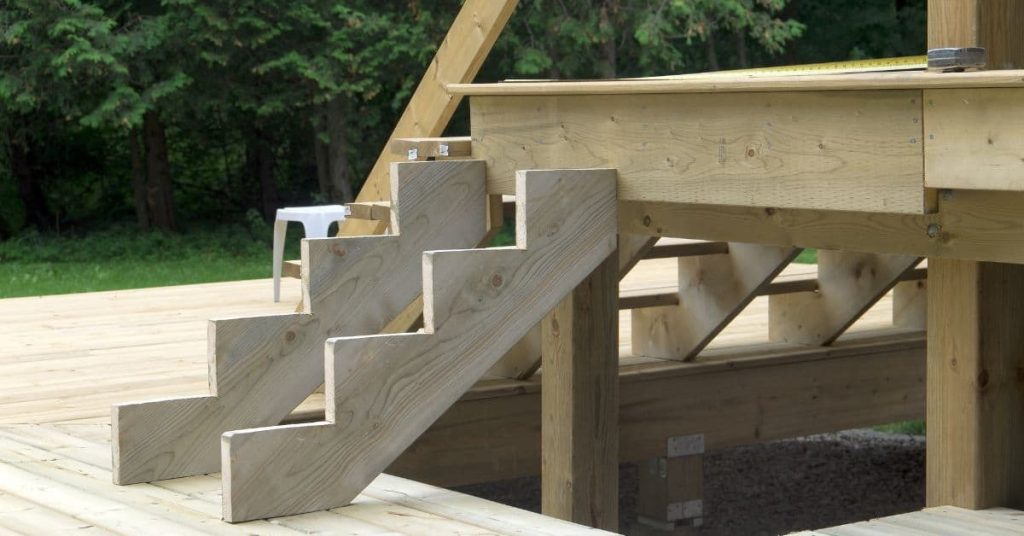
Wooden stair stringers attached to deck framing outdoors

Deck Ledger Through Stucco: Retrofit Flashing Strategy That Preserves Drainage

Introduction Deck ledger through stucco means installing the ledger board and flashing so water shed from the deck doesn’t get behind the stucco; it’s a retrofit move to tie the ledger into the house while preserving the wall’s drainage plane. This usually involves removing a section of stucco and lath to access the sheathing or

Deck Ledger Through Stucco: Retrofit Flashing Strategy That Preserves Drainage Read More »

Paint roller applying gray paint on white wall

Distressing Paint the Right Way: A Weekend Project Timeline

Introduction Transforming furniture with distressed paint doesn’t have to be a lengthy process. With the right plan and techniques, you can achieve a beautiful, lived-in look in just a couple of weekend sessions. In this guide, we’ll break down the distressing paint process into manageable steps, focusing on the timeline so you can complete your

Distressing Paint the Right Way: A Weekend Project Timeline Read More »

Hand wearing glove spraying liquid from paint spray gun

DIY Spray Booth Ventilation: Timeline and Step-by-Step Guide

Introduction Setting up a DIY spray booth ventilation system can seem daunting, but with the right plan and timeline, it’s achievable in a weekend. This guide walks you through each step, from planning to installation, ensuring you stay on track and within your desired timeframe. Before you start, gather all necessary tools and materials. This

DIY Spray Booth Ventilation: Timeline and Step-by-Step Guide Read More »

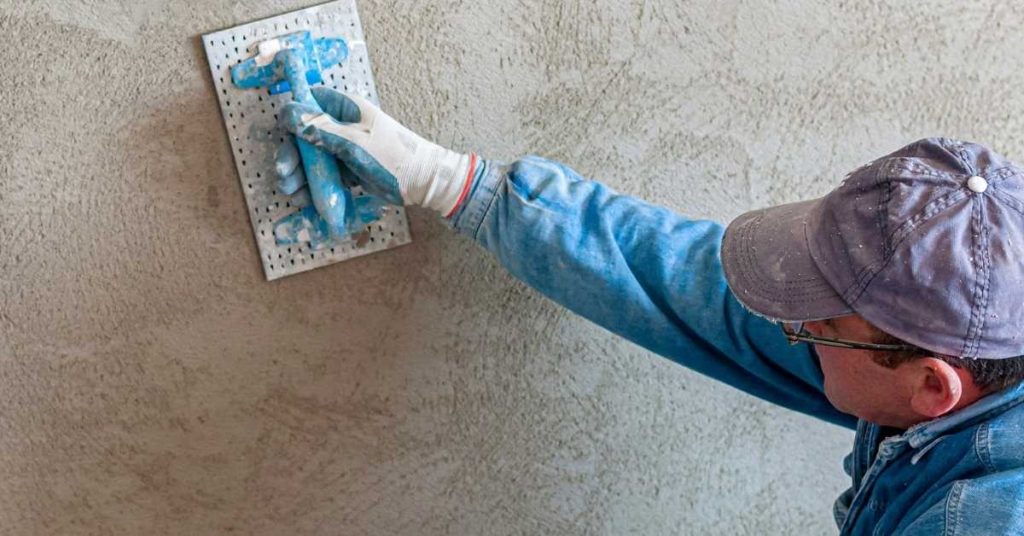
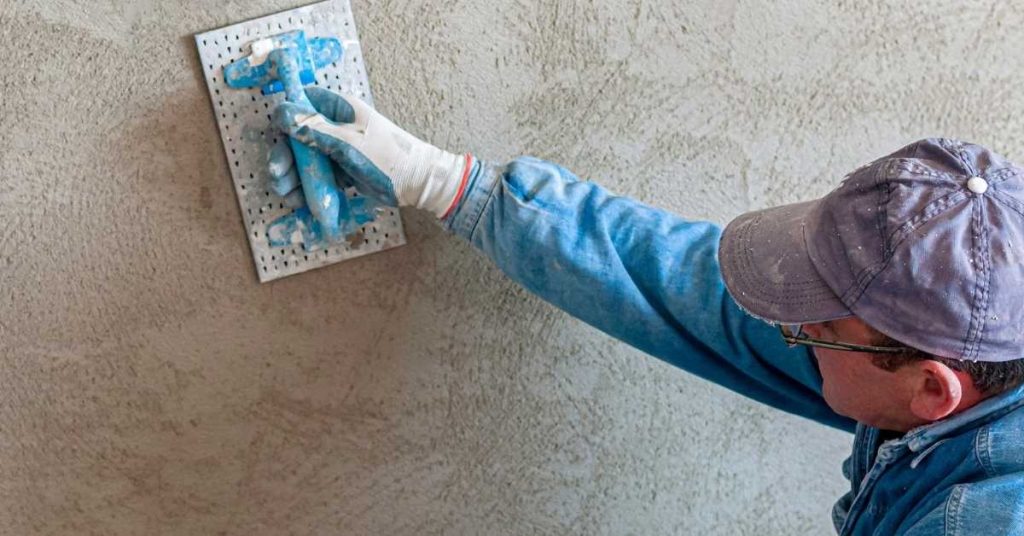
Person applying skip-trowel stucco texture with trowel

Matching Lace and Skip-Trowel Stucco: Hand Techniques That Hide Patch Edges

Introduction Matching lace and skip-trowel stucco means using hand tools and mixing consistency to recreate the same rhythm of bumps and voids so patch edges disappear into the existing wall. I’ll describe the basic hand techniques, the common tools and materials you’ll need, and what to watch for so the repair blends instead of standing

Matching Lace and Skip-Trowel Stucco: Hand Techniques That Hide Patch Edges Read More »

Close-up of weathered pink stucco wall texture

Making Stucco Sample Boards: Test Panels That Predict Color and Texture

Introduction Making stucco sample boards means applying small, finished panels that show how a specific mix, color, and texture will look on the real wall. These test panels let you see drying color shifts, surface texture, and how the base and finish layers interact before you commit to the whole job. Keep the process hands-on:

Making Stucco Sample Boards: Test Panels That Predict Color and Texture Read More »

Worker smoothing fresh stucco on wall with trowel

Using Acrylic-Modified Stucco for Patches: Where It’s Smart and Where It Causes Issues

Introduction Acrylic-modified stucco is a cement-lime stucco mix blended with acrylic polymers to improve adhesion and flexibility for patching and thin coats. In plain jobsite terms, it sticks better to sound substrates and tolerates slight movement more than plain cement stucco, but check the product label and manufacturer instructions for proper uses and mixing. Use

Using Acrylic-Modified Stucco for Patches: Where It’s Smart and Where It Causes Issues Read More »