Search Results for: control joint stucco

close-up of weathered pink stucco wall with some peeling

Fog Coating Stucco Explained: When a Thin Coat Beats a Full Repaint

Introduction Fog coating stucco is a very thin skim of paint-like material applied over existing stucco to even out color and hide minor texture issues without stripping and redoing the whole surface. Think of it as a light cosmetic refresh rather than a full repaint or re-stucco, useful when the substrate is sound but tired-looking. […]

Fog Coating Stucco Explained: When a Thin Coat Beats a Full Repaint Read More »

Hands holding a stud finder and marking a wall with a pencil

Stucco Efflorescence That Keeps Returning: Moisture Path Checks and Long-Term Fixes

Introduction Stucco efflorescence that keeps returning is a salt deposit left when moisture repeatedly migrates through stucco and evaporates, and the fix starts with finding and stopping the moisture paths. Look for leaks, poor flashing, grade or drainage issues, and moisture sources inside the wall assembly; check product labels and manufacturer instructions for compatible sealers

Stucco Efflorescence That Keeps Returning: Moisture Path Checks and Long-Term Fixes Read More »

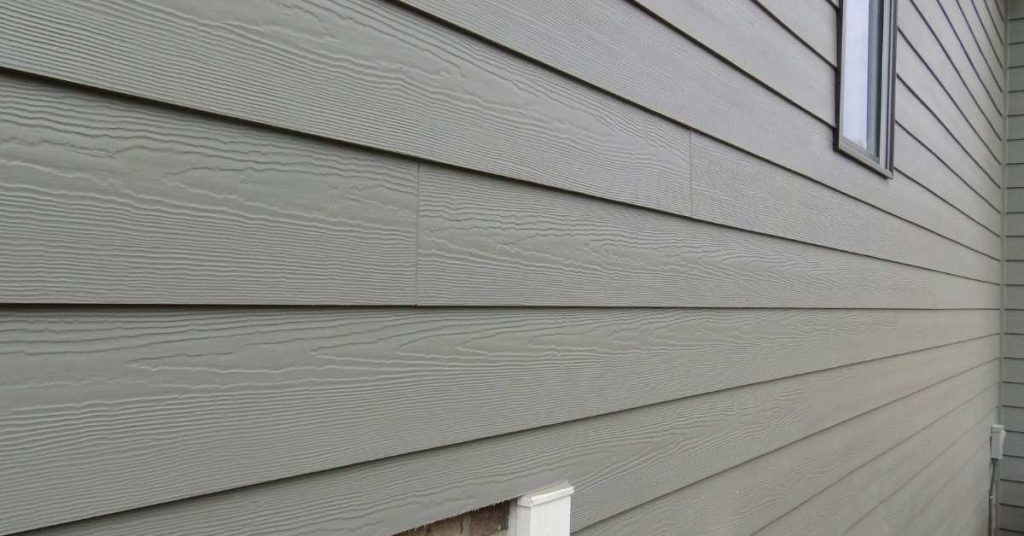
Close-up of gray fiber cement siding on house exterior

Stucco vs. Fiber Cement Siding: DIY Repairability and Long-Term Maintenance Compared

Introduction Stucco and fiber cement siding are two exterior materials, and this article compares their repairability and long-term maintenance. You’ll see practical, hands-on guidance on patching, replacing damaged sections, and what keeps these materials lasting. If a spec matters, check the product label, manufacturer instructions, and local rules before you dive in. From a DIY

Stucco vs. Fiber Cement Siding: DIY Repairability and Long-Term Maintenance Compared Read More »

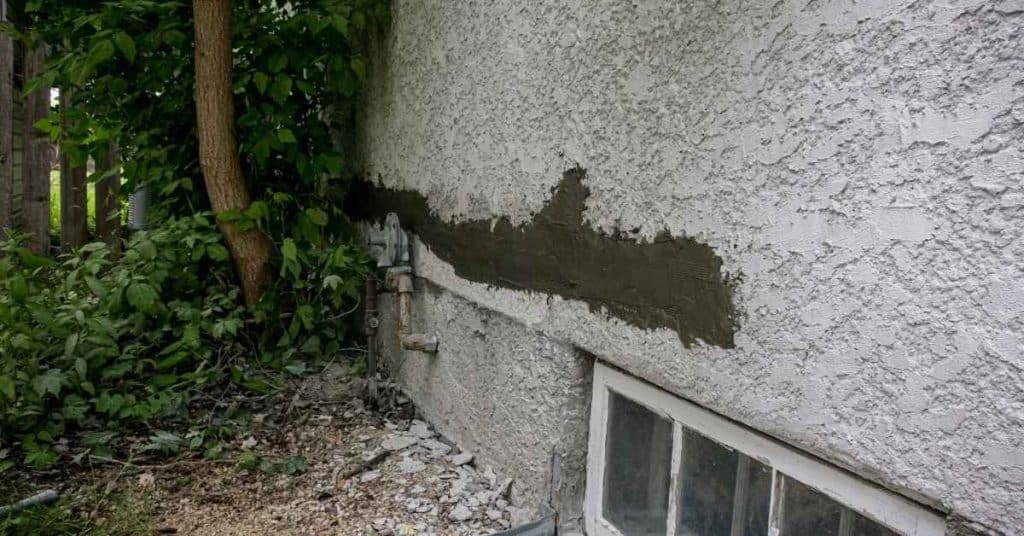
Stucco wall with fresh patch above basement window

How to Patch Stucco Where Lath Is Rusting: Cutback Limits, Fastener Choices, and Rebuild

Introduction This guide shows how to patch stucco when the metal lath under it is rusting. You’ll assess the damage, remove deteriorated material, and prepare the surface for repair. Keep the work conservative and follow safety and building guidance as you go. Cutback limits depend on the substrate and structure, so check manufacturer instructions and

How to Patch Stucco Where Lath Is Rusting: Cutback Limits, Fastener Choices, and Rebuild Read More »

blue stucco wall texture with varied surface depth

How to Seal Stucco Wall Penetrations With a Sleeve and Flange

Introduction A sleeve-and-flange detail can weather-seal a pipe, HVAC lineset, conduit, or listed wall termination through stucco—but it is not a universal recipe. The correct detail depends on what passes through the wall, the wall assembly, required clearances, and whether you can reconnect the water-resistive barrier (WRB) behind the stucco. Related guidance: Sealing Fasteners Through

How to Seal Stucco Wall Penetrations With a Sleeve and Flange Read More »

Worker spraying stucco onto a brick wall

Stucco Screed Beads and Termination Beads: Which Profile Goes Where (and Why It Matters)

Introduction Screed beads and termination beads are edge profiles used to shape and finish stucco at joints and edges. They help keep the finish straight and seal transitions where the stucco meets other surfaces. Check the product label and manufacturer guidance to ensure you’re matching the profile to your job and local rules. Plan where

Stucco Screed Beads and Termination Beads: Which Profile Goes Where (and Why It Matters) Read More »

closeup of red brick wall with mortar joints

Installing Expansion Joints in New Stucco: Simple Layout Rules for DIY Projects

Introduction Expansion joints are gaps that let stucco expand and contract without cracking. In new stucco, plan these joints where movement or stress is likely and at regular intervals. Keep joints clean and avoid sealing them with rigid materials. Where to place joints depends on wall size, substrate, and climate. Check manufacturer guidance and local

Installing Expansion Joints in New Stucco: Simple Layout Rules for DIY Projects Read More »

Hand wearing glove installing fastener into foam board insulation

Stucco Over Foam Board: Choosing Mesh Weights and Avoiding ‘Wavy Wall’ Syndrome

Introduction This article explains how to apply stucco over foam board and why mesh weight matters. You’ll learn about choosing the right mesh and what to watch for to keep the wall flat. We’ll keep it practical and hands-on, with steps you can check on the job site. Start by confirming your foam board and

Stucco Over Foam Board: Choosing Mesh Weights and Avoiding ‘Wavy Wall’ Syndrome Read More »

Close up of foam insulation and stucco edge

How to Repair a Missing Stucco ‘Drip Edge’ at Horizontal Bands (So Water Stops Tracking Back)

Introduction A missing stucco drip edge is the built‑in edge of the stucco that directs moisture away and stops water from tracking back into the wall. Without it, water can wend its way behind the band and cause staining or leaks. To fix it, plan to add proper edging or flashing where the horizontal band

How to Repair a Missing Stucco ‘Drip Edge’ at Horizontal Bands (So Water Stops Tracking Back) Read More »

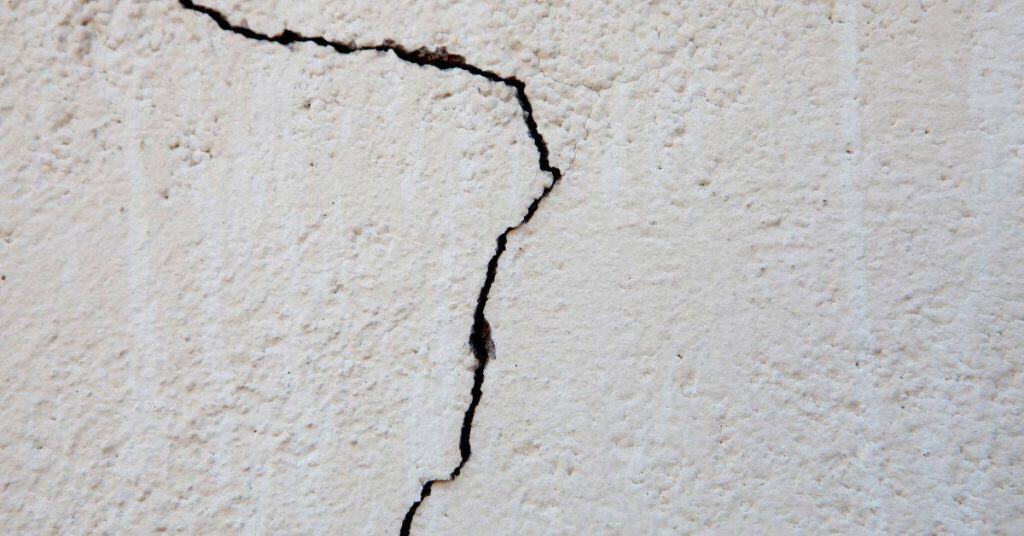
Closeup of cracked white stucco wall surface

Fixing Stucco Bubbling Under Paint: Moisture Sources, Drying Time, and Recoat Choices

Introduction Bubbling stucco under paint happens when moisture gets trapped and lifts both the stucco and the paint. Key takeaways Inspect bubbling areas for moisture signs before chipping or sanding anything. Differentiate active moisture from historic damage to plan repairs carefully. Trace water sources from roof, gutters, and plumbing to prevent recurrence. Allow substrate drying

Fixing Stucco Bubbling Under Paint: Moisture Sources, Drying Time, and Recoat Choices Read More »