Search Results for: contractor to pour concrete slab

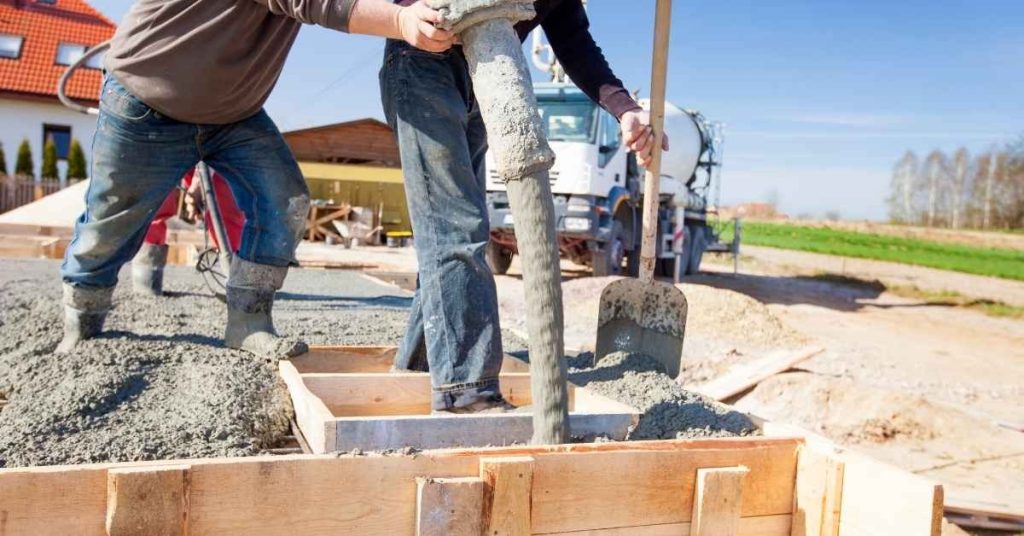
Workers pouring concrete into wooden frame outdoors

Stripping Concrete Sealer: Chemical vs grinding—what’s safer for your slab

Introduction Stripping concrete sealer boils down to choosing between chemical removal and grinding. Chemicals dissolve or soften the sealer, while grinding removes it by abrasion. For DIYers, weigh safety, dust control, and surface prep, and check labels and manufacturer instructions. Grinding creates dust and potential heat, while chemicals require ventilation and proper disposal. Adhesion of […]

Stripping Concrete Sealer: Chemical vs grinding—what’s safer for your slab Read More »

Close-up of a gray concrete slab surface with cracks and pitting

Concrete Dusting Floors: Why the surface powders and how to harden it

Introduction Concrete dusting is the surface powdering that happens when the upper layer of the concrete wears away, leaving a chalky film. It can occur from weak finishing, too much air in the mix, poor curing, or heavy traffic without protection. Understanding the signs helps you decide whether to protect, repair, or reseal the floor.

Concrete Dusting Floors: Why the surface powders and how to harden it Read More »

Two melting ice cubes on a white surface

Concrete Pop-Outs: Causes, repairs, and prevention for future winters

Introduction Concrete pop-outs are shallow, rounded chunks of concrete that lift away from the surface when the ground or the mix expands. They often come from moisture getting trapped under the slab, poor compaction, or steel reinforcement pushing outward. Weather conditions, especially rapid temperature shifts in winter, play a big role in how fast pop-outs

Concrete Pop-Outs: Causes, repairs, and prevention for future winters Read More »

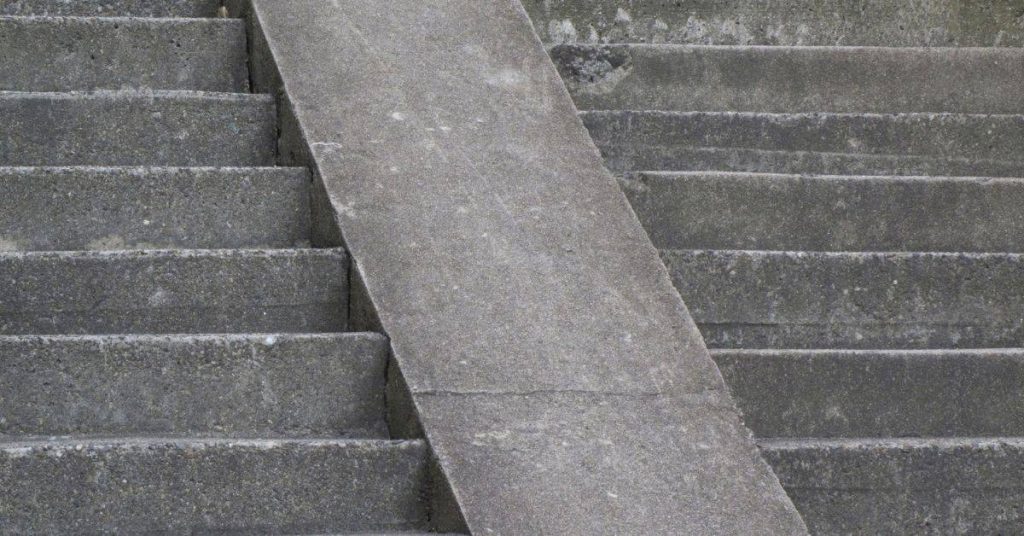
Concrete stairs with a smooth ramp in the middle

Concrete Scaling in Winter: Why the surface flakes and how to stop it

Introduction Concrete scaling in winter is when the top layer peels or flakes off because cold weather, moisture, and repeated freezing push water in and out. Cold temperatures slow curing and make water move through the surface, so you see scaling more on sidewalks, driveways, and slabs that get wet. Watch for slick, rough patches

Concrete Scaling in Winter: Why the surface flakes and how to stop it Read More »

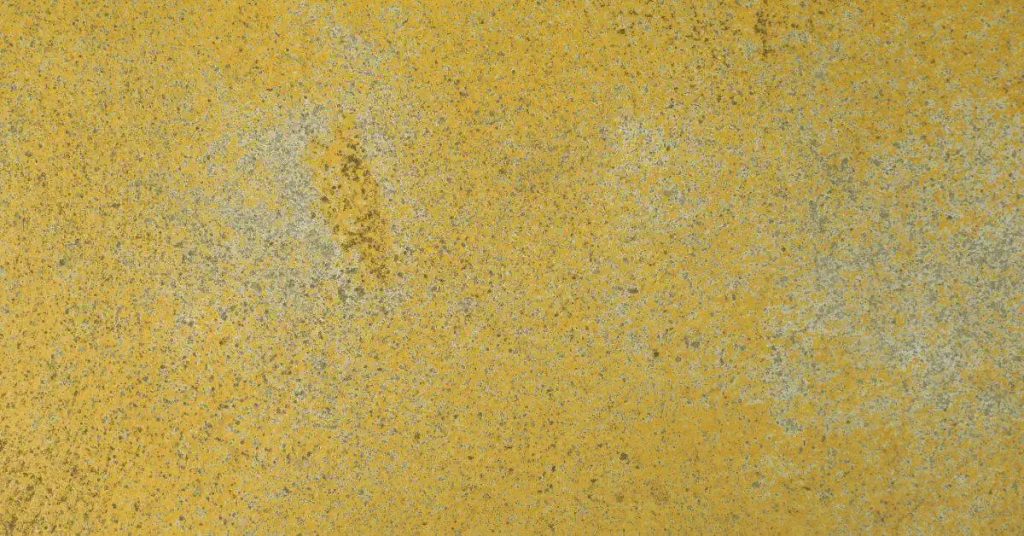
yellow stained concrete surface with varying texture

Concrete Surface Delamination: Causes, diagnosis, and repair that lasts

Introduction Delamination is the surface layer of concrete peeling or separating from the underlying concrete, creating a patchy, hollow feel. It often shows up as a dull patch that may flake or sound hollow when tapped. Lightly tapping suspect areas can help you spot where the top lift isn’t bonded well. To diagnose, look for

Concrete Surface Delamination: Causes, diagnosis, and repair that lasts Read More »

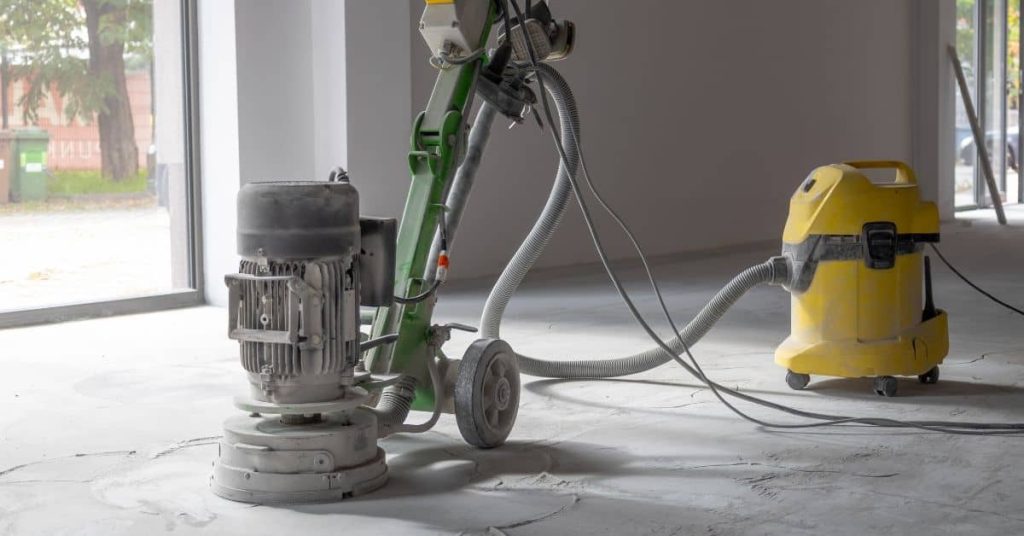
Concrete floor grinder connected to yellow vacuum cleaner

Bugholes on Formed Concrete: Vibration, release agents, and mix tweaks that help

Introduction Bugholes on formed concrete are small air cavities that mar the surface after form removal. They happen from trapped air, sticky release agents, or improper vibration. In DIY work, you can reduce them by adjusting how you vibrate, how you release the form, and how you mix your concrete. Use the right vibration technique

Bugholes on Formed Concrete: Vibration, release agents, and mix tweaks that help Read More »

Stacked precast concrete slabs outdoors at construction site

Wet Curing Concrete: Best methods for small slabs, steps, and patches

Introduction Wet curing is keeping fresh concrete moist after placement to allow proper hydration and development of strength. It helps minimize surface cracks and improves durability over time. For small slabs, patches, and steps, you’ll choose a method that suits the surface and weather while keeping the concrete consistently damp. Common methods include ponding water,

Wet Curing Concrete: Best methods for small slabs, steps, and patches Read More »

Concrete surface with small holes and surface pitting

Air Entrained Concrete: When it’s necessary and how to avoid surface pitting

Introduction Air entrained concrete is concrete that includes tiny air bubbles introduced by a special additive to improve its performance. These micro-bubbles help when water freezes and expands, reducing cracks in the slab. It’s a common choice for projects that sit outside or face temperature swings. Use is appropriate when you want a smoother surface

Air Entrained Concrete: When it’s necessary and how to avoid surface pitting Read More »