Search Results for: contractor cement

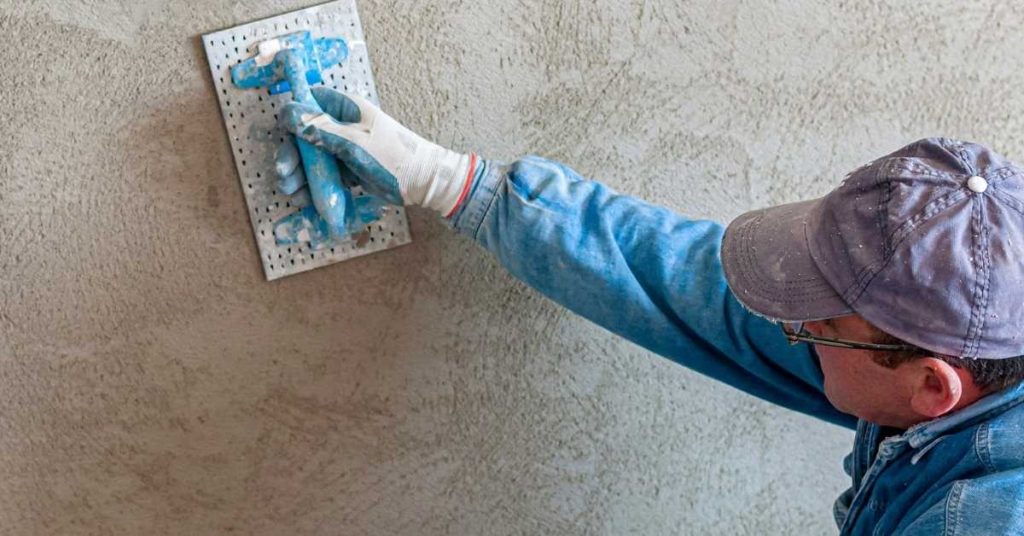
gray venetian plaster texture on masonry surface

Mineral Paint vs Acrylic on Masonry: Troubleshooting Common Issues and Fixes

Introduction Applying paint to masonry surfaces can present unique challenges. Whether you’re dealing with moisture issues, peeling paint, or color fading, understanding the differences between mineral and acrylic paints is key to troubleshooting common problems. In this guide, we’ll help you identify symptoms, diagnose underlying issues, and provide practical fixes tailored to each type of […]

Mineral Paint vs Acrylic on Masonry: Troubleshooting Common Issues and Fixes Read More »
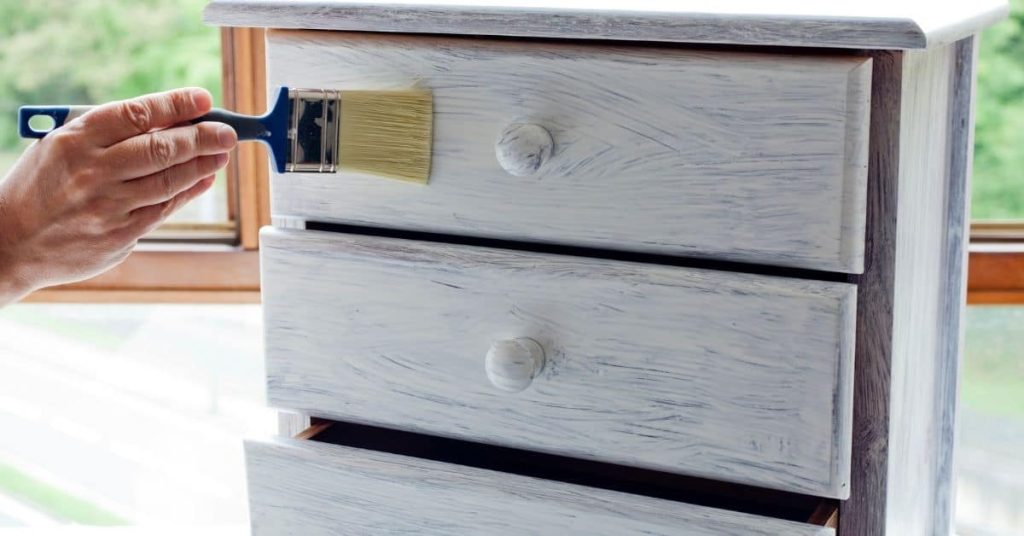
Hand holding paintbrush applying white paint on wooden dresser drawer

Back-Brushing and Back-Rolling After Spraying: Timing Techniques for Optimal Results

Introduction Timing is crucial when it comes to back-brushing and back-rolling after spraying. Do these techniques too early, and you risk ruining your freshly applied coating. Too late, and the material may not adhere properly. In this guide, we’ll walk you through the ideal timing for back-brushing and back-rolling, ensuring you achieve a smooth, even

Back-Brushing and Back-Rolling After Spraying: Timing Techniques for Optimal Results Read More »

Paint roller and putty knife on wooden surface

Heat Guns vs Infrared Paint Removal: Time-Saving Strategies and Project Timelines

Introduction When tackling paint removal projects, understanding the time commitment is crucial. Both heat guns and infrared paint removers speed up the process compared to manual scraping, but they differ in their time requirements. To help you plan your project effectively, let’s compare the timeline of using heat guns versus infrared paint removers, including prep

Heat Guns vs Infrared Paint Removal: Time-Saving Strategies and Project Timelines Read More »

Paint roller applying white paint on bathroom wall

Bathroom Paint Systems: A Step-by-Step Timeline for Long-Lasting Results

Introduction Repainting your bathroom can seem like a daunting task, especially when considering the unique challenges bathrooms present. But with a well-planned timeline and the right approach, you can achieve long-lasting results that will make your space look fresh and inviting. The key to a successful bathroom paint job is understanding the sequence of steps

Bathroom Paint Systems: A Step-by-Step Timeline for Long-Lasting Results Read More »

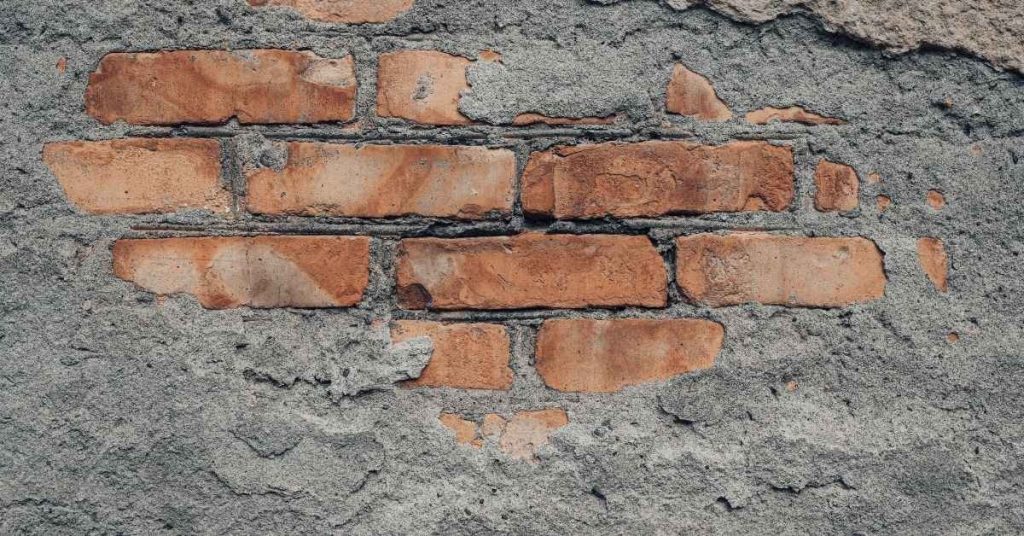
Partially covered brick wall with stucco and exposed bricks

Stucco Termination at Brick or Stone: A Step-by-Step Timeline for DIY Success

Introduction The transition from stucco to brick or stone is a critical detail in any construction project, but it doesn’t have to be time-consuming. With the right planning and execution, you can complete this task efficiently. In this guide, we’ll break down the process into manageable steps, focusing on the timeline to help you understand

Stucco Termination at Brick or Stone: A Step-by-Step Timeline for DIY Success Read More »

Man in red shirt working on pool deck with tools

Painting Pool Decks: Step-by-Step Timeline and Duration Guide

Introduction The timeline for painting pool decks is crucial to ensure a durable, long-lasting finish. Understanding the duration of each step helps you plan your project effectively. From surface preparation to final curing, this guide walks you through the process, helping you allocate time wisely and avoid common delays. For the full guide, see Painting

Painting Pool Decks: Step-by-Step Timeline and Duration Guide Read More »

Worker smoothing stucco on wall with hawk tool

Removing Loose Stucco Safely: Dust Control, Cut Lines, and How to Protect the WRB

Introduction Removing loose stucco safely means knocking out and replacing only the failing material while keeping dust off you and your house and protecting the weather-resistive barrier behind it. Start by finding the delaminated areas with a tap test and visual checks, then plan cuts and containment before you touch the wall. Use dust control

Removing Loose Stucco Safely: Dust Control, Cut Lines, and How to Protect the WRB Read More »

Damaged stucco with blue reinforcing mesh exposed

Repairing Stucco Soffits: Gravity, Fasteners, and Crack-Resistant Mesh Layout

Introduction Repairing stucco soffits means fixing the underside of eaves where stucco has cracked, sagged, or pulled away using proper support, fasteners, and mesh so the repair resists gravity and future movement. Start by assessing the damage and plan how gravity fasteners and mesh will transfer loads back to solid framing; check product labels and

Repairing Stucco Soffits: Gravity, Fasteners, and Crack-Resistant Mesh Layout Read More »

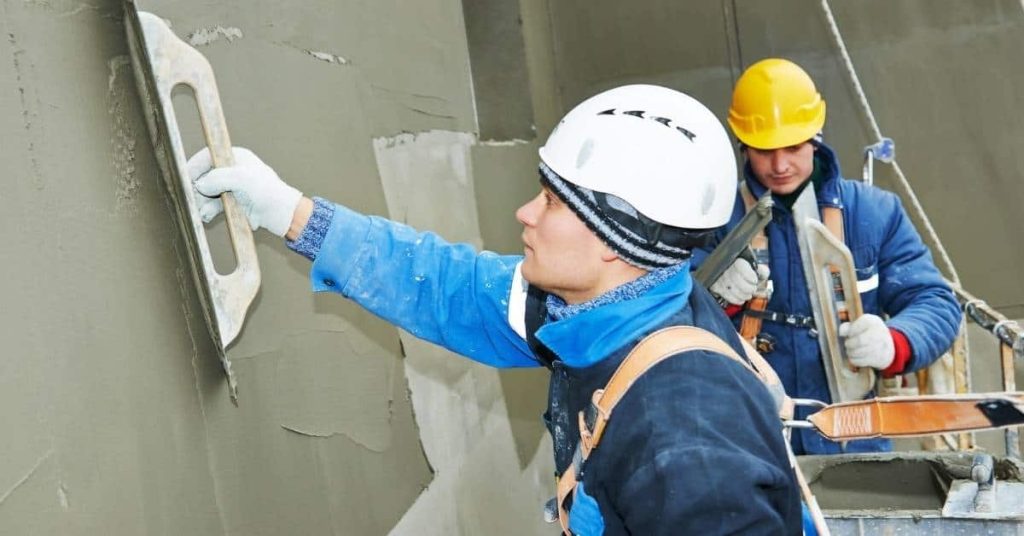
Two construction workers applying stucco to exterior wall

Dash Finish Stucco Repair: Getting Consistent Throw Without Overbuilding Thickness

Introduction Dash finish stucco repair means rethrowing a coarse mix so it keys to the patch without building the wall thickness beyond the original surface. Think of it as matching texture by controlling how far and thick each throw lands rather than piling on extra material. Check product labels and local practices for compatible scratch/base

Dash Finish Stucco Repair: Getting Consistent Throw Without Overbuilding Thickness Read More »