Search Results for: concrete staining and sealing

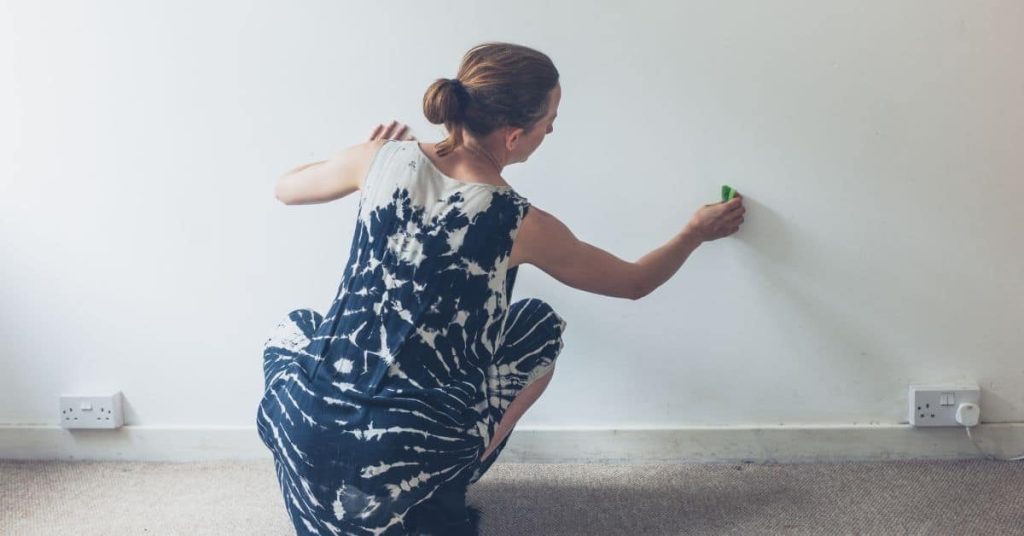
Woman scraping paint from white interior wall

Removing Paint From Masonry: Chemical Strippers vs Grinding and How to Avoid Scarring

Introduction Removing paint from masonry means choosing between chemicals that soften coatings and mechanical grinding that abrades them, and the right choice depends on the paint type, the masonry surface, and how careful you need to be to avoid damage. For a DIYer that often means weighing slower, gentler chemical strippers against faster, more aggressive […]

Removing Paint From Masonry: Chemical Strippers vs Grinding and How to Avoid Scarring Read More »

Person painting interior wall with roller

Painting Over Chalkboard Paint: Bonding and How to Stop ‘Ghosting’

Introduction Painting over chalkboard paint means getting new paint to stick and look even without the old writing ghosting through; it requires cleaning, proper priming, and the right topcoat. In practice that means remove chalk residue, test adhesion, and choose a primer compatible with both the chalkboard surface and your finish. If you’re unsure which

Painting Over Chalkboard Paint: Bonding and How to Stop ‘Ghosting’ Read More »

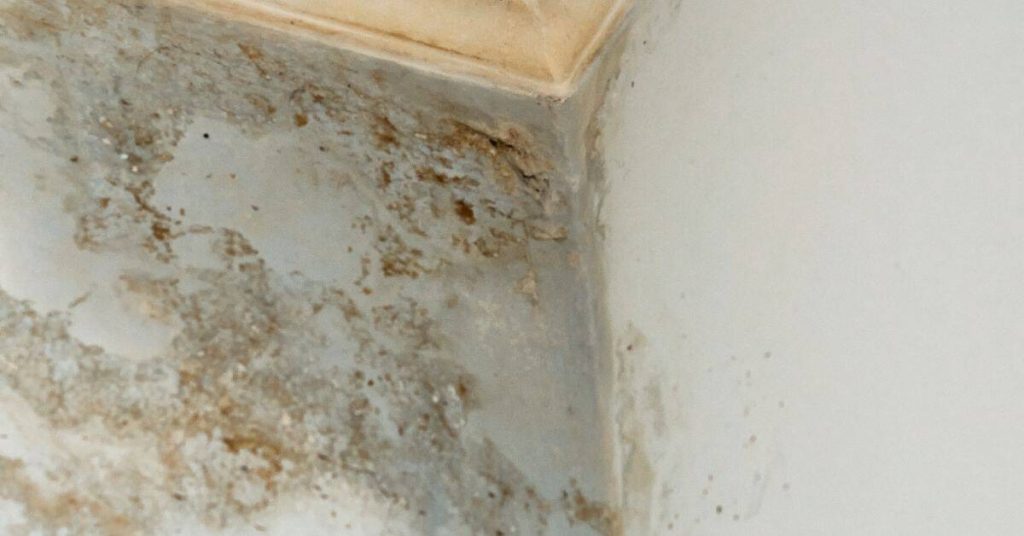
Wall corner with visible mold and water damage stains

Repainting After Mold Remediation: Drying Targets, Primers, and Mildew-Resistant Topcoats

Introduction Repainting after mold remediation means waiting until the surface is fully dry, priming any repaired or stained areas, and finishing with a mildew-resistant topcoat chosen for the substrate. Do the drying check yourself and follow product label instructions for primer and paint compatibility. Treat it like a site repair: clean, dry, prime, then topcoat.

Repainting After Mold Remediation: Drying Targets, Primers, and Mildew-Resistant Topcoats Read More »

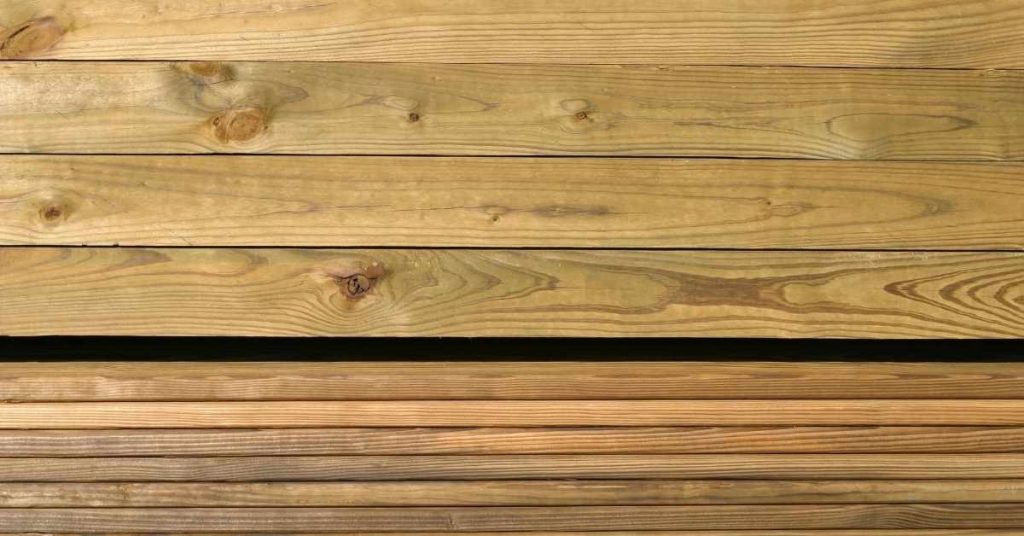
Stacked pressure-treated lumber boards with visible wood grain

Painting Pressure-Treated Lumber: Moisture Tests and When It’s Actually Ready

Introduction Painting pressure-treated lumber means waiting until the wood’s moisture content is low enough for paint or stain to stick and dry properly. In practice that means testing the wood or following the product label and letting the lumber weather or dry under cover until it feels and measures ready. Check the preservative label or

Painting Pressure-Treated Lumber: Moisture Tests and When It’s Actually Ready Read More »

Cedar shake siding on a gable end with white trim

Painting Exterior Cedar: Tannin Blocking, Back-Priming, and Recoat Timing

Introduction Painting exterior cedar means stopping tannin bleed, sealing raw edges, and timing coats so the finish bonds and lasts; tannin blocking, back-priming, and recoat timing are the practical steps to make that happen. I’ll give jobsite advice you can use: what to look for, how to treat cut ends and knots, and how to

Painting Exterior Cedar: Tannin Blocking, Back-Priming, and Recoat Timing Read More »

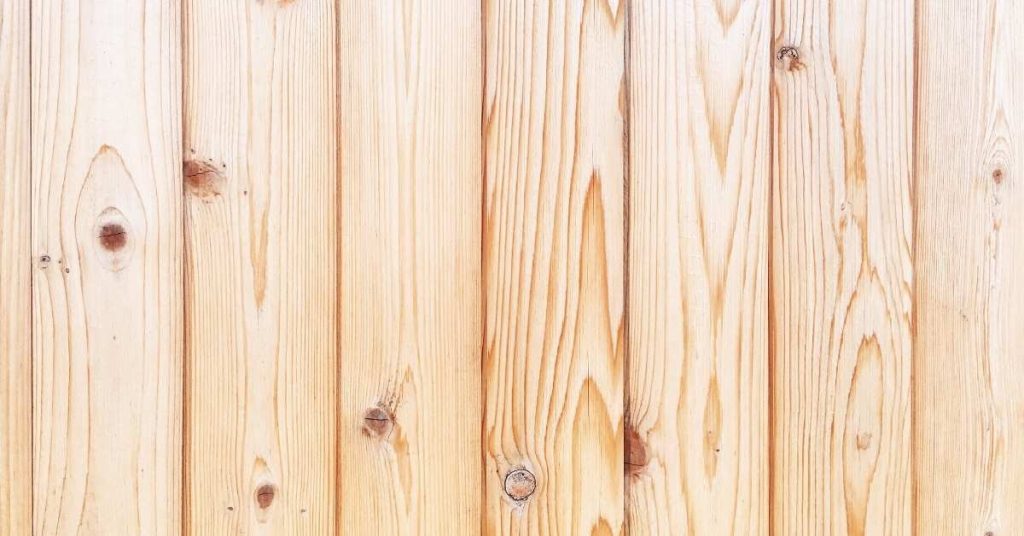
Close-up of pine wood planks with knots and grain patterns

Priming ‘Problem Woods’: Knots, Sap, and Pitch Bleed in Pine and Cedar

Introduction Priming “problem woods” means using the right sealer or primer and prep so knots, sap, and pitch in pine and cedar don’t bleed through your finish. In plain terms: clean, sand, spot-treat bleeding areas, then use a primer compatible with the topcoat and with stain-blocking properties; check the product label and manufacturer’s instructions for

Priming ‘Problem Woods’: Knots, Sap, and Pitch Bleed in Pine and Cedar Read More »

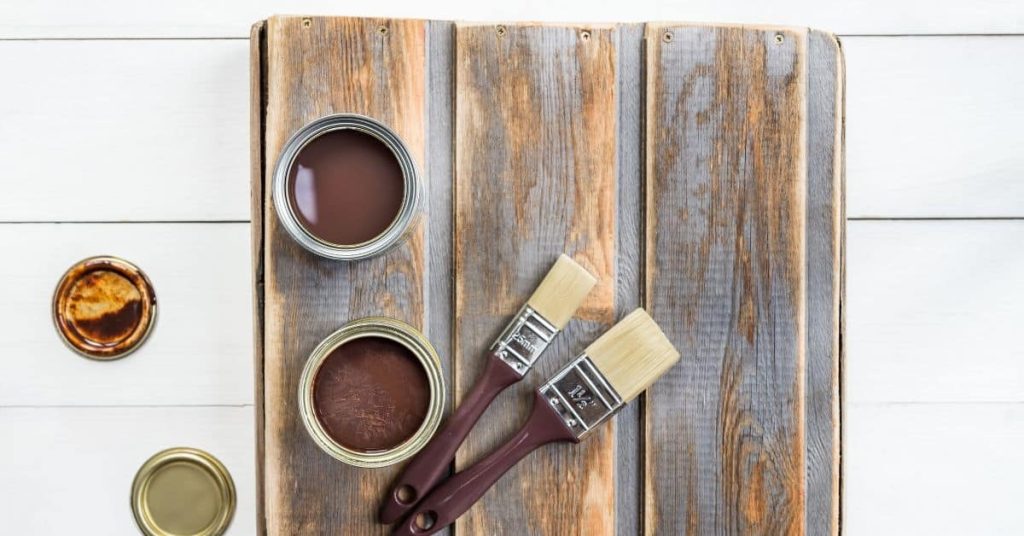
Two open paint cans and two paintbrushes on wooden planks

Shellac vs Oil vs Waterborne Primers: Odor, Dry Time, and Stain-Blocking Tradeoffs

Introduction Shellac, oil, and waterborne primers are different types of sealers with distinct strengths: shellac blocks severe stains and dries fast, oil handles tannin bleed and adhesion well, and waterborne is low-odor and easy to clean; pick by which tradeoff—odor, dry time, or stain-blocking—matters most to your job. Think practical: check the product label and

Shellac vs Oil vs Waterborne Primers: Odor, Dry Time, and Stain-Blocking Tradeoffs Read More »

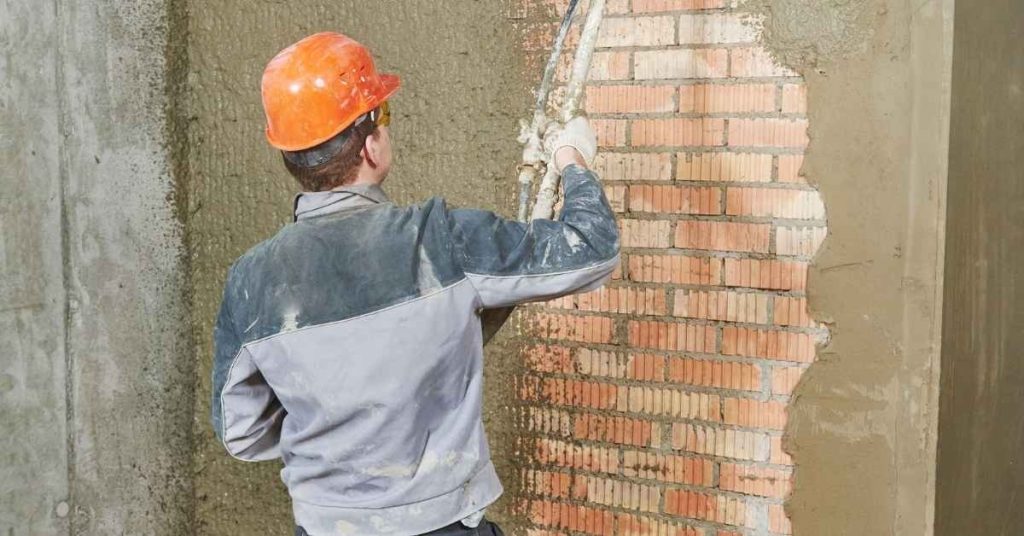
Worker applying stucco onto brick wall wearing orange hard hat

Galvanic Corrosion at Stucco Accessories: Troubleshooting Rust Stains and Effective Repairs

Introduction Discovering rust stains on your otherwise pristine stucco job can be frustrating. Galvanic corrosion is often the culprit, but identifying the cause and implementing effective repairs can be challenging. This guide walks you through troubleshooting galvanic corrosion issues in stucco accessories, helping you diagnose problems, understand their causes, and apply targeted solutions to stop

Galvanic Corrosion at Stucco Accessories: Troubleshooting Rust Stains and Effective Repairs Read More »

Open can of white paint and scattered pastel color swatch cards

Caulk and Paint Compatibility: Choosing Paintable Sealants That Don’t Crack

Introduction Paintable sealant compatibility means choosing a caulk that will accept paint without cracking, pulling away, or staying tacky once cured. In plain terms: pick a sealant labeled paintable and match it to the paint type you plan to use, and check the manufacturer’s instructions and recommended drying time. For DIYers, that means buying the

Caulk and Paint Compatibility: Choosing Paintable Sealants That Don’t Crack Read More »

Blue painted stucco wall texture

How to Paint Stucco With Maximum Breathability: Product Types and Prep Steps

Introduction Painting stucco with maximum breathability means choosing and applying coatings that let moisture vapor move through the wall rather than trapping it behind the finish. In practice that means picking a paint or coating labeled for masonry/stucco breathability and preparing the surface so the coating can adhere and perform; check product labels and manufacturer

How to Paint Stucco With Maximum Breathability: Product Types and Prep Steps Read More »