Search Results for: concrete staining and sealing

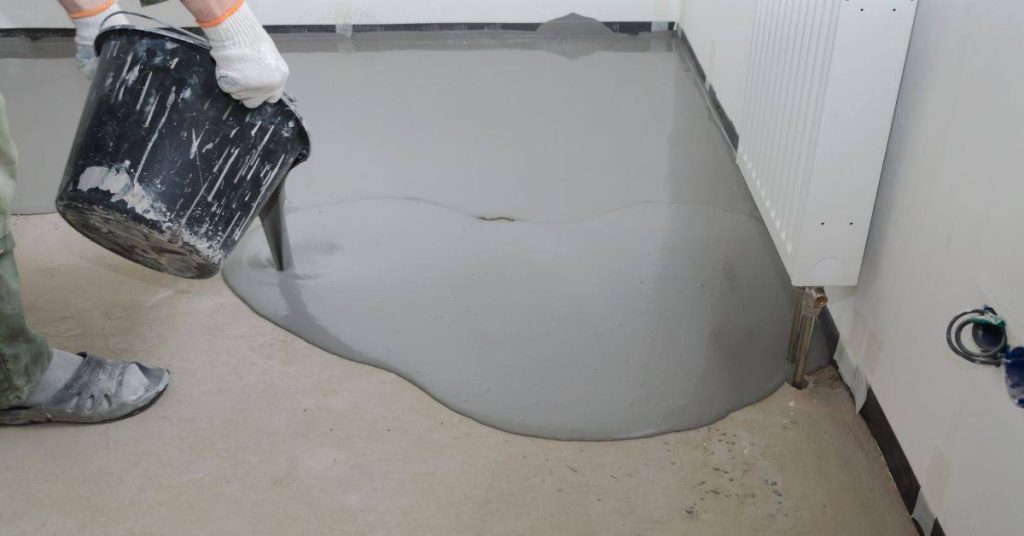
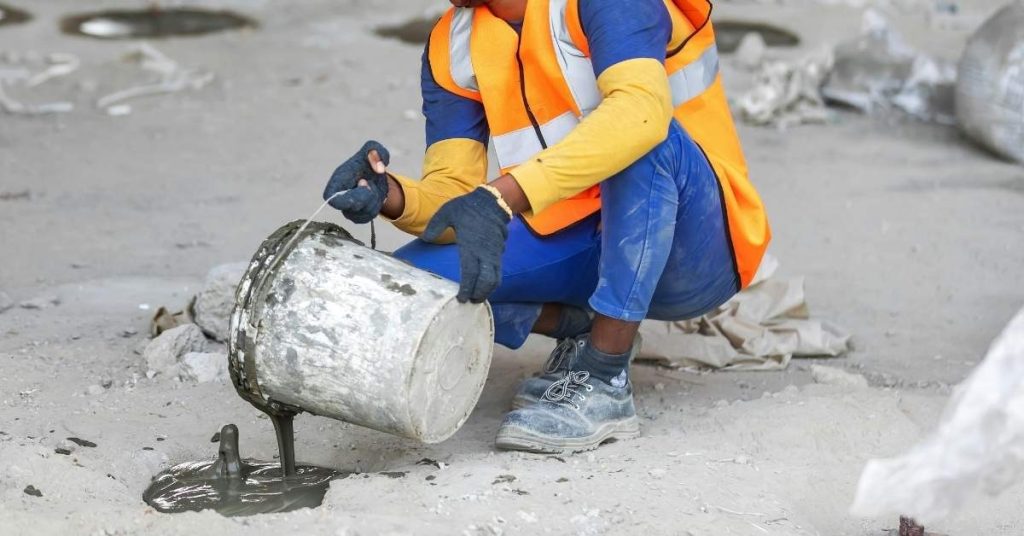
person pouring wet concrete on floor near radiator

Self-Healing Concrete Additives: What’s Real, What’s Marketing, and DIY Alternatives

Introduction Self-healing concrete is concrete that can seal small cracks on its own after curing. In practice, it uses embedded additives or microcapsules that release healing agents when cracks form. How well it works depends on your mix, curing conditions, and the product instructions you follow, so always read labels and follow manufacturer guidance. Self-healing

Self-Healing Concrete Additives: What’s Real, What’s Marketing, and DIY Alternatives Read More »

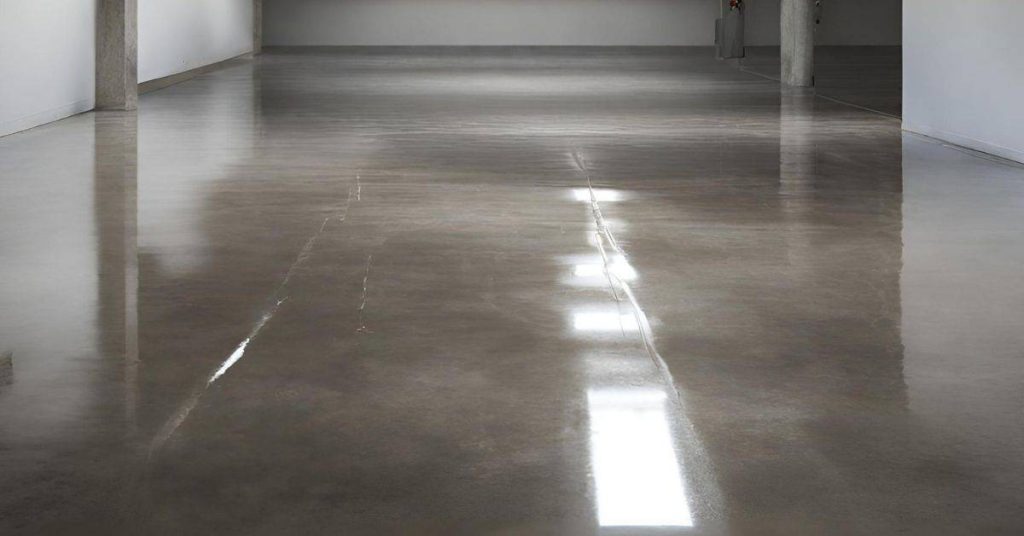
Polished concrete floor reflecting overhead lights

Polished Concrete Stain Protection: Guards, Resealing, and Maintenance That Works

Introduction Polished concrete stain protection is a practical plan to keep stains from soaking in and the surface looking good. It relies on guard methods, occasional resealing, and simple maintenance you can handle in a DIY project. This approach aims to slow wear, resist color change, and extend the life of the finish. To choose

Polished Concrete Stain Protection: Guards, Resealing, and Maintenance That Works Read More »

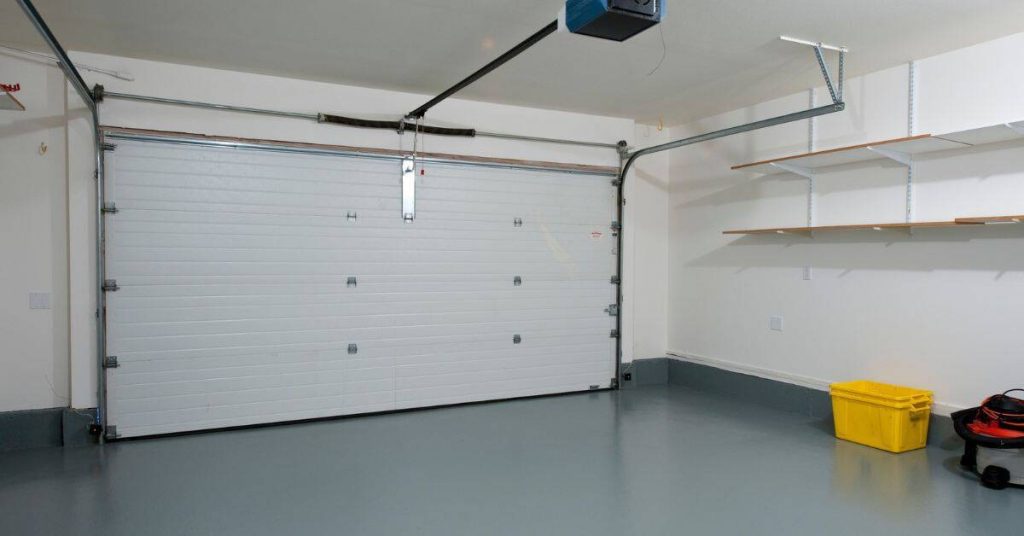
Clean painted concrete garage floor with shelves and yellow bin

Lithium Densifier on Garage Floors: Coverage, Burnishing, and Common Mistakes

Introduction A lithium densifier is a chemical treatment that reacts with concrete to harden the surface. It helps garage floors become more wear resistant and dustproof when applied correctly. Clean, dry surfaces and following the product instructions are essential for best results. Coverage depends on floor porosity and the product label, so check the manufacturer’s

Lithium Densifier on Garage Floors: Coverage, Burnishing, and Common Mistakes Read More »

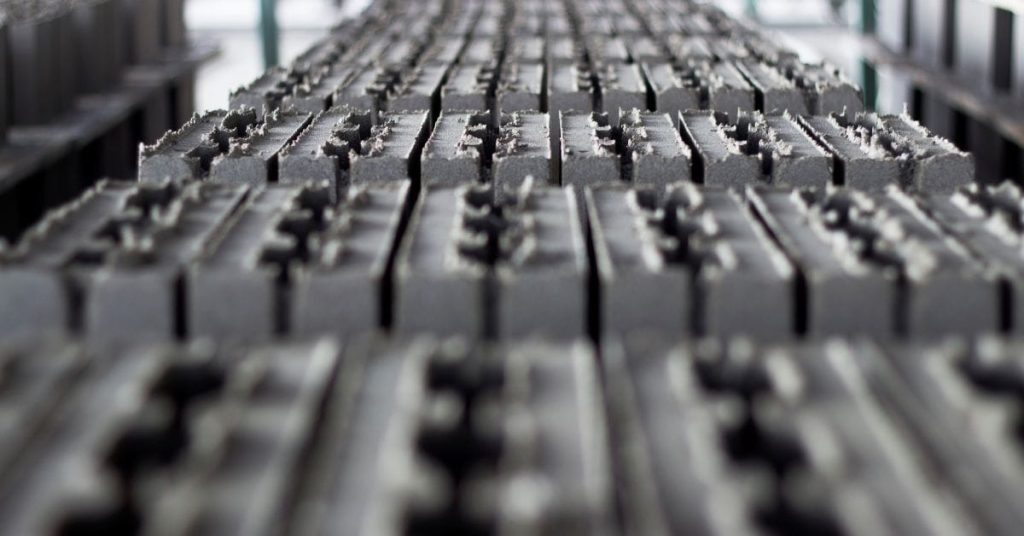
Rows of gray concrete blocks arranged in curing racks

Curing Concrete with Plastic: How to Avoid Discoloration, Wrinkles, and Soft Spots

Introduction Using plastic to cure concrete means covering fresh concrete with plastic to trap moisture and heat and guide a smooth finish. This helps limit discoloration, wrinkling, and soft spots by slowing evaporation. Check local rules and product labels for what type of plastic and how to secure it. Choose a clean plastic sheeting that

Curing Concrete with Plastic: How to Avoid Discoloration, Wrinkles, and Soft Spots Read More »

Open metal gate with stone pillars and green landscape

How to Store Bagged Concrete: Moisture Damage, Shelf Life, and Best Practices

Introduction Storing bagged concrete means keeping the bags dry, off the ground, and protected so the mix remains usable when you need it. Moisture damage is the big risk, since humidity or leaks can turn dry premixed concrete clumps or weaken the mix. Check the bag labels and manufacturer instructions for any shelf life guidance,

How to Store Bagged Concrete: Moisture Damage, Shelf Life, and Best Practices Read More »

Smooth light gray concrete wall surface with faint texture

Finishing Fiber-Reinforced Concrete: How to Avoid “Hairy” Fibers at the Surface

Introduction Hairy fibers at the surface happen when fibers protrude from the concrete finish. This surface issue is usually caused by how the mix is placed and how fibers are distributed during finishing. Work with the goal of keeping fibers below the surface as you strike off and trowel. Synthetic fibers can help with crack

Finishing Fiber-Reinforced Concrete: How to Avoid “Hairy” Fibers at the Surface Read More »