Search Results for: concrete staining and sealing

How to Install Puddle Flanges Around Basement Pipes: a Diy Step-by-Step Guide

How to Install Puddle Flanges Around Basement Pipes: a Diy Step-by-Step Guide

Introduction Install puddle flanges around basement pipes to prevent leaks and water damage. This guide walks you through the practical steps, tips, and common-sense considerations you need to seal around piping in a basement and keep your space dry. Related: Puddle Flanges the Key to Effective Waterproofing Solutions. Key takeaways Assess pipe condition before flange […]

How to Install Puddle Flanges Around Basement Pipes: a Diy Step-by-Step Guide Read More »

Soft-Wash Cleaning of Stucco: no Pressure Washer Needed

Soft-Wash Cleaning of Stucco: no Pressure Washer Needed

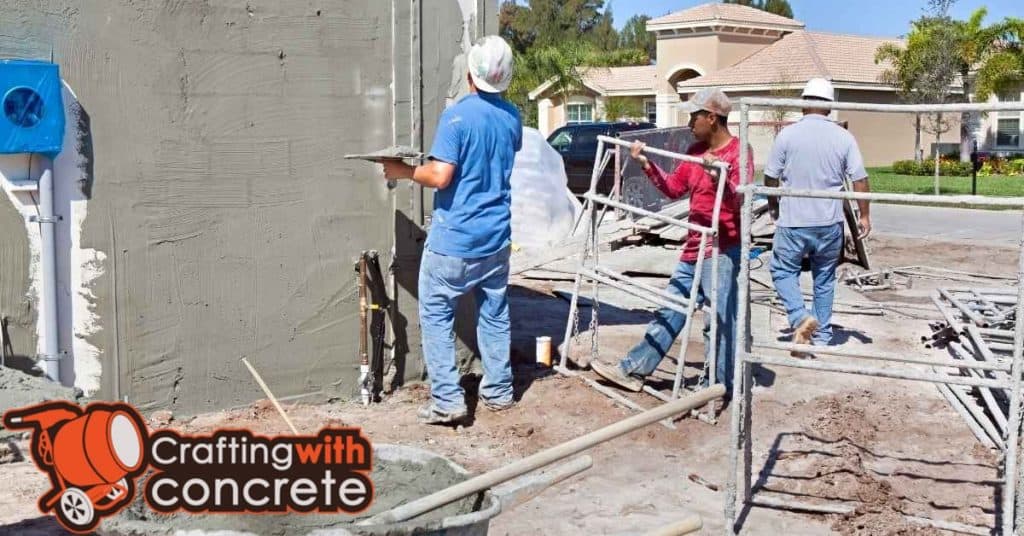
Introduction Soft-wash cleaning of stucco removes dirt and stains without a pressure washer. This approach minimizes risk to the stucco surface while delivering effective results on typical exterior finishes. You’ll learn gentle washing techniques, safe cleaning solutions, and practical steps to apply them without high-pressure equipment. Key takeaways Assess stucco condition; soft-wash only on intact

Soft-Wash Cleaning of Stucco: no Pressure Washer Needed Read More »

Painting Stucco: Breathable Coatings That Won’t Trap Water

Painting Stucco: Breathable Coatings That Won’t Trap Water

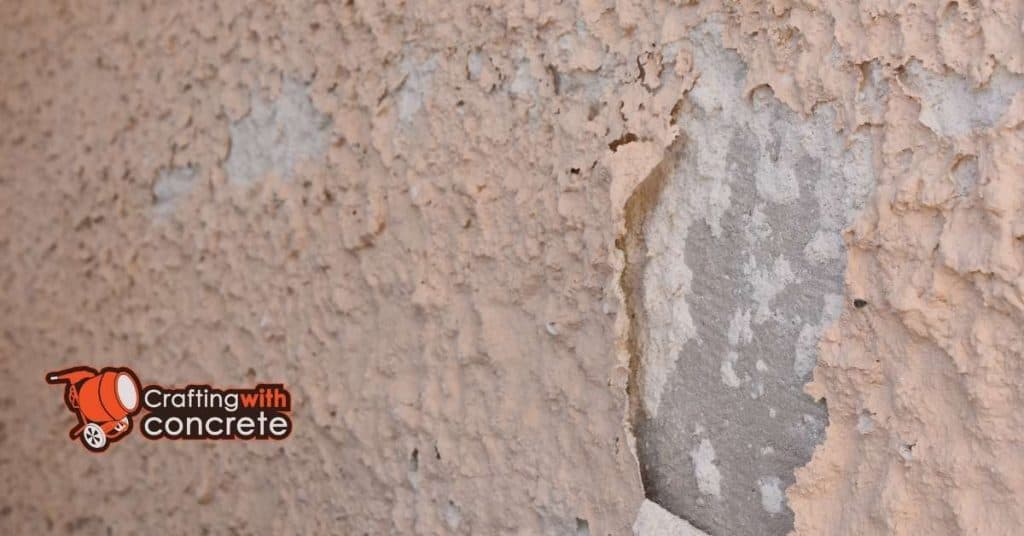
Introduction Breathable coatings on stucco let moisture escape while still protecting the surface. This matters because trapping water can lead to peeling, cracking, and mold, so you’ll learn how to evaluate breathable finishes and what to look for in performance and compatibility. The guide walks through practical steps for preparation, choosing the right breathable coating,

Painting Stucco: Breathable Coatings That Won’t Trap Water Read More »

Diy Guide: Installing a Ca6 Gravel Base for a Compact, Low-Maintenance Driveway

Diy Guide: Installing a Ca6 Gravel Base for a Compact, Low-Maintenance Driveway

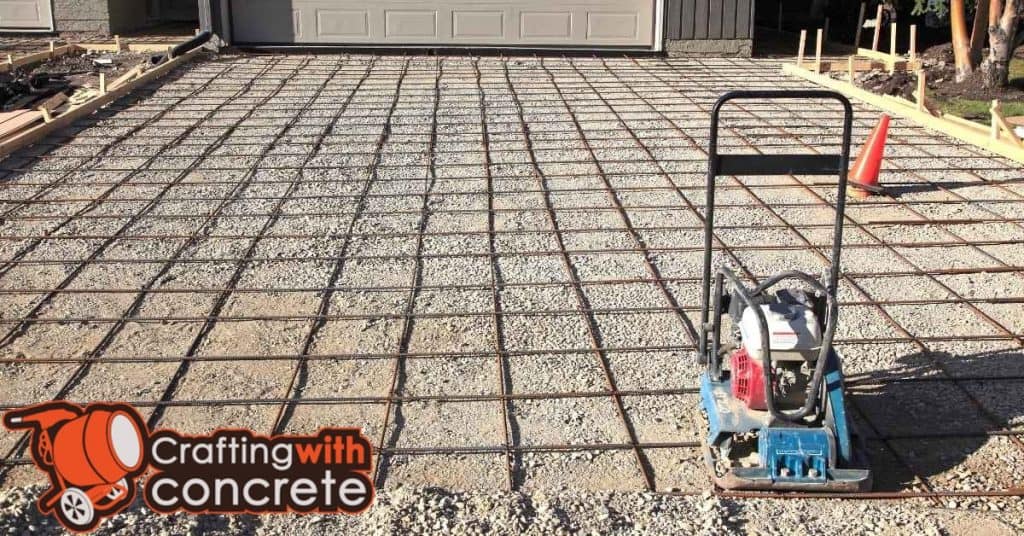
Introduction A CA6 gravel base can create a compact, low-maintenance driveway when installed correctly. You’ll learn the key steps—from choosing the right CA6 mix and preparing the sub-base to laying and compacting the gravel for stability. The guide walks through practical tips, common pitfalls, and rules of thumb to help you achieve a durable driveway

Diy Guide: Installing a Ca6 Gravel Base for a Compact, Low-Maintenance Driveway Read More »

How to Spot Hidden Moisture in Stucco with a Simple Meter

How to Spot Hidden Moisture in Stucco with a Simple Meter

Table of Contents Why hidden moisture in stucco and EIFS matters Quick overview of moisture meters: pin, pinless, and combo Choosing a single, affordable meter for DIY stucco checks When to test: timing and triggers Where to test on stucco and EIFS — high-risk zones Pre-inspection visual checklist Step-by-step scanning workflow using one simple meter

How to Spot Hidden Moisture in Stucco with a Simple Meter Read More »

Quick Fixes: Using Self-Adhesive Flashing Tape to Repair Housewrap Tears

Quick Fixes: Using Self-Adhesive Flashing Tape to Repair Housewrap Tears

Introduction Housewrap is a crucial component of your home’s exterior, protecting it from water damage and air infiltration. However, tears in housewrap can occur due to various reasons, such as improper installation or impact from objects like ladders or debris. Luckily, repairing these tears doesn’t require extensive work. Self-adhesive flashing tape is an effective solution

Quick Fixes: Using Self-Adhesive Flashing Tape to Repair Housewrap Tears Read More »

How to Patch Small Wrb Punctures with Liquid Flash Before Re-Stucco

How to Patch Small Wrb Punctures with Liquid Flash Before Re-Stucco

Table of Contents Why WRB Integrity Matters Before Stucco When to Use Liquid Flash vs. Tape or Full Panel Repair Recommended Liquid Flash Products and Compatibility Matrix Tools, PPE, and Materials Checklist Step‑by‑Step Repair Method for Small Punctures (Exact Technique) Curing, Environmental Limits, and Inspection Criteria Integration with Stucco Lath and Finish Work Troubleshooting, Common

How to Patch Small Wrb Punctures with Liquid Flash Before Re-Stucco Read More »

Patching Small WRB (Weather-Resistive Barrier) Punctures Before Re-Stucco

Patching Small WRB (Weather-Resistive Barrier) Punctures Before Re-Stucco

Table of Contents Why WRBs Matter for Stucco Cladding Types of WRB Materials Compatible with Stucco How to Inspect a WRB Before Re‑Stucco Diagnosing Punctures vs. Underlying Damage Approved Repair Materials and When to Use Them Step‑by‑Step: Patching Small Punctures in Housewrap Step‑by‑Step: Patching Punctures in Self‑Adhered Membranes Sealing Fastener Penetrations and Nail Holes Flashing

Patching Small WRB (Weather-Resistive Barrier) Punctures Before Re-Stucco Read More »

Using Butyl Tape Behind Exterior Fixtures in Stucco

Using Butyl Tape Behind Exterior Fixtures in Stucco

Table of Contents What is Butyl Tape and Why Use It on Stucco Types, Sizes, and Product Selection When to Use Butyl Tape vs. Caulk, Flashing, or Mechanical Seals Materials, Tools, and Safety Considerations Preparing Stucco and Fixture Surfaces Step-by-Step Installation for Common Exterior Fixtures Sealing Techniques for Wires, Conduits, and Small Penetrations Common Mistakes,

Using Butyl Tape Behind Exterior Fixtures in Stucco Read More »

Anchoring into Cmu Hollow Block: Screen Tube Method

Anchoring into Cmu Hollow Block: Screen Tube Method

Table of Contents Quick Overview — What is a CMU (Hollow Block) and why anchoring differs Anchor options for hollow CMU — pros and cons What is the screen tube (masonry sleeve) method? Step-by-step installation of the screen tube method Load capacities, testing, and engineering considerations Recommended fastener sizes, materials, and brands Common use cases,

Anchoring into Cmu Hollow Block: Screen Tube Method Read More »