Search Results for: concrete flooring repair

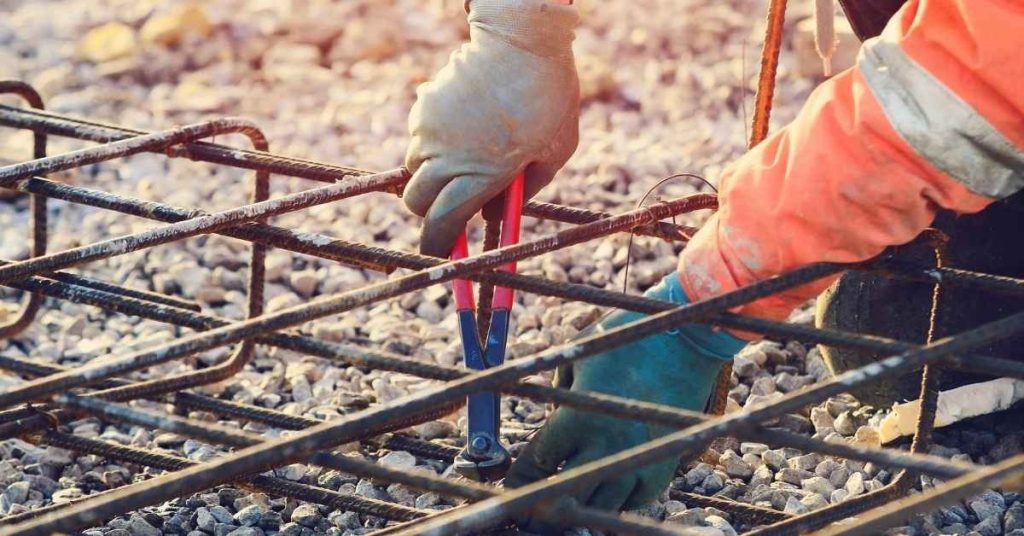
Worker tying rebar grid with pliers on gravel base

What Happens If a Concrete Slab Is Too Thin? Real-World Failure Signs, Load Issues, and Fix Options

Introduction A concrete slab that is “too thin” means it lacks the mass and reinforcement to carry the loads and ground movements expected of it, and it will show that by failing sooner than a properly sized slab. Expect visible signs like cracking, sagging, or edge spalling, and check manufacturer guidance, product labels, and local […]

What Happens If a Concrete Slab Is Too Thin? Real-World Failure Signs, Load Issues, and Fix Options Read More »

Old hammer and chisel on wood shavings covered surface

DIY Concrete Overlay Over Tile: When It’s Possible and the Bond-Breakers to Avoid

Introduction Yes, you can overlay concrete over tile if the tile is sound and properly prepared for bonding. Make sure the existing surface is firmly adhered and free of movement. If you’re unsure, check the manufacturer’s instructions or local rules before you start. Watch for bond-breakers like sealants, coatings, or residue that can prevent adhesion

DIY Concrete Overlay Over Tile: When It’s Possible and the Bond-Breakers to Avoid Read More »

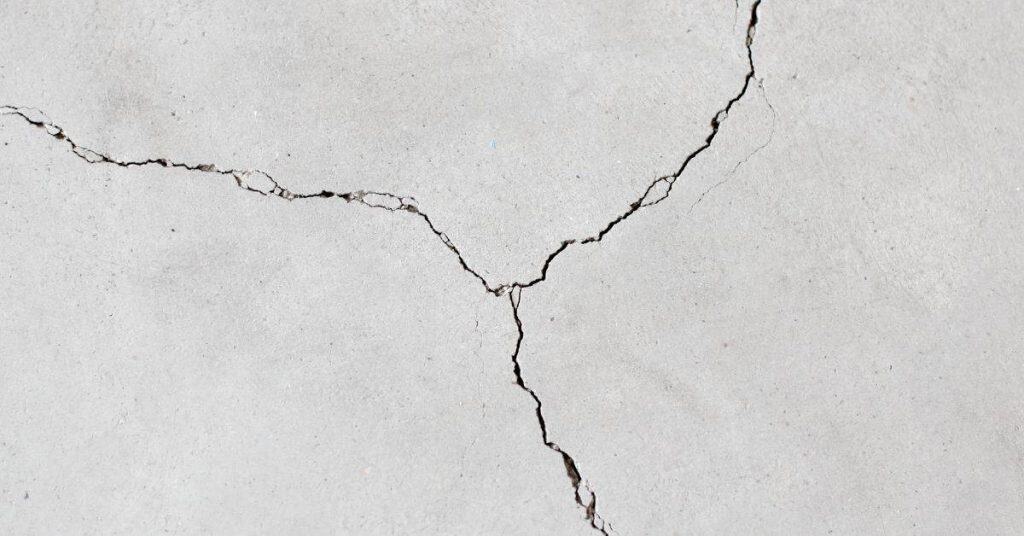
Close-up of a concrete surface with multiple cracks

How to Reinforce a Thin Concrete Overlay Over Plywood (So It Won’t Crack)

Introduction A thin concrete overlay over plywood is a lightweight concrete layer applied on a plywood subfloor to smooth and level the surface while staying thin enough to avoid excessive buildup. It must be prepared and reinforced properly to resist cracking in normal use. Check manufacturer instructions and local rules for feasibility and any limits.

How to Reinforce a Thin Concrete Overlay Over Plywood (So It Won’t Crack) Read More »

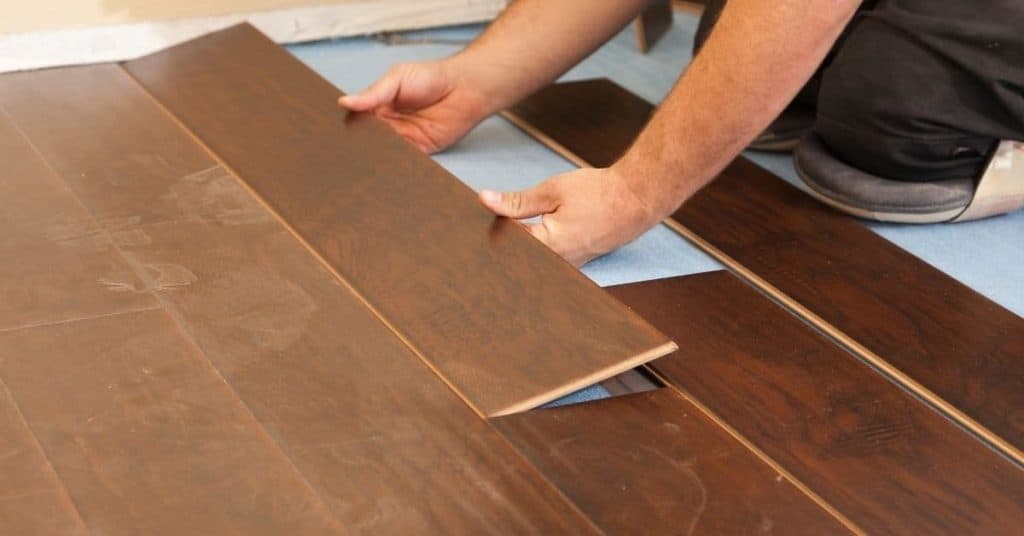
Person using tool to install wooden click-lock flooring plank

Replacing a Single Damaged Plank in Click-Lock Flooring: Two Methods Without Replacing the Whole Row

Introduction Replacing a single damaged plank in click-lock flooring means swapping one bad board without pulling out the entire row. It’s a practical, hands-on fix you can do without tearing out a whole run. You’ll want to check that the replacement plank matches the profile and thickness before you start. One method is to loosen

Replacing a Single Damaged Plank in Click-Lock Flooring: Two Methods Without Replacing the Whole Row Read More »

Herringbone patterned wooden floor in empty room with blue walls

Bamboo Flooring Scratch Repair: Touch-Up Kits vs. Screen-and-Recoat Options

Introduction Touch-up kits and screen-and-recoat are two common ways to repair scratches on bamboo flooring. Bamboo floors are durable, but everyday wear can show scratches, especially in high-traffic areas. This guide will help you decide which method fits your situation and budget. Scratch causes include grit, furniture movement, and moisture exposure, so address the underlying

Bamboo Flooring Scratch Repair: Touch-Up Kits vs. Screen-and-Recoat Options Read More »

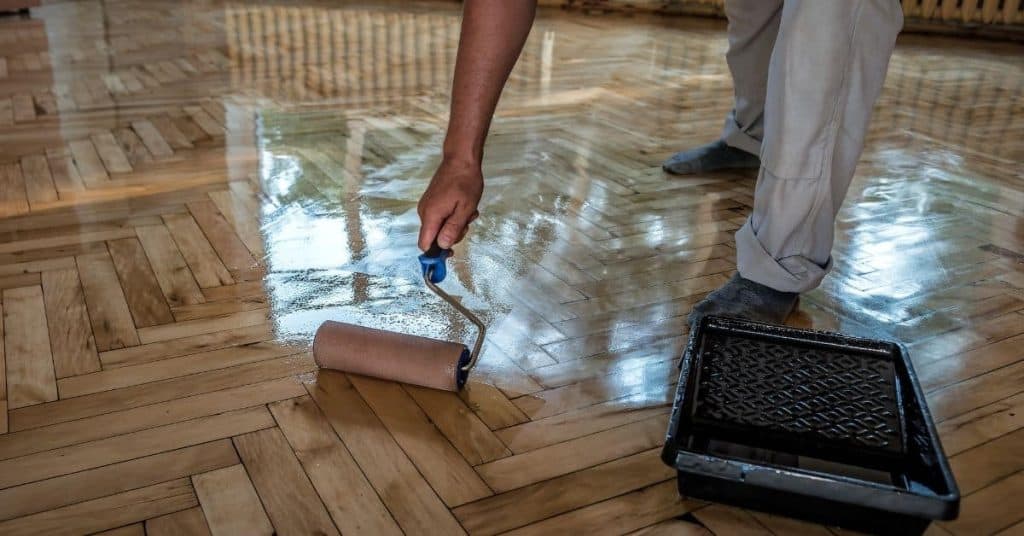
Person applying finish with roller on wood floor

Cork Flooring in Kitchens: Pros, Cons, and the Finish That Prevents Water Spots

Introduction Cork flooring in kitchens is a natural, resilient surface that can be kept water-friendly with the right finish. It brings warmth underfoot and can feel softer than tile, but it needs careful sealing and proper subfloor prep. This intro covers how cork is made, how to install it, and what finish helps prevent water

Cork Flooring in Kitchens: Pros, Cons, and the Finish That Prevents Water Spots Read More »

Person kneeling installing laminate flooring planks

Fixing Squeaky Subfloors Before New Flooring: Screw Patterns and When to Add Blocking

Introduction Squeaky subfloors happen when the subfloor boards move or lack solid support, and fixing them requires securing boards and sometimes adding blocking. Using the right screw patterns helps pull the boards tight and stop movement. Before laying new flooring, you may need to identify problem areas and decide if blocking should be added. You’ll

Fixing Squeaky Subfloors Before New Flooring: Screw Patterns and When to Add Blocking Read More »

Person installing dark laminate flooring indoors

Acclimating Flooring the Right Way: Temperature, Humidity, and the ‘False Acclimation’ Trap

Introduction Acclimating flooring means letting the material adjust to the room conditions before installation. This isn’t a one-size-fits-all rule; temperature and humidity matter, but accuracy comes from checking the product labels and your actual home conditions. Rushed or misreading the room can lead to gaps, warping, or squeaks after install. To avoid the “False Acclimation”

Acclimating Flooring the Right Way: Temperature, Humidity, and the ‘False Acclimation’ Trap Read More »

Packed cardboard boxes and household items in sunlit room

Engineered Hardwood Over Concrete: Glue-Down vs. Floating and Vapor Barrier Strategy

Introduction Engineered hardwood over concrete can be installed either glued down or floated, with a moisture plan in place. This is a practical, hands-on topic that matters for a stable floor and a smooth finish. You’ll see how pre-install steps set the stage and what to check before you start cutting or laying material. Choosing

Engineered Hardwood Over Concrete: Glue-Down vs. Floating and Vapor Barrier Strategy Read More »

Person installing wood-look vinyl flooring on adhesive

LVP on Concrete Slabs: Moisture Tests You Can Do and Underlayment Choices

Introduction LVP on concrete slabs means laying luxury vinyl plank over a concrete floor while evaluating moisture in the slab and picking an underlayment that suits the job. It’s a practical DIY approach, not a showpiece install, so you’ll want to verify dryness and choose materials that tolerate the conditions you’re working with. Expect to

LVP on Concrete Slabs: Moisture Tests You Can Do and Underlayment Choices Read More »