Search Results for: concrete floor covering

Close-up of rusted steel rebar with metal ties

Steel Microfibers in Overlays: When They Outperform Rebar Mesh

Introduction Steel microfibers in overlays are tiny reinforcement fibers mixed into concrete to control cracking and improve durability, often replacing some needs for traditional rebar mesh. They disperse with the mix and can reduce crack widths, making overlays tougher for DIY projects. For a DIY job, compare them to rebar mesh in terms of installation […]

Steel Microfibers in Overlays: When They Outperform Rebar Mesh Read More »

Four rectangular concrete slabs with handwritten markings

Chloride Ion Testing in Old Slabs: When Salt Exposure Is the Real Problem

Introduction Chloride ion testing in old slabs is a way to find out whether salt exposure is the real problem behind concrete issues. It helps separate chloride-related damage from other moisture or subfloor failures. In plain terms, it’s part of diagnosing why a floor isn’t performing as you’d expect. Many times, moisture problems drive cracking,

Chloride Ion Testing in Old Slabs: When Salt Exposure Is the Real Problem Read More »

Closeup of large jagged crack in white stucco wall

Stucco Crack Patterns: What vertical, diagonal, and stair-step cracks usually mean

Introduction Vertical, diagonal, and stair-step cracks in stucco are signals of movement or stress in the wall rather than just a cosmetic flaw. These patterns often point to shifts in framing, moisture issues, or settlement and you should check the crack size, location, and whether it keeps opening after weather changes. For a DIY approach,

Stucco Crack Patterns: What vertical, diagonal, and stair-step cracks usually mean Read More »

Gloved hand cleaning a wall with a green sponge

How to Paint Over Smoke Stains: Cleaning, sealing, and odor control

Introduction Painting over smoke stains means preparing the wall by cleaning soot, sealing to block odors, and applying fresh paint. This is a practical, hands-on job you can do with common tools. Assess the stains and follow the label on primers and paints for the right compatibility. Clean thoroughly with a suitable cleaner to lift

How to Paint Over Smoke Stains: Cleaning, sealing, and odor control Read More »

Worker in protective suit spraying paint on wall indoors

Indoor Spraying Without Dust: Masking and airflow that actually contain overspray

Introduction Masking and airflow control are practical ways to keep overspray from drifting inside. Good masking blocks mist at its source, and proper airflow guides it away. Set up barriers, cover floors, and plan your work path. Monitor overspray during the job and adjust masking and airflow as you go. Keep doors and openings controlled,

Indoor Spraying Without Dust: Masking and airflow that actually contain overspray Read More »

Close-up of asphalt shingle with visible impact damage

Stucco Damage Behind Downspouts: Repairs and water control improvements

Introduction Stucco damage behind downspouts is hidden water intrusion that weakens the wall where the downspout sits. Water running off the gutter can seep behind the stucco and cause cracking, bulging, or soft spots. This article shows practical steps you can do to inspect and start repairs without specialized equipment. Start by cleaning the area

Stucco Damage Behind Downspouts: Repairs and water control improvements Read More »

Exterior stucco wall with multiple windows under clear sky

Cracks Around Stucco Windows: Why they form and how to fix them correctly

Introduction Cracks around stucco windows are caused by movement at the window opening and the surrounding stucco not moving the same way. Settling, temperature swings, and flashing or moisture issues are common culprits to look for. Note whether the crack runs along the frame, at corners, or where trim meets stucco to guide your fix.

Cracks Around Stucco Windows: Why they form and how to fix them correctly Read More »

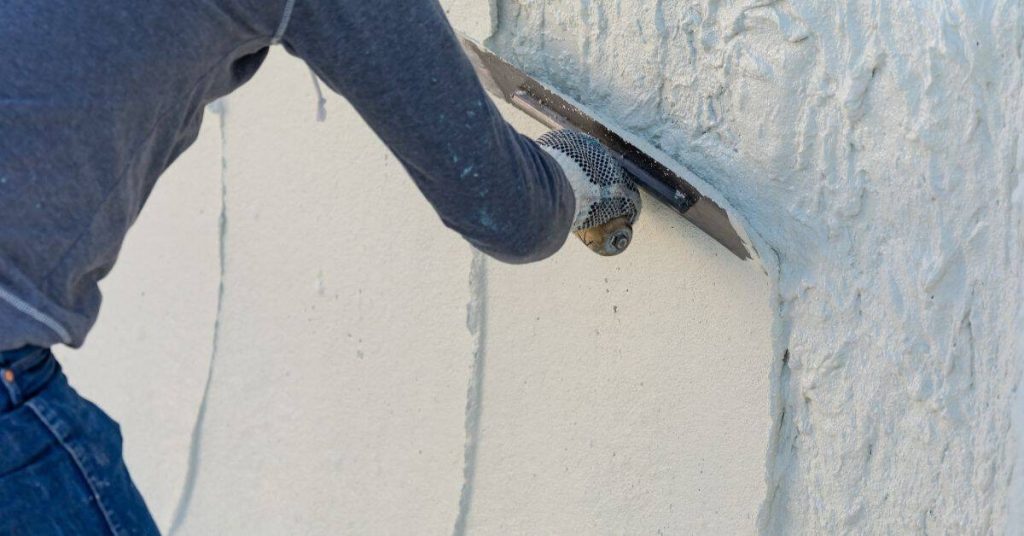
Person applying stucco texture to wall with trowel

Stucco at Deck and Porch Connections: Water control and movement details

Introduction Stucco at deck and porch connections is the moisture-control detail where stucco meets the deck to stop water from entering the structure. It relies on flashing, proper joint gaps, and movement allowances to shed water and accommodate movement. Always check manufacturer instructions and local rules for flashing, sealants, and clearance requirements. For a practical

Stucco at Deck and Porch Connections: Water control and movement details Read More »

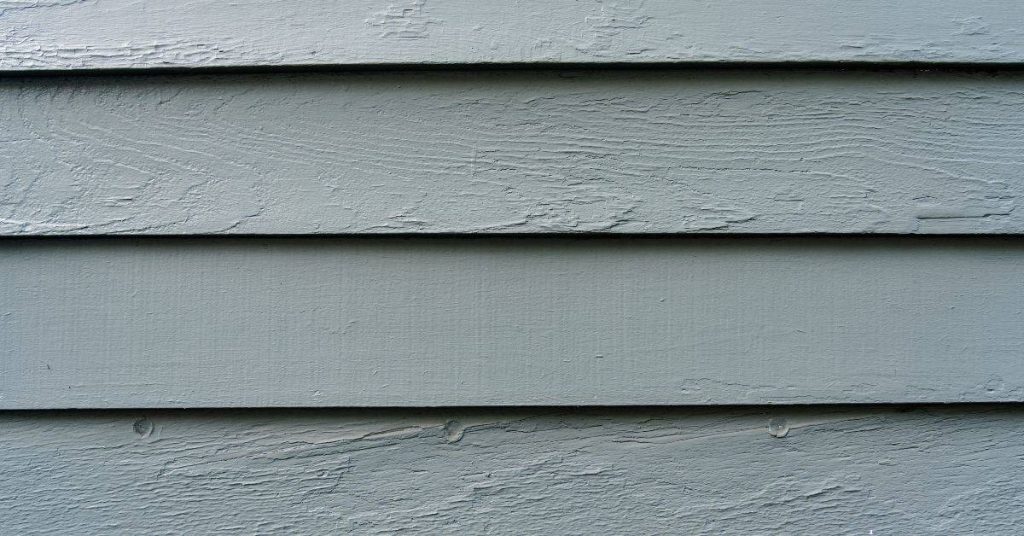
Closeup of painted wooden siding in gray color

Breathable Paint for Stucco: Choosing coatings that don’t trap moisture

Introduction Breathable paint for stucco lets moisture escape from the wall while protecting it from rain. As a DIYer, you want a coating that pins water to the surface but doesn’t trap it inside. Apply it with the right surface prep and follow the label for best results. When choosing coatings, look for breathable or

Breathable Paint for Stucco: Choosing coatings that don’t trap moisture Read More »