Search Results for: concrete chip repair

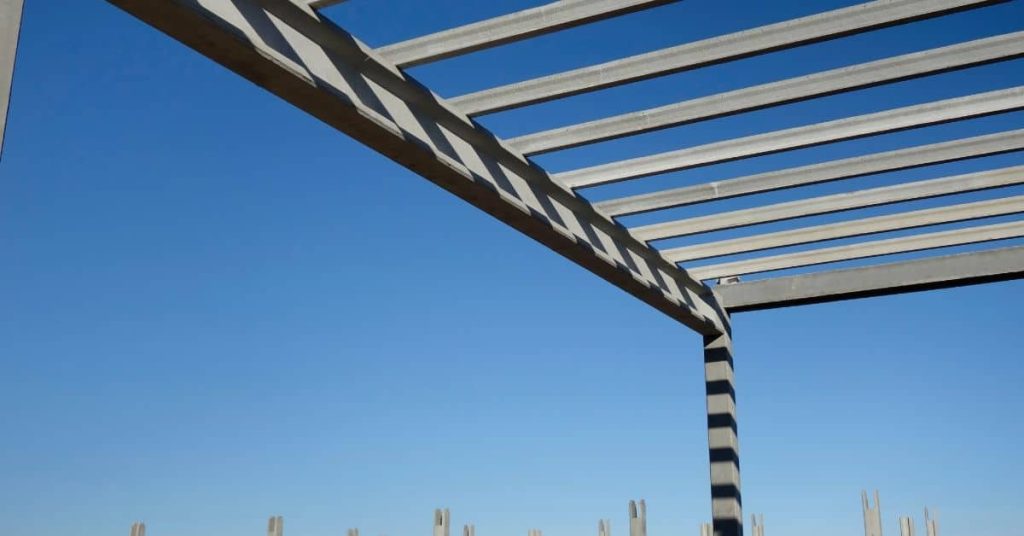
Metal skeleton frame of a concrete structure under blue sky

Concrete Footings in Loose Soil: Keeping holes from collapsing and contaminating mix

Introduction Concrete footings in loose soil are foundations that hold the hole open and the concrete clean while it sets. In practice, you deal with collapses, water, and soil that wants to fall in, so you carefully support the bore and keep the mix free of mud. This article explains practical, hands-on approaches you can […]

Concrete Footings in Loose Soil: Keeping holes from collapsing and contaminating mix Read More »
wood block with nail sticking out on concrete surface

Stucco Wicking From Concrete: How to stop moisture at the transition

Introduction Stucco wicking from concrete is moisture drawn from the concrete into the stucco layer. It happens when the concrete surface stays damp and porous, pulling water into the plaster as it dries. That moisture can cause staining, peeling, or long-term damage if not addressed. To stop it at the transition, start with a dry,

Stucco Wicking From Concrete: How to stop moisture at the transition Read More »

Red brick pavers being laid on sand base with masonry tools

Concrete Pads on Clay Soil: Base prep that reduces settlement and cracking

Introduction Concrete pads on clay soil require a proper base prep to minimize settlement and cracking. The base should be clean, graded, and compacted to create a stable, drainage-friendly surface. If you’re unsure about soil conditions, check with local rules or a product label for guidance on acceptable fill and compacting methods. Understanding what causes

Concrete Pads on Clay Soil: Base prep that reduces settlement and cracking Read More »

Close-up of a spiral drill bit drilling into concrete surface

Drilling Concrete Cleanly: Preventing surface spalls and blowouts

Introduction Drilling concrete cleanly means making precise holes without chipping the surrounding surface. Start by assessing the job and marking hole locations clearly, so you know exactly where to drill. Keep the area clean and set up a stable work surface to reduce wobble as you begin. Choose drill settings and approach carefully, deciding between

Drilling Concrete Cleanly: Preventing surface spalls and blowouts Read More »

Fresh asphalt driveway in front of garage door

Concrete at Garage Doors: Fixing ponding and preventing water intrusion

Introduction Concrete at garage doors refers to the slab at the door opening where improper drainage or settling can cause ponding. This condition signals potential water intrusion if left unaddressed. Start by noting slopes, cracks, and joints that may let water pool near the threshold. Common causes are poor drainage, foundation issues, or slab settling

Concrete at Garage Doors: Fixing ponding and preventing water intrusion Read More »

Two melting ice cubes on a white surface

Concrete Pop-Outs: Causes, repairs, and prevention for future winters

Introduction Concrete pop-outs are shallow, rounded chunks of concrete that lift away from the surface when the ground or the mix expands. They often come from moisture getting trapped under the slab, poor compaction, or steel reinforcement pushing outward. Weather conditions, especially rapid temperature shifts in winter, play a big role in how fast pop-outs

Concrete Pop-Outs: Causes, repairs, and prevention for future winters Read More »

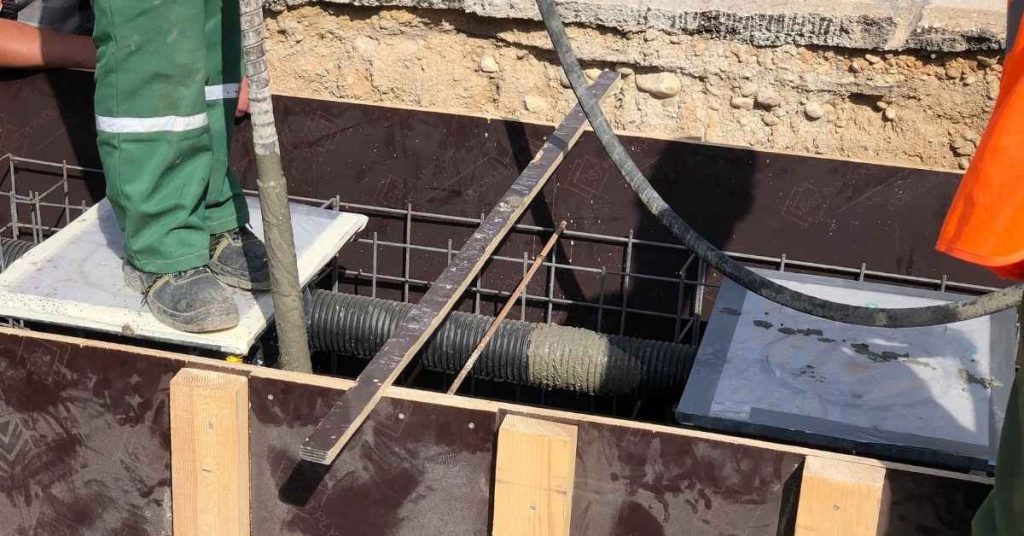
Worker standing on concrete formwork pouring concrete

Concrete Spalling Without Rebar: How deep to remove and how to feather the repair

Introduction Spalling without rebar happens when the surface concrete flakes away, leaving a damaged area that needs patching. You’ll want to remove enough material to reach sound concrete and to create a gradual feathered edge for the new mix to blend in. Check the extent by probing the edge and looking for underlying cracking or

Concrete Spalling Without Rebar: How deep to remove and how to feather the repair Read More »

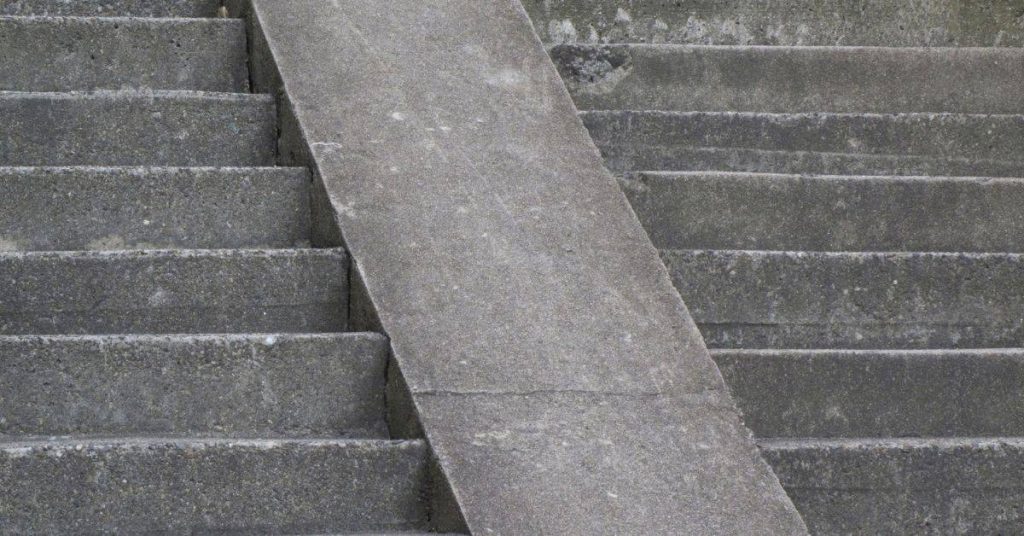
Concrete stairs with a smooth ramp in the middle

Concrete Scaling in Winter: Why the surface flakes and how to stop it

Introduction Concrete scaling in winter is when the top layer peels or flakes off because cold weather, moisture, and repeated freezing push water in and out. Cold temperatures slow curing and make water move through the surface, so you see scaling more on sidewalks, driveways, and slabs that get wet. Watch for slick, rough patches

Concrete Scaling in Winter: Why the surface flakes and how to stop it Read More »

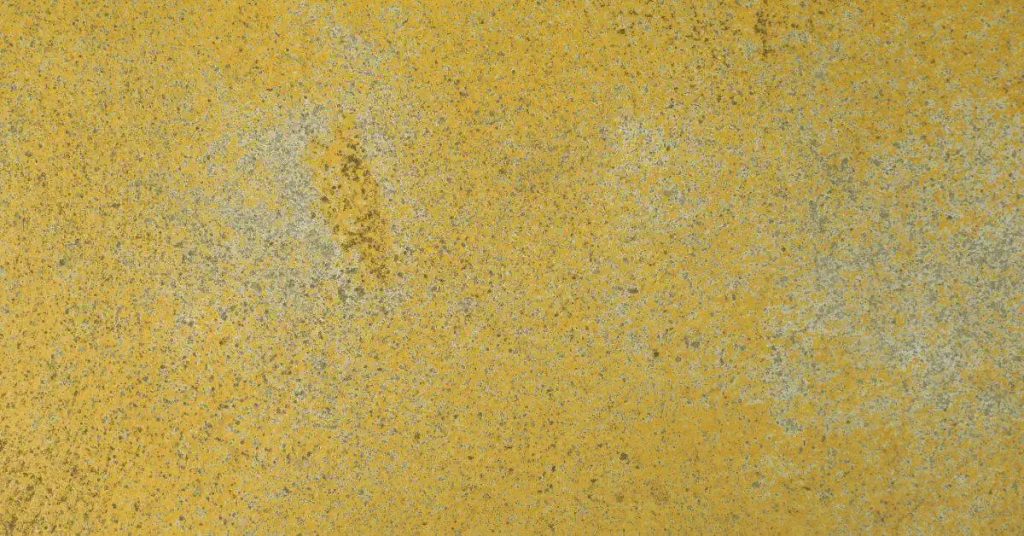
yellow stained concrete surface with varying texture

Concrete Surface Delamination: Causes, diagnosis, and repair that lasts

Introduction Delamination is the surface layer of concrete peeling or separating from the underlying concrete, creating a patchy, hollow feel. It often shows up as a dull patch that may flake or sound hollow when tapped. Lightly tapping suspect areas can help you spot where the top lift isn’t bonded well. To diagnose, look for

Concrete Surface Delamination: Causes, diagnosis, and repair that lasts Read More »