Search Results for: brown concrete

Understanding Spray Foam Insulation and Why Removal Is Needed

Understanding Spray Foam Insulation and Why Removal Is Needed

Introduction Removal is needed when spray foam insulation is damaged or causing moisture, mold, or air-quality issues. You’ll learn how to assess signs of trouble, choose safe removal approaches, and plan for effective post-removal insulation improvements. Key takeaways Identify spray foam types (open-cell vs. closed-cell) and their R-values. Assess health risks and required PPE before […]

Understanding Spray Foam Insulation and Why Removal Is Needed Read More »
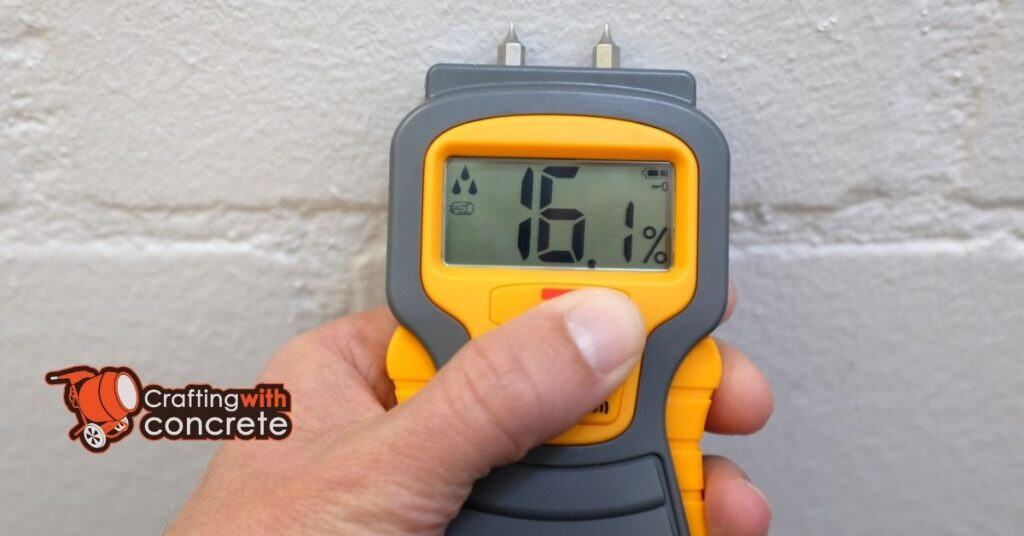
Pin Vs Pinless: Choosing the Right Moisture Meter for Stucco Inspections

Table of Contents Why moisture measurement matters for stucco-clad buildings How pin moisture meters work (technical deep dive) How pinless moisture meters work (technical deep dive) Head-to-head comparison: pros, cons, and performance factors Stucco-specific inspection protocols and best practices Troubleshooting false positives and ambiguous readings on stucco Calibration, maintenance, and meter settings for accurate results

Pin Vs Pinless: Choosing the Right Moisture Meter for Stucco Inspections Read More »

How to Use a Pinless Moisture Meter to Find Hidden Water in Stucco and Eifs

How to Use a Pinless Moisture Meter to Find Hidden Water in Stucco and Eifs

Table of Contents What is a pinless (non‑invasive) moisture meter? When to use pinless vs. pin/probe meters and moisture scanners Tools, gear, and prep checklist for safe EIFS/stucco moisture scans Step‑by‑step scanning technique for stucco and EIFS Interpreting readings: thresholds, relative values, and common confounders Confirming suspect readings and avoiding false positives Common user errors,

How to Use a Pinless Moisture Meter to Find Hidden Water in Stucco and Eifs Read More »

How to Spot Hidden Moisture in Stucco with a Simple Meter

How to Spot Hidden Moisture in Stucco with a Simple Meter

Table of Contents Why hidden moisture in stucco and EIFS matters Quick overview of moisture meters: pin, pinless, and combo Choosing a single, affordable meter for DIY stucco checks When to test: timing and triggers Where to test on stucco and EIFS — high-risk zones Pre-inspection visual checklist Step-by-step scanning workflow using one simple meter

How to Spot Hidden Moisture in Stucco with a Simple Meter Read More »

How to Patch Small Wrb Punctures with Liquid Flash Before Re-Stucco

How to Patch Small Wrb Punctures with Liquid Flash Before Re-Stucco

Table of Contents Why WRB Integrity Matters Before Stucco When to Use Liquid Flash vs. Tape or Full Panel Repair Recommended Liquid Flash Products and Compatibility Matrix Tools, PPE, and Materials Checklist Step‑by‑Step Repair Method for Small Punctures (Exact Technique) Curing, Environmental Limits, and Inspection Criteria Integration with Stucco Lath and Finish Work Troubleshooting, Common

How to Patch Small Wrb Punctures with Liquid Flash Before Re-Stucco Read More »

Patching Small WRB (Weather-Resistive Barrier) Punctures Before Re-Stucco

Patching Small WRB (Weather-Resistive Barrier) Punctures Before Re-Stucco

Table of Contents Why WRBs Matter for Stucco Cladding Types of WRB Materials Compatible with Stucco How to Inspect a WRB Before Re‑Stucco Diagnosing Punctures vs. Underlying Damage Approved Repair Materials and When to Use Them Step‑by‑Step: Patching Small Punctures in Housewrap Step‑by‑Step: Patching Punctures in Self‑Adhered Membranes Sealing Fastener Penetrations and Nail Holes Flashing

Patching Small WRB (Weather-Resistive Barrier) Punctures Before Re-Stucco Read More »

Mounting Hose Bibs and Taps on Stucco Without Leaks

Mounting Hose Bibs and Taps on Stucco Without Leaks

Table of Contents Quick overview: why stucco needs special care Types of hose bibs, taps, and quick-connect adapters Tools, materials and parts checklist Locating the substrate and planning the penetration Preparing the wall: cut, brace, and flash correctly Installing the hose bib/tap: mounting and sealing steps Waterproofing finishes: exterior seal and interior protection Pressure testing

Mounting Hose Bibs and Taps on Stucco Without Leaks Read More »

Testing Epoxy Expiration with a Small Sample

Testing Epoxy Expiration with a Small Sample

Table of Contents What “expired” epoxy means (chemical and practical definitions) Safety first: PPE, ventilation, and handling old epoxy Preparing a reliable small-sample test (materials, environment, and controls) Step-by-step mini-cup cure test (the core small-sample method) Quick qualitative checks before doing destructive tests (visual, smell, viscosity) Mechanical and functional small-sample tests (brittleness, hardness, adhesion) Diagnosing

Testing Epoxy Expiration with a Small Sample Read More »

Using Recycled Glass as Decorative Aggregate—Safety Notes

Table of Contents What is recycled glass aggregate (cullet) and common sizes Health concerns: sharpness, cuts, and handling Inhalation risks and silica considerations Safe preparation and processing of recycled glass DIY crushing and safety protocols Sourcing recycled glass: municipal programs and suppliers Applications suitable for decorative recycled glass Installation best practices to minimize safety risks

Using Recycled Glass as Decorative Aggregate—Safety Notes Read More »