Search Results for: brown concrete

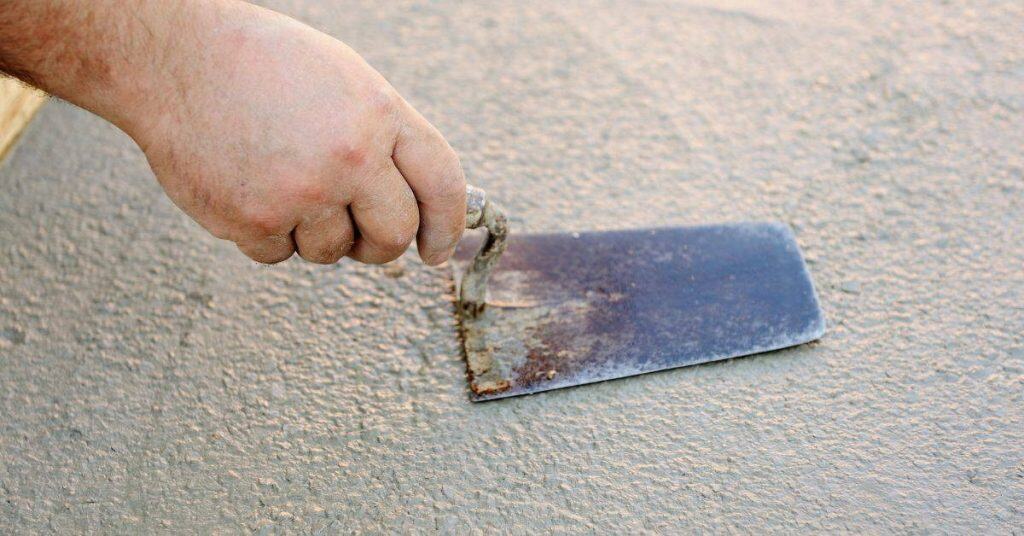
Hand holding a rusty trowel on a stucco surface

Diagnosing ‘Soft’ Stucco: Simple Probing Tests to Separate Surface Erosion From Lath Failure

Introduction Diagnosing soft stucco means using simple probing to tell if the issue is surface erosion or actual lath failure. This hands-on approach helps you identify trouble without tearing the whole wall apart. You’ll base any next steps on what the probe reveals about attachment and depth. Start with gentle, vertical and horizontal probing at […]
Diagnosing ‘Soft’ Stucco: Simple Probing Tests to Separate Surface Erosion From Lath Failure Read More »

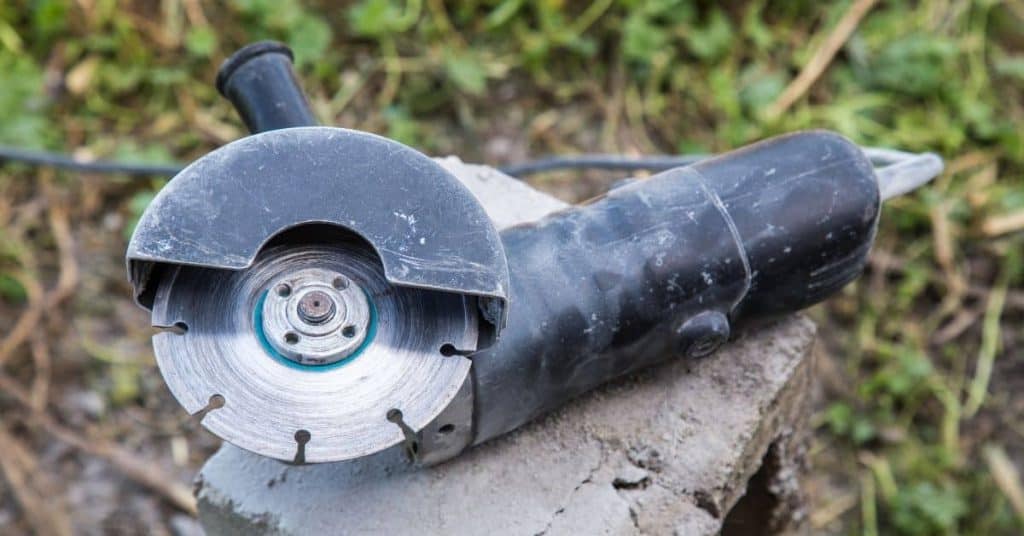
Angle grinder resting on concrete block outdoors

Repairing Stucco Behind Downspouts: Rebuilding the WRB and Getting the Termination Right

Introduction Repairing stucco behind downspouts means fixing the weather-resistant barrier and ensuring proper edge termination to prevent water intrusion. This is a hands-on DIY task that focuses on reestablishing a continuous moisture barrier and a clean transfer of water away from the wall. You’ll need to work behind the downspout area, where access and flashing

Repairing Stucco Behind Downspouts: Rebuilding the WRB and Getting the Termination Right Read More »

Close up of metal hose bib mounted on textured stucco wall

Mounting a Hose Reel on Stucco Without Cracking or Leaks (Fasteners, Spacers, Sealant)

Introduction Mounting a hose reel on stucco without cracking or leaks means securing the reel with proper fasteners, spacers, and sealant to protect the wall and keep water out. Use fasteners rated for masonry or stucco and add spacers to prevent screws from binding against the softer surface. Match the hardware to the wall substrate

Mounting a Hose Reel on Stucco Without Cracking or Leaks (Fasteners, Spacers, Sealant) Read More »

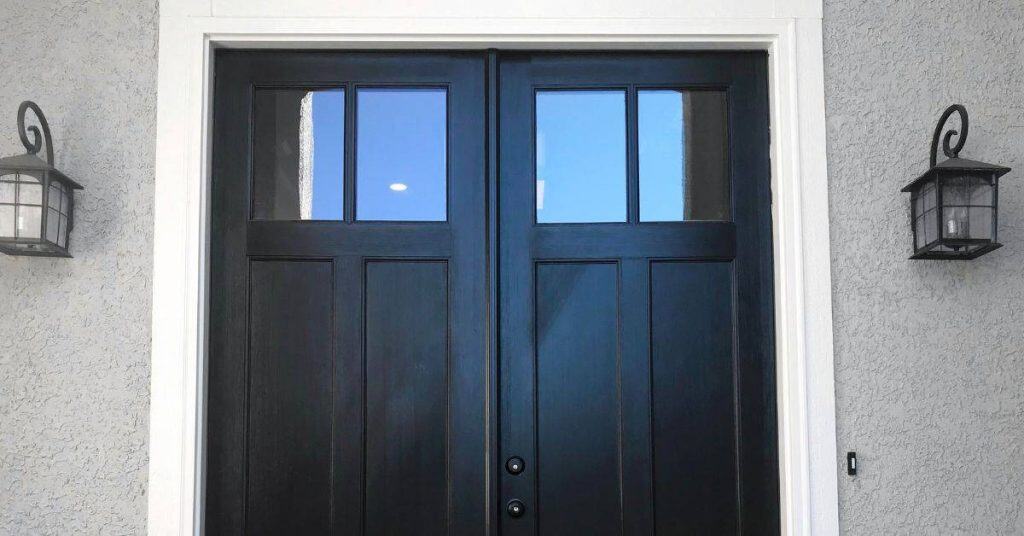
Black wooden double entry doors with glass panels and exterior wall lights

Backwrapping EIFS at Windows and Doors: What It Is and Why DIY Patches Fail Without It

Introduction Backwrapping EIFS at windows and doors means wrapping the exterior foam, weather barrier, and flashing around the rough opening to protect and seal it. It helps prevent water intrusion and wind-driven leaks where the openings meet the wall. DIY patches often fail when the edge around the opening isn’t wrapped and flashed properly. Without

Backwrapping EIFS at Windows and Doors: What It Is and Why DIY Patches Fail Without It Read More »

Worker spraying stucco onto concrete block wall

Stucco Drainage Mats Explained: When a ‘Rainscreen’ Layer Helps and How to Detail It

Introduction A rainscreen behind stucco is a ventilated gap that lets water drain and dry. This article explains when adding that layer helps and how to detail it for DIY projects. Check your local rules and product instructions for any specific gaps and materials. Set up a continuous, vented cavity behind the stucco using a

Stucco Drainage Mats Explained: When a ‘Rainscreen’ Layer Helps and How to Detail It Read More »

Person applying stain to outdoor wooden table with brush

Integral Color vs. Stain vs. Dye: A Homeowner Decision Guide by Location

Introduction Integral color is color mixed into the concrete mix before it sets. Stain and dye sit on or in the surface rather than throughout the slab. This guide helps homeowners decide by location and conditions. Applications differ: integral color is mixed in, stain is applied to the surface, and dye is usually sprayed or

Integral Color vs. Stain vs. Dye: A Homeowner Decision Guide by Location Read More »

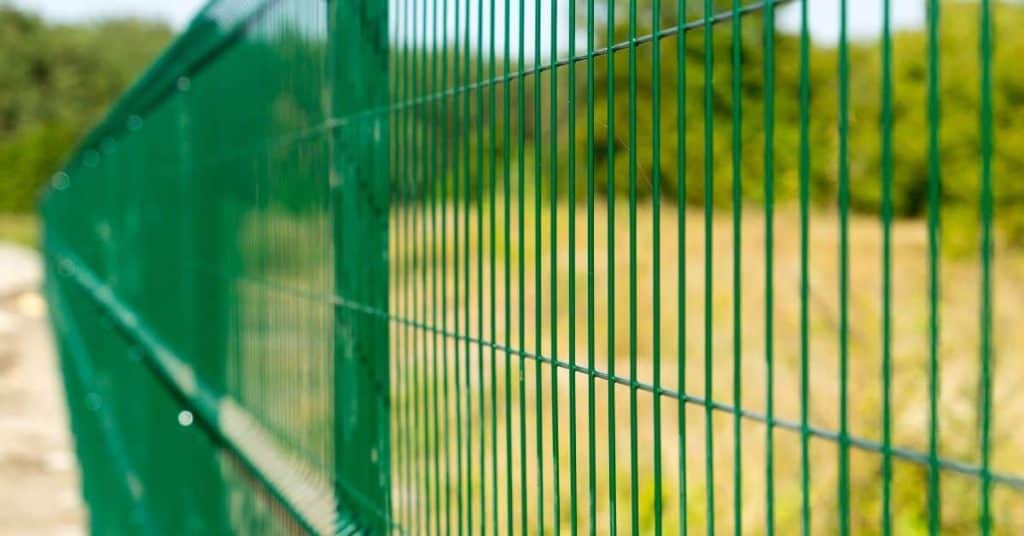
Green painted metal wire panel fence outdoors

Painting Galvanized Metal Outdoors: New vs. Weathered Zinc and Proper Primers

Introduction Galvanized metal is steel or iron coated with zinc to resist rust, and painting it outdoors requires the right primer and prep. Galvanizing can be done by hot-dip in zinc, which creates a sacrificial coating that will weather and may need surface prep before paint. New galvanized metal versus weathered material matters because the

Painting Galvanized Metal Outdoors: New vs. Weathered Zinc and Proper Primers Read More »

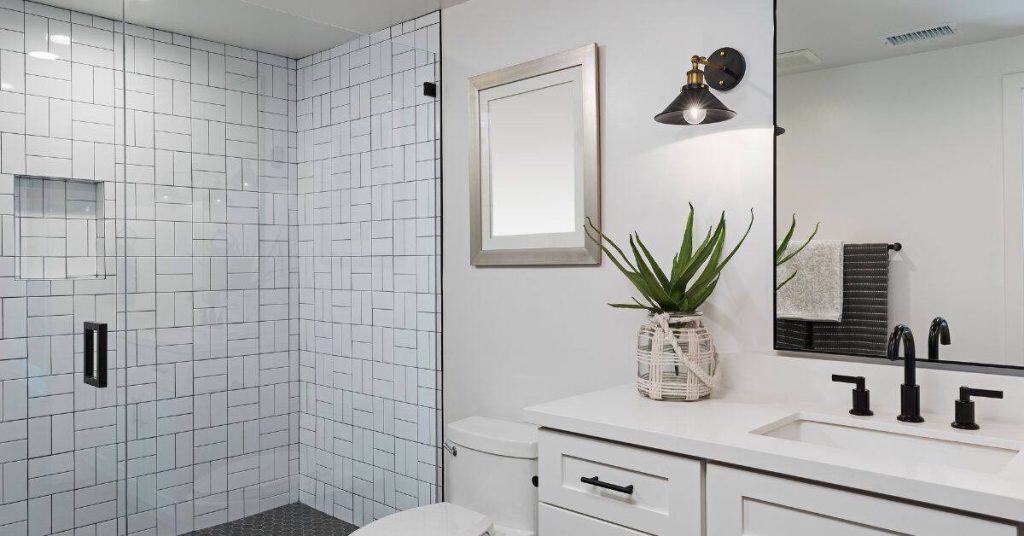
Modern bathroom with white tiled shower and glass door

Shower Bench Waterproofing: How to Build It So It Doesn’t Become a Sponge

Introduction Building a shower bench can enhance your bathroom’s functionality and aesthetics. However, it’s crucial to ensure proper waterproofing to prevent it from absorbing moisture like a sponge. In this guide, we’ll walk you through the process of constructing a waterproof shower bench that won’t become a soggy mess over time. Key takeaways Plan bench

Shower Bench Waterproofing: How to Build It So It Doesn’t Become a Sponge Read More »

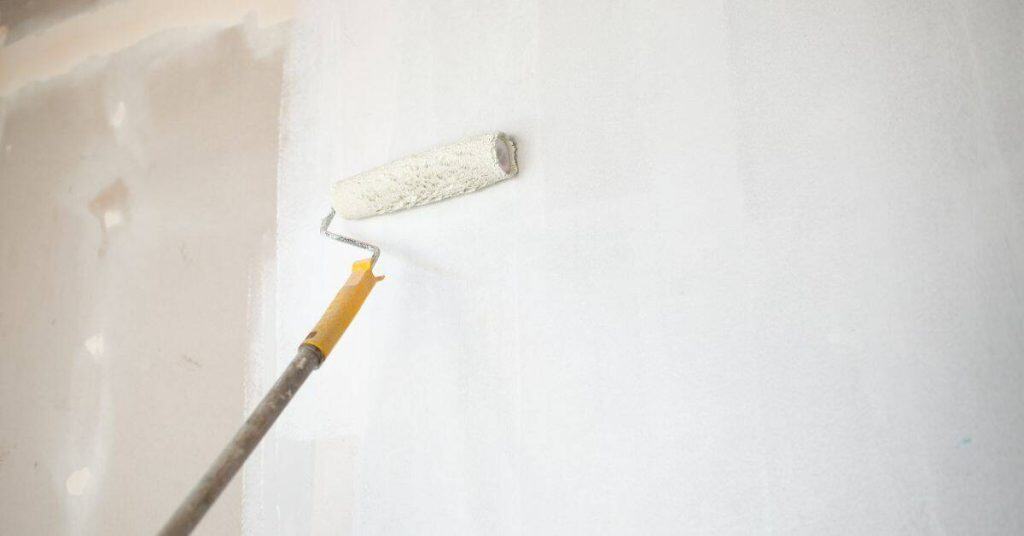
Paint roller applying white primer on drywall

Painting Over Nicotine-Stained Walls: The Primer Stack That Stops Yellow Bleed

Introduction A primer stack is a layered use of stain-blocking primers to stop nicotine bleed. Think of it as sealing the wall with the right primer before you paint. You’ll typically start with cleaning, choosing primers, and letting them dry per label. Then you build the finish with a topcoat that suits the surface after

Painting Over Nicotine-Stained Walls: The Primer Stack That Stops Yellow Bleed Read More »

Person holding paint roller with rust-colored paint near paint-splattered ladder

Surfactant Leaching vs. Tannin Bleed vs. Rust Stains: A Homeowner Spotting Guide

Introduction This guide explains how to tell apart three common concrete stains: surfactant leaching, tannin bleed, and rust stains. Surfactant leaching shows up as a misty haze or shiny film as cleaners dry. Tannin bleed comes from wood and leaves brown hues, while rust stains look reddish and originate from metal. To identify which you

Surfactant Leaching vs. Tannin Bleed vs. Rust Stains: A Homeowner Spotting Guide Read More »