Search Results for: brick without cleaning mortar

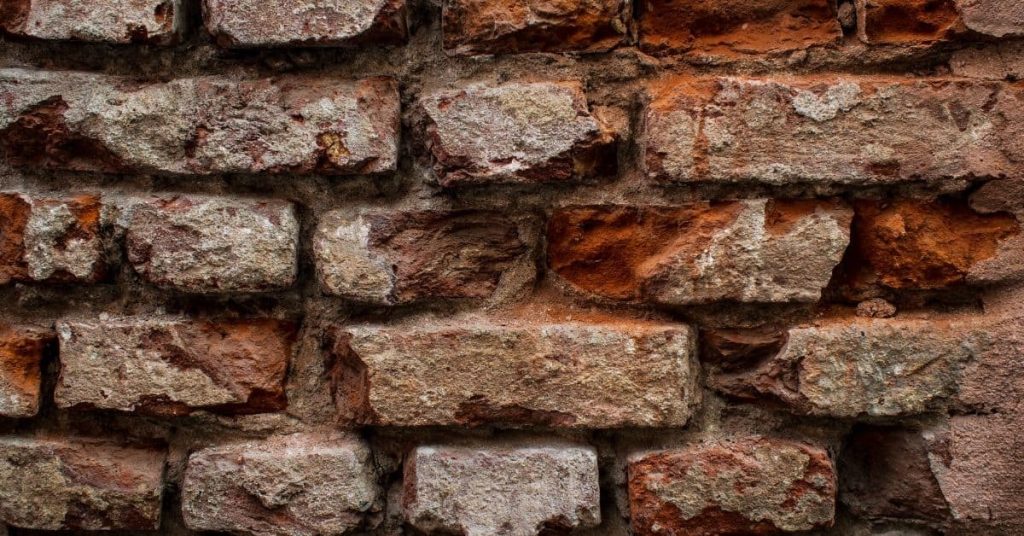
close-up of weathered rough red brick wall texture

Cleaning soot on brick fireplaces: products that won’t etch and how to avoid streaks

Introduction Soot on brick fireplaces can be cleaned safely with non-etching cleaners and careful scrubbing. Soot is a byproduct that can stain surfaces and leave a dusty film. Choose cleaners labeled gentle for masonry and follow the product directions. Gather soft brushes, sponges, and a bucket of warm water, and avoid abrasive pads that can […]

Cleaning soot on brick fireplaces: products that won’t etch and how to avoid streaks Read More »
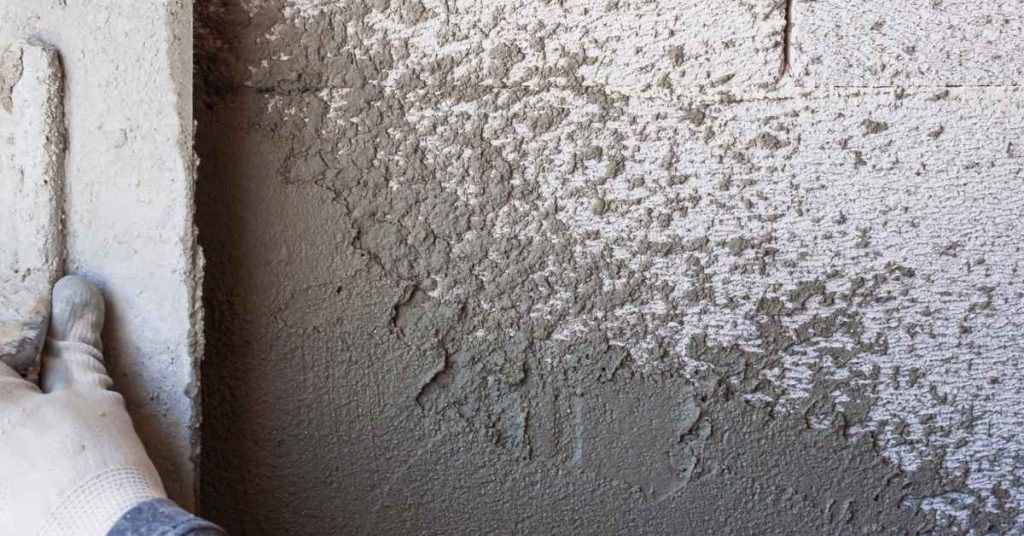
Gloved hand applying stucco scratch coat on lath

Stucco scratch coat keying: getting bite on lath without overworking the mix

Introduction Keying the scratch coat means creating a rough, gripping surface on the lath so the plaster adheres without excessive manipulation. It gives the base a bite that helps the next layer hold. Start with thorough surface preparation: clean and dampen the lath so dust is removed and the surface isn’t drawing moisture too quickly.

Stucco scratch coat keying: getting bite on lath without overworking the mix Read More »

Closeup of cracked frozen soil surface with ice coatings

Freeze-thaw on brick patios: bedding, drainage, and joint fill that survives

Introduction Freeze-thaw on brick patios means water trapped in bedding, drainage, and joints can crack or lift bricks when temperatures swing below and above freezing. This article covers how to select bedding, manage drainage, and fill joints so a DIY patio can survive those cycles. You’ll focus on simple checks you can do before you

Freeze-thaw on brick patios: bedding, drainage, and joint fill that survives Read More »

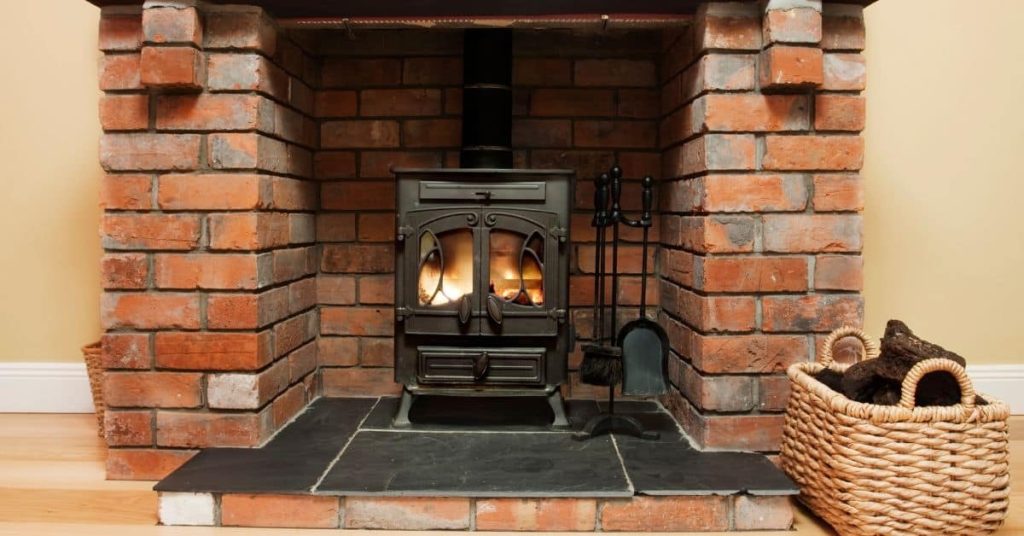
Black wood stove inside brick fireplace with fire tools and basket

Cleaning soot on fireplaces: products that won’t etch and how to avoid streaks

  Introduction Cleaning soot on fireplaces means removing soot and smoke marks without harming the surface. Use non-etching cleaners and test on a hidden spot first, then work in gentle, small sections. Avoid abrasive scrubbers and harsh acids; follow label instructions and local rules. To avoid streaks, wipe from top to bottom and use a

Cleaning soot on fireplaces: products that won’t etch and how to avoid streaks Read More »
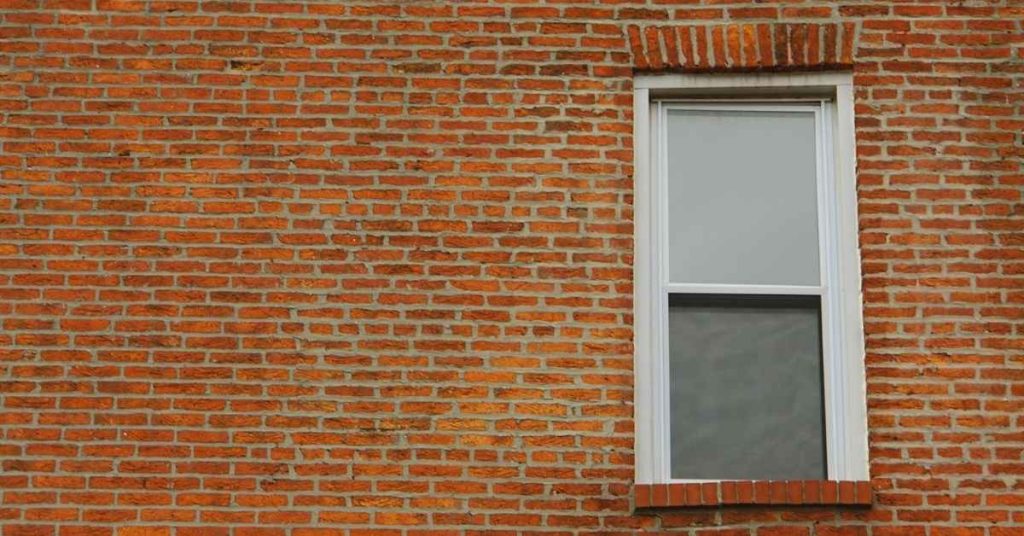
Brick wall with window and brick lintel above

Replacing a Rusted Brick Lintel: Supporting the Wall and Preventing Future Stains

Introduction Replacing a rusted brick lintel means removing the corroded support above an opening and installing a proper replacement to keep the wall carrying loads. Before you touch it, set up temporary shoring to hold the wall while you work, and inspect the surrounding brick and mortar for damage. Check local rules and the manufacturer’s

Replacing a Rusted Brick Lintel: Supporting the Wall and Preventing Future Stains Read More »

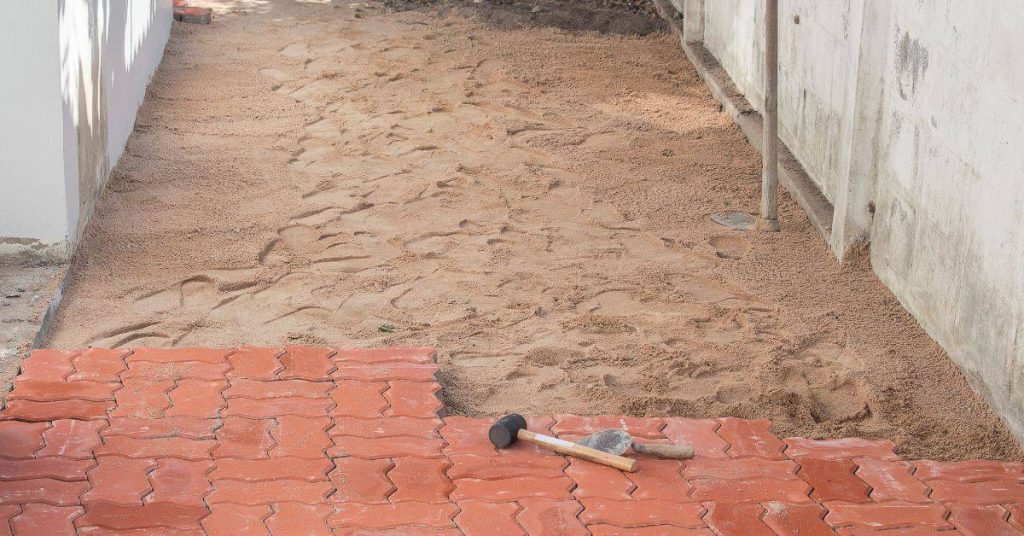
Partially laid red brick pavers with sand base and tools

Rebuilding Loose Brick Steps: When to Reset vs Rebuild (and how to prep the base)

Introduction Resetting loose brick steps means stabilizing the stairs by cleaning the base, re-seating the bricks, and securing them so the steps are solid again. This article walks you through deciding when to reset versus rebuild and how to prep the base. You’ll find practical, hands-on tips for a DIY job without fancy gear. Start

Rebuilding Loose Brick Steps: When to Reset vs Rebuild (and how to prep the base) Read More »

Woman painting kitchen cabinets brown with brush

Painting Brick Without Trapping Moisture: Mineral Paint vs Acrylic Reality

Introduction Mineral paint lets brick breathe and dry without trapping moisture. Acrylic finishes sit on the surface and can seal moisture in if the surface isn’t prepared or the weather isn’t right. In this article I’ll lay out practical, hands‑on steps so you know what to check before you paint. Before you buy, read the

Painting Brick Without Trapping Moisture: Mineral Paint vs Acrylic Reality Read More »

Hand holding electric drill with bit against white brick wall

Removing Paint from Brick: What Works Without Turning Faces to Powder

Introduction Removing paint from brick means stripping paint while keeping the brickwork intact and the mortar sound. This DIY guide focuses on practical, low-damage approaches you can do with common tools and safe techniques. You’ll want to test on a small area first and watch for powdering or etching, then proceed carefully. Start with gentle

Removing Paint from Brick: What Works Without Turning Faces to Powder Read More »

Black painted brick wall with uneven paint coverage

Interior Painted Brick Done Right: Bond Tests, Primers, and Bleed-Through Fixes

Introduction Interior painted brick means coating interior brick walls with paint using proper prep to ensure adhesion and durability. This article covers how to test for good bond, what primers to use, and how to fix bleed-through in plain, hands-on terms. You’ll find practical steps you can follow on a DIY job site and what

Interior Painted Brick Done Right: Bond Tests, Primers, and Bleed-Through Fixes Read More »