Search Results for: brick without cleaning mortar

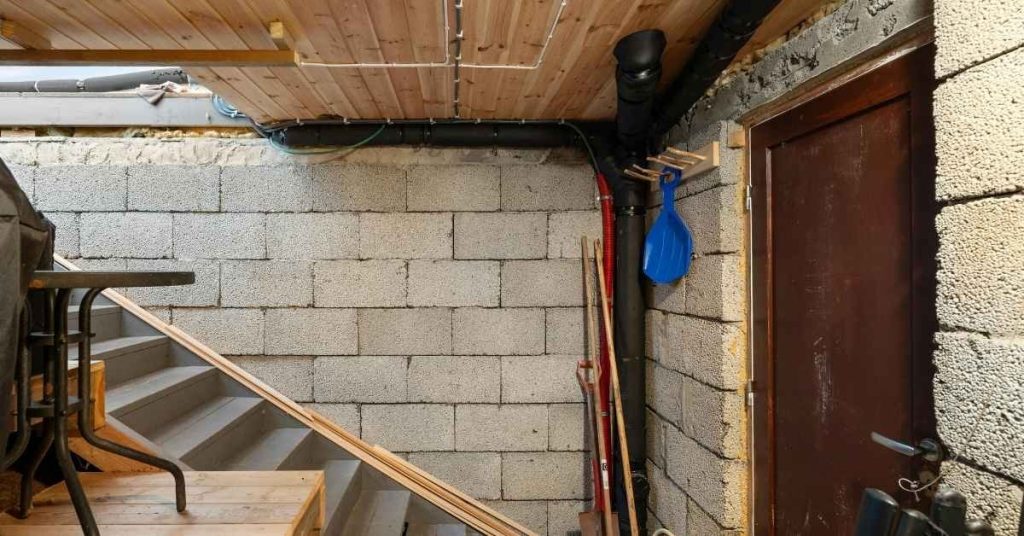
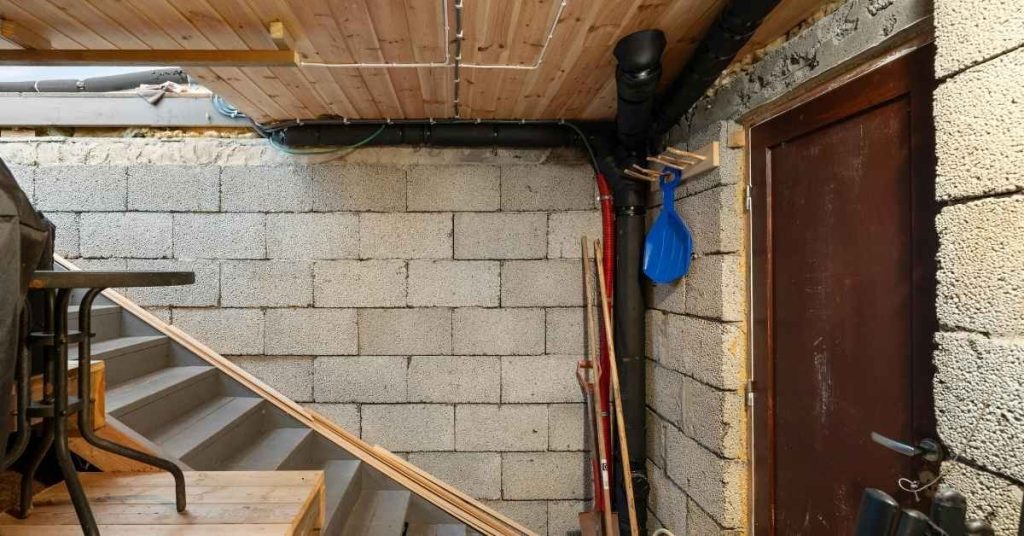
Unfinished basement with concrete block walls and stairs

Setting Anchors in Hollow Block: Screens, Injection, and Pullout Reality

Introduction Setting anchors in hollow block walls means choosing a fastener and method that grip the hollow cores and solid faces to hold a load. For DIYers, two common paths are using a screen-type system or an injection method, each with its own prep and placement steps. This introduction explains what to expect and what […]

Setting Anchors in Hollow Block: Screens, Injection, and Pullout Reality Read More »
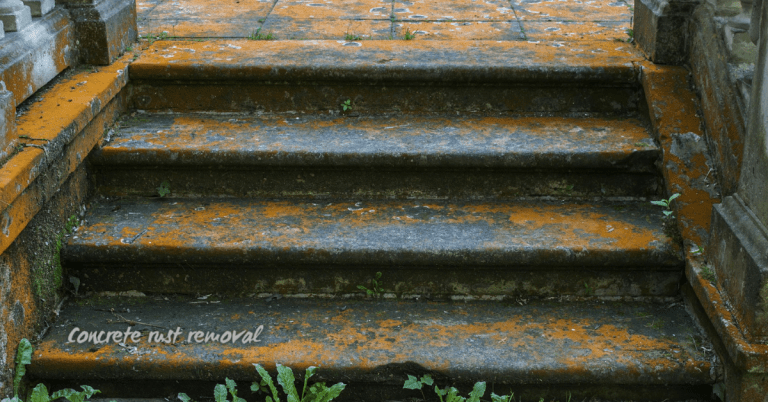
Concrete steps with orange rust stains and some plants growing

DIY Salt Damage Prevention for Steps: Pre-Winter Sealer Checks and Drainage Tweaks

Introduction Salt damage prevention for steps means preparing concrete stairs to resist freeze-thaw and salt exposure before winter. This involves inspecting surfaces, cleaning debris, and checking the edge seals so water and salt don’t penetrate. Keep an eye on cracks or chips and plan resealing if you spot trouble. Before the cold sets in, look

DIY Salt Damage Prevention for Steps: Pre-Winter Sealer Checks and Drainage Tweaks Read More »

unfinished basement with concrete block walls wooden ceiling and stairs

Setting Anchors in Hollow Block: Screens, Injection, and Pullout Reality

Introduction Anchoring in hollow block means securing fasteners or anchors into hollow concrete masonry units so they can hold a load. In practice, you choose a method based on the block’s hollow cores and what you’re anchoring. This article explains the hands-on steps, what to expect, and how to tell if an anchor is set

Setting Anchors in Hollow Block: Screens, Injection, and Pullout Reality Read More »
Hands using pliers to pull wire from wall socket opening

Repairing Plaster After Removing Tile: Flattening, Bonding, and Preventing Future Cracks

Introduction Repairing plaster after removing tile means leveling the wall, applying a bonding layer, and getting it ready for plaster. Start by cleaning the surface, removing tile film, and filling any gouges or ridges to create a flat base. Then identify high spots and plan to flatten them with gentle passes and proper feathering of

Repairing Plaster After Removing Tile: Flattening, Bonding, and Preventing Future Cracks Read More »

White electrical outlet on a painted white wall

Limewash Over Previously Painted Walls: What Prep Makes It Stick (and What Doesn’t)

Introduction Limewash can be applied over previously painted walls with proper prep to let it stick. Start by cleaning and inspecting the surface, scraping off loose paint, and washing until it’s clean and dry. Then follow the product label directions and any local rules for bonding or priming as needed. In practice, the beginners’ approach

Limewash Over Previously Painted Walls: What Prep Makes It Stick (and What Doesn’t) Read More »

rusty masonry trowel with wooden handle on white background

Choosing Caulk for Masonry Joints: Polyurethane vs Hybrid vs Silicone Where Each Wins

Introduction Polyurethane, hybrid, and silicone caulks each have different strengths for masonry joints, and the right choice depends on movement, exposure, and adhesion. In practice, ‘caulk’ and ‘sealant’ are terms you’ll hear used for similar products, but the key is how much they can stretch and how well they grip masonry. This article walks through

Choosing Caulk for Masonry Joints: Polyurethane vs Hybrid vs Silicone Where Each Wins Read More »

Close-up of stucco render partially covering fiberglass mesh

EIFS Impact Damage Prevention: Mesh Weights, Additional Layers, and Vulnerable Zone Detailing

Introduction EIFS impact damage prevention means using proper mesh weights, extra applications, and careful detailing in vulnerable zones to resist impact. As a DIYer, you’ll focus on securing the base coat mesh, adding layers as allowed, and outlining high-risk areas. Always check the product label and local rules for what’s allowed. Start by identifying vulnerable

EIFS Impact Damage Prevention: Mesh Weights, Additional Layers, and Vulnerable Zone Detailing Read More »

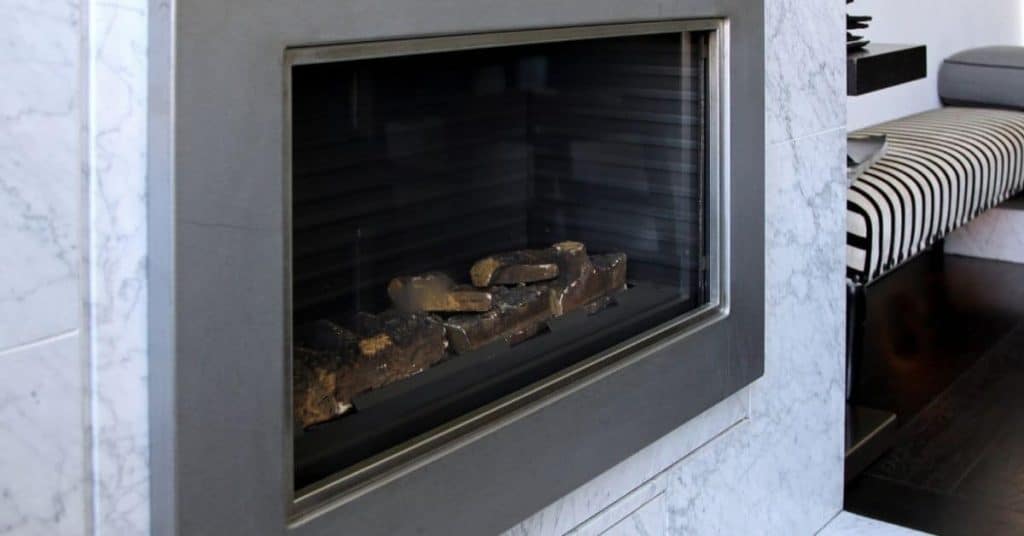
Modern gas fireplace with marble surround and striped bench nearby

Concrete Fireplace Surrounds: Heat Cycling, Crack Control, and Safe Clear-Coat Options

Introduction Concrete fireplace surrounds are finished concrete frames around a fireplace that can handle heat cycling with proper care. They need attention to how heat shifts and ages the surface, especially where the surround meets the hearth and mantel. The goal is a durable, even finish that resists cracking and looks good for years. Crack

Concrete Fireplace Surrounds: Heat Cycling, Crack Control, and Safe Clear-Coat Options Read More »

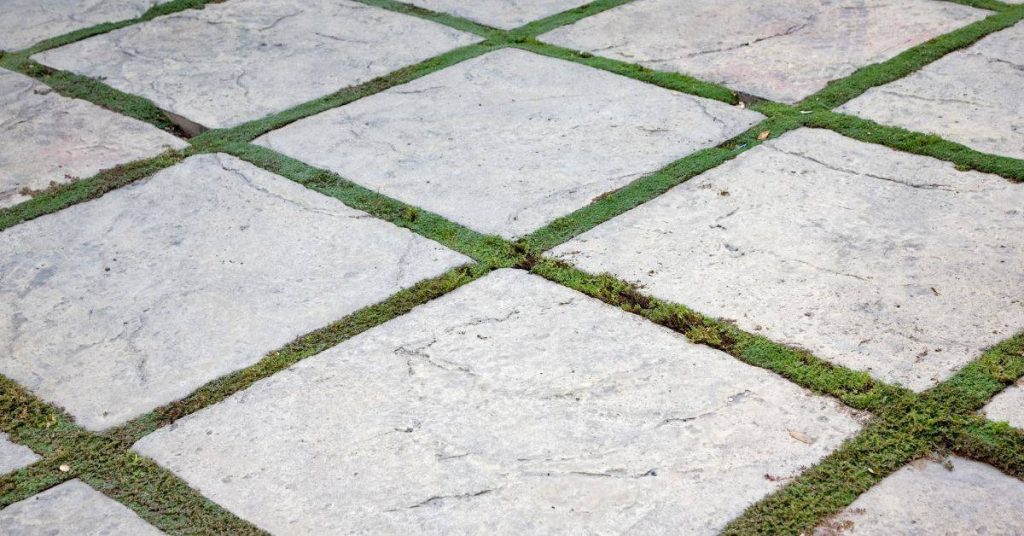
Square stone pavers with green moss in the joints

Sandblasted Finishes: Uniformity Tricks and How to Avoid Shadowing Around Joints

Introduction Sandblasted finishes are a textured surface created by blasting marble with abrasive media to reveal the stone’s grain. The result is a matte, slip-resistant look that hides tiny flaws and can add character to a space. As a DIY project, it’s important to understand that consistency comes from planning, the right media, and steady

Sandblasted Finishes: Uniformity Tricks and How to Avoid Shadowing Around Joints Read More »

Freshly poured wet concrete slab inside an unfinished room

Preventing Efflorescence From New Concrete: Water Sources, Curing, and Breathable Protection

Introduction Efflorescence is the white, powdery or crusty mineral deposit that appears on concrete when water moves minerals to the surface. It happens when moisture inside the slab or plaster carries soluble salts to the surface as it evaporates. Identify sources of moisture—wet curing, rain exposure, groundwater, or humid environments—and understand that surface coatings can

Preventing Efflorescence From New Concrete: Water Sources, Curing, and Breathable Protection Read More »