Search Results for: brick joint height

Preparing Damp Basement Walls for Paint: Drying, Dehumidifying, and Coating Solutions

Preparing Damp Basement Walls for Paint: Drying, Dehumidifying, and Coating Solutions

Introduction To prepare damp basement walls for painting, dry the walls, reduce humidity, and apply appropriate coatings. The guide explains practical drying methods, humidity control tips, and coating options you can use to prevent moisture problems and achieve a lasting, smooth finish. Related: 7 Common Causes of Watery Paint and How to Fix Them. Key […]

Preparing Damp Basement Walls for Paint: Drying, Dehumidifying, and Coating Solutions Read More »

Why Is My Concrete Paint Thin and Runny? Causes and Fixes for Watery Paint on Driveways and Patios

Why Is My Concrete Paint Thin and Runny? Causes and Fixes for Watery Paint on Driveways and Patios

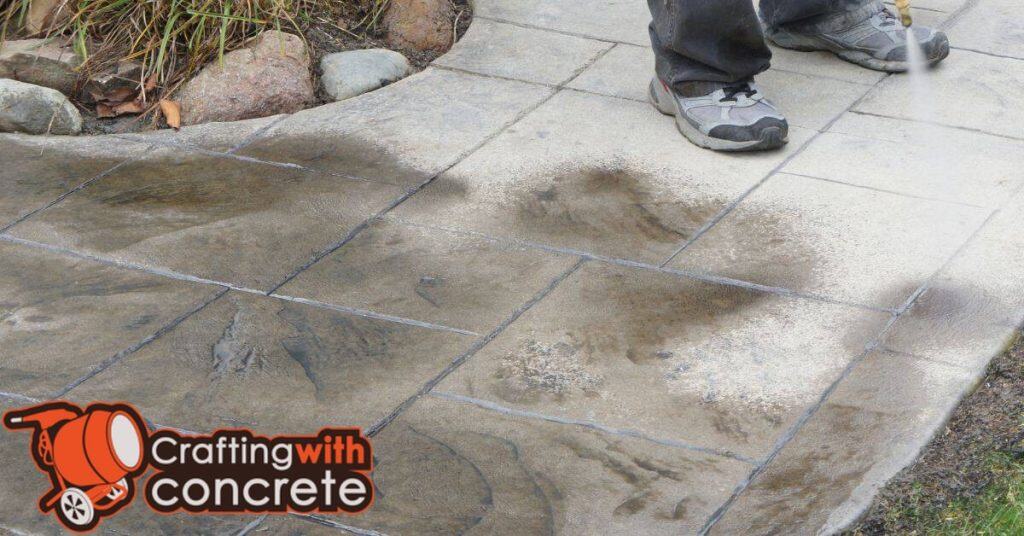
Introduction Concrete paint on driveways and patios becomes thin and runny due to improper mixing, excessive water content, or environmental conditions. In this guide you’ll learn how to diagnose the causes, determine if you need to adjust the mix, and apply practical fixes to restore thickness and durability. Related: 7 Common Causes of Watery Paint

Why Is My Concrete Paint Thin and Runny? Causes and Fixes for Watery Paint on Driveways and Patios Read More »

Diy Guide: Installing a Ca6 Gravel Base for a Compact, Low-Maintenance Driveway

Diy Guide: Installing a Ca6 Gravel Base for a Compact, Low-Maintenance Driveway

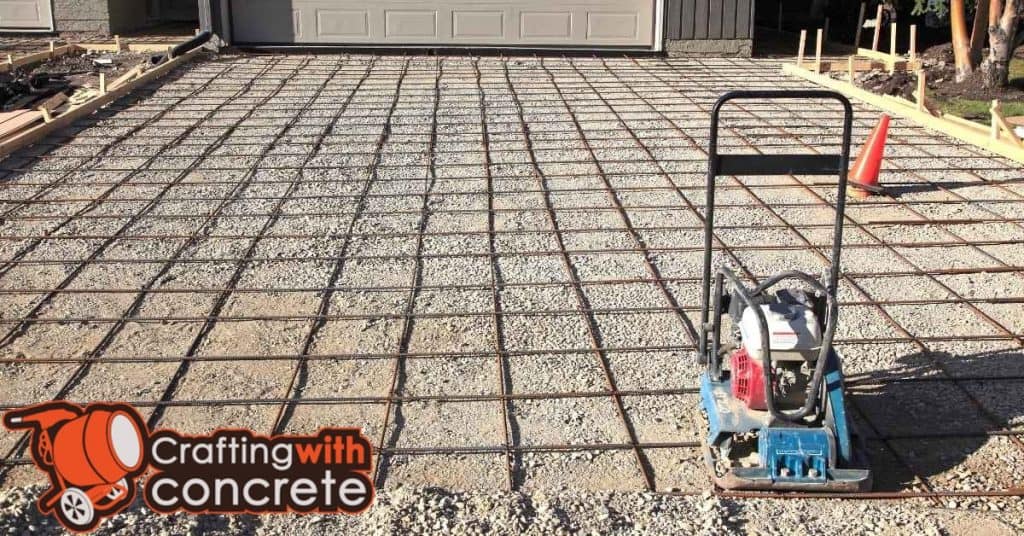
Introduction A CA6 gravel base can create a compact, low-maintenance driveway when installed correctly. You’ll learn the key steps—from choosing the right CA6 mix and preparing the sub-base to laying and compacting the gravel for stability. The guide walks through practical tips, common pitfalls, and rules of thumb to help you achieve a durable driveway

Diy Guide: Installing a Ca6 Gravel Base for a Compact, Low-Maintenance Driveway Read More »

How to Choose Between Ca6 and #57 Gravel for Your Driveway: a Practical Comparison and Decision Guide

How to Choose Between Ca6 and #57 Gravel for Your Driveway: a Practical Comparison and Decision Guide

Introduction Choose the right driveway gravel by comparing Ca6 and #57 gravel based on their drainage, compaction, and cost. This guide walks through practical criteria, common scenarios, and simple rules of thumb you can apply to decide which gravel grade fits your driveway. Related: Everything You Need to Know About CA6 Gravel: A Comprehensive Guide.

How to Choose Between Ca6 and #57 Gravel for Your Driveway: a Practical Comparison and Decision Guide Read More »

How to Repair and Level a Sunken Basement Floor Using Mudjacking (diy Guide)

How to Repair and Level a Sunken Basement Floor Using Mudjacking (DIY Guide)

Introduction Mudjacking is a practical method to lift and level a sunken basement floor. This guide will show you the practical steps, safety considerations, and common tips for preparing the space, mixing the material, and performing the lift. By the end, you’ll understand when DIY is appropriate and how to avoid common mistakes. Related: How

How to Repair and Level a Sunken Basement Floor Using Mudjacking (DIY Guide) Read More »

Step-by-Step: Performing a Diy Moisture Scan Around Windows and Flashing in Stucco Walls

Step-by-Step: Performing a Diy Moisture Scan Around Windows and Flashing in Stucco Walls

Introduction You can perform a DIY moisture scan around windows and flashing in stucco walls to detect hidden moisture. The guide walks through practical steps, safety tips, and common signs of water intrusion, so you’ll learn how to inspect flashing, assess the condition around window openings, and understand what actions to take to protect the

Step-by-Step: Performing a Diy Moisture Scan Around Windows and Flashing in Stucco Walls Read More »

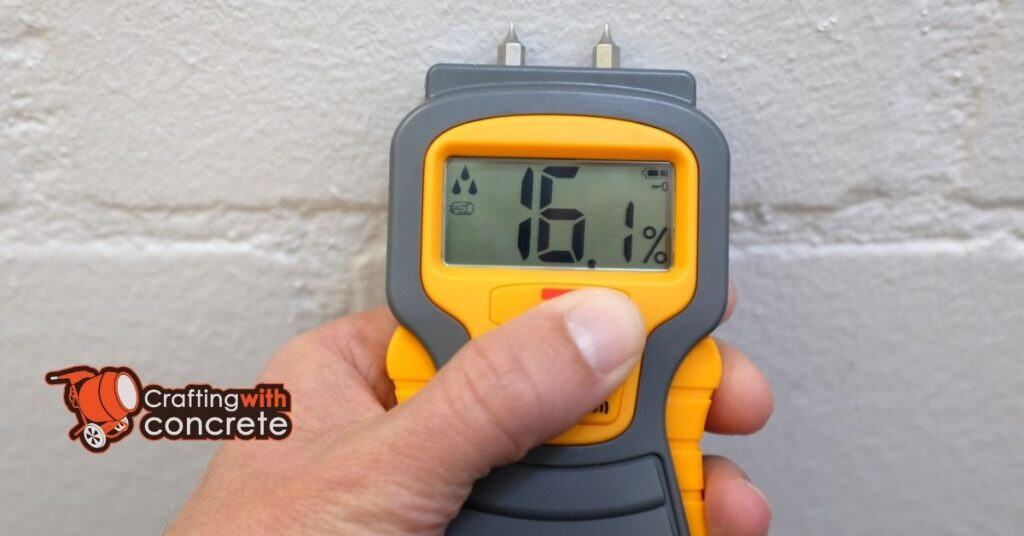
Pin Vs Pinless: Choosing the Right Moisture Meter for Stucco Inspections

Table of Contents Why moisture measurement matters for stucco-clad buildings How pin moisture meters work (technical deep dive) How pinless moisture meters work (technical deep dive) Head-to-head comparison: pros, cons, and performance factors Stucco-specific inspection protocols and best practices Troubleshooting false positives and ambiguous readings on stucco Calibration, maintenance, and meter settings for accurate results

Pin Vs Pinless: Choosing the Right Moisture Meter for Stucco Inspections Read More »

Best Sealants and Tapes for Repairing Wrbs Around Window and Door Openings

Best Sealants and Tapes for Repairing WRBs Around Window and Door Openings

Table of Contents Overview: Why WRB Repairs Around Openings Matter Sealant Types and Best Uses (Silicone, Polyurethane, Hybrid/MS) Flashing Tapes vs Liquid‑Applied Membranes Surface Preparation and Adhesion Best Practices Installation Sequences and Step‑by‑Step Flashing Details Technical Specs to Compare (Adhesion, Movement, UV, Temp) Product Selection Flowchart and Climate/Substrate Guidance Tools, Materials Checklist and Job-Site Best

Best Sealants and Tapes for Repairing WRBs Around Window and Door Openings Read More »

How to Patch Small Wrb Punctures with Liquid Flash Before Re-Stucco

How to Patch Small Wrb Punctures with Liquid Flash Before Re-Stucco

Table of Contents Why WRB Integrity Matters Before Stucco When to Use Liquid Flash vs. Tape or Full Panel Repair Recommended Liquid Flash Products and Compatibility Matrix Tools, PPE, and Materials Checklist Step‑by‑Step Repair Method for Small Punctures (Exact Technique) Curing, Environmental Limits, and Inspection Criteria Integration with Stucco Lath and Finish Work Troubleshooting, Common

How to Patch Small Wrb Punctures with Liquid Flash Before Re-Stucco Read More »

Patching Small WRB (Weather-Resistive Barrier) Punctures Before Re-Stucco

Patching Small WRB (Weather-Resistive Barrier) Punctures Before Re-Stucco

Table of Contents Why WRBs Matter for Stucco Cladding Types of WRB Materials Compatible with Stucco How to Inspect a WRB Before Re‑Stucco Diagnosing Punctures vs. Underlying Damage Approved Repair Materials and When to Use Them Step‑by‑Step: Patching Small Punctures in Housewrap Step‑by‑Step: Patching Punctures in Self‑Adhered Membranes Sealing Fastener Penetrations and Nail Holes Flashing

Patching Small WRB (Weather-Resistive Barrier) Punctures Before Re-Stucco Read More »