Search Results for: best epoxy for floor leveling

Unfinished multi-story concrete building structure outdoors

Self-leveling overlays on concrete: dams, primers, and stopping pinholes and ripples

Introduction Self-leveling overlays are pourable surface toppings designed to flow into low spots and produce a flat, smooth concrete surface. They rely on proper surface preparation, containment dams at edges, and primer or bond agents to promote adhesion. Always follow the material manufacturer’s instructions for mixing, compatibility with the concrete, and cure requirements. Before you […]

Self-leveling overlays on concrete: dams, primers, and stopping pinholes and ripples Read More »
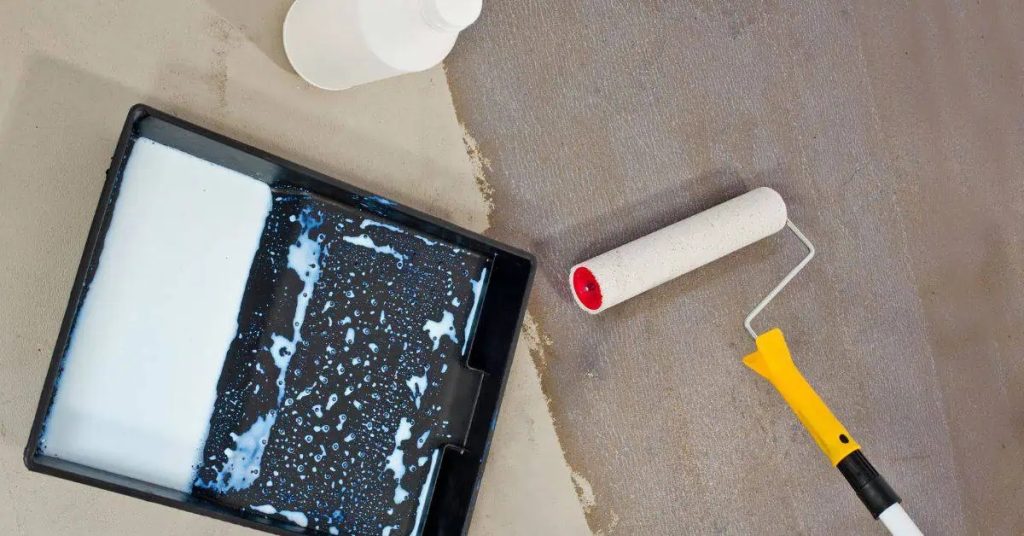
Paint roller and tray with white primer on concrete floor

Self-Leveling Overlays on Concrete: Dams, Primers, and Stopping Pinholes and Ripples

Introduction Self-leveling overlays are thin, cement-based compounds poured over concrete to create a smooth, level surface. They are applied after proper substrate preparation to fill minor irregularities and set with minimal manual leveling. A proper dam at edges and openings helps keep the mix in place as it cures. People doing this at home should

Self-Leveling Overlays on Concrete: Dams, Primers, and Stopping Pinholes and Ripples Read More »

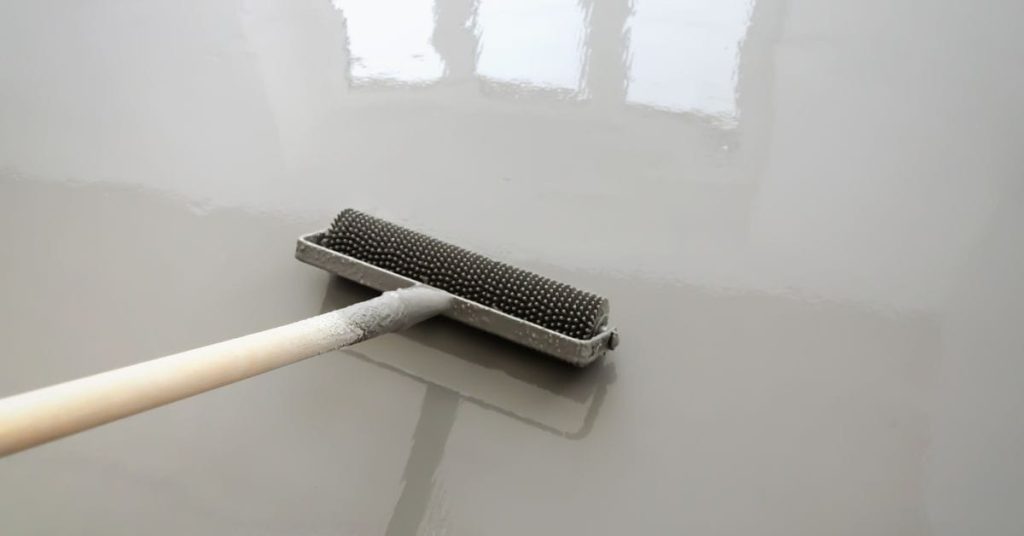
Freshly poured self-leveling concrete floor with a spiked roller

Self-leveling overlays: dams, primers, and stopping pinholes and ripples

Introduction Self-leveling overlays are a flowable floor topping that settles itself to create a flat, smooth surface. This article covers dams, primers, and ways to stop pinholes and ripples in a DIY setup. Always follow the product label and local rules for mixing and curing. Quality control and temperature management matter to avoid early cracks

Self-leveling overlays: dams, primers, and stopping pinholes and ripples Read More »

Wet concrete being poured onto floor surface

Concrete Control Joints Around Floor Drains: Crack Steering Without Creating a Lip

Introduction Concrete control joints around floor drains are expansion joints that help crack control by isolating the drain area from the surrounding slab. They create a defined weak plane that guides cracks away from the drain and keep a smooth surface around the lip. This is a practical, hands-on detail you can plan for during

Concrete Control Joints Around Floor Drains: Crack Steering Without Creating a Lip Read More »

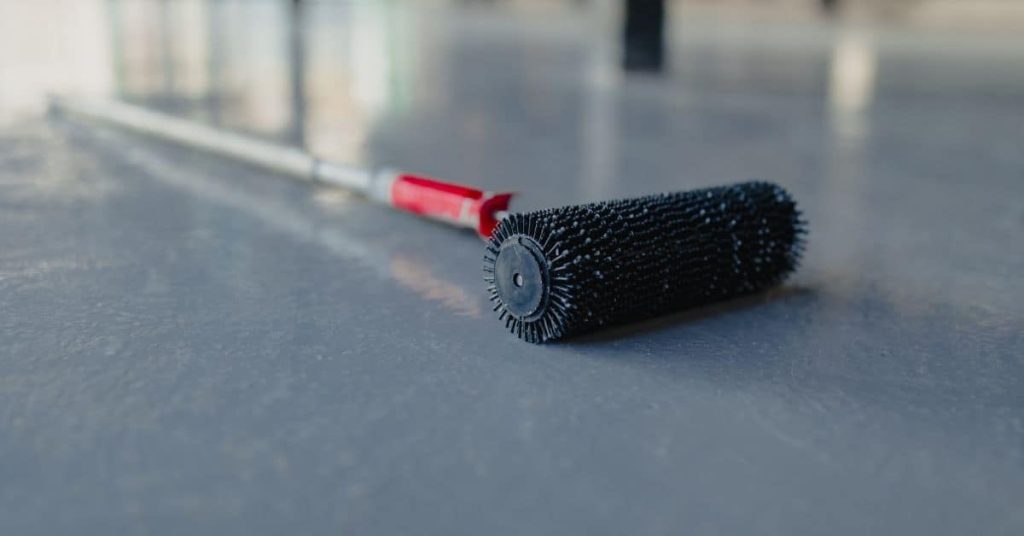
Black spiked roller with red handle on smooth floor surface

Topcoating Epoxy With Urethane: Recoat Windows and Sanding Levels That Prevent Delam

Introduction Topcoating epoxy with urethane is applying a urethane topcoat over an epoxy coating to seal and protect the finish. This step adds abrasion resistance and UV protection beyond the epoxy layer. Do it only after the epoxy has cured as instructed and the surface is clean and prepared for a new coat. Choose compatible

Topcoating Epoxy With Urethane: Recoat Windows and Sanding Levels That Prevent Delam Read More »

Paint roller with textured surface applying coating on floor

Flake Floor Topcoat Orange Peel: Roller Choice, Pot Life, and Temperature Effects

Introduction Flake Floor Topcoat Orange Peel is a textured coating finish created by rolling to leave small pits in the surface. Choose a roller with a short nap and a smooth frame, and test small areas to see how the texture lands. Apply in even coats and follow the manufacturer’s guidance for drying and cure

Flake Floor Topcoat Orange Peel: Roller Choice, Pot Life, and Temperature Effects Read More »

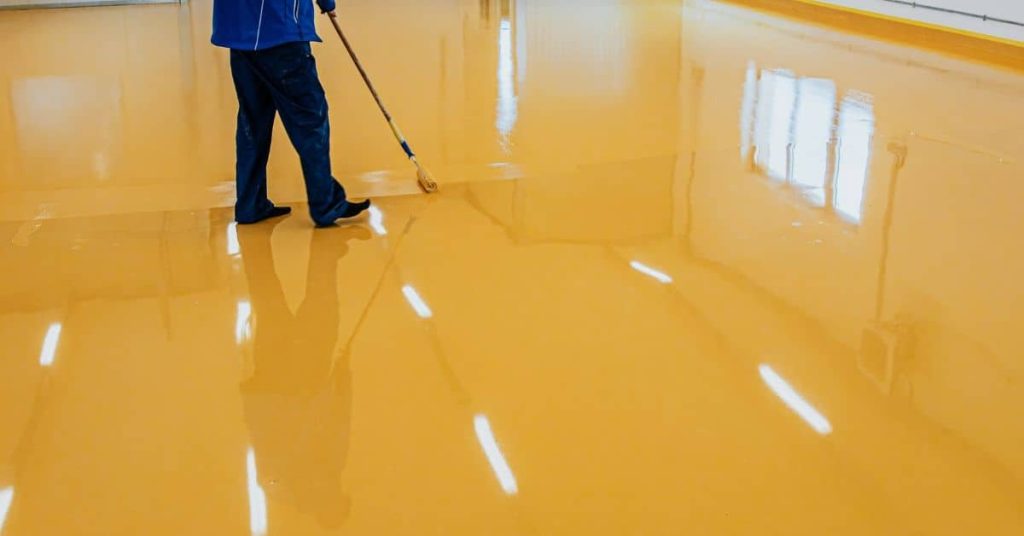
Person applying yellow epoxy coating on floor with roller

Anti-Static Floor Coatings: When They Matter in Workshops and DIY Limits

Introduction Anti-static floor coatings are coatings that reduce static electricity buildup on concrete floors. In a workshop or DIY space, they help prevent shocks and protect sensitive tools. Choose a coating that suits foot traffic and cleaning needs, and follow the label for surface prep. Before applying, test the concrete for moisture and cleanliness, and

Anti-Static Floor Coatings: When They Matter in Workshops and DIY Limits Read More »

Close-up of a gray concrete slab surface with cracks and pitting

Concrete Dusting Floors: Why the surface powders and how to harden it

Introduction Concrete dusting is the surface powdering that happens when the upper layer of the concrete wears away, leaving a chalky film. It can occur from weak finishing, too much air in the mix, poor curing, or heavy traffic without protection. Understanding the signs helps you decide whether to protect, repair, or reseal the floor.

Concrete Dusting Floors: Why the surface powders and how to harden it Read More »

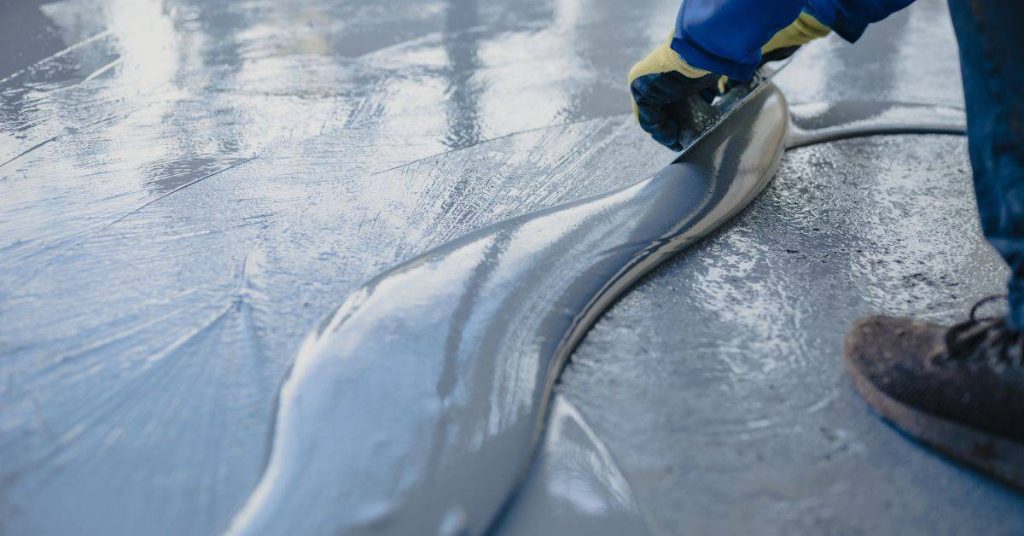
Worker applying grey epoxy floor coating with gloved hand

Primer for Overlays: Acrylic vs Epoxy (Choosing the Right System)

Introduction Acrylic and epoxy primers are two common options for preparing concrete overlays, each with distinct behavior and work styles. Acrylic primer typically dries faster and tolerates some movement, while epoxy primer tends to offer greater adhesion and chemical resistance. Look at the label for cure times, substrate compatibility, and any recommendations for overlays to

Primer for Overlays: Acrylic vs Epoxy (Choosing the Right System) Read More »