Search Results for: best concrete floor repair

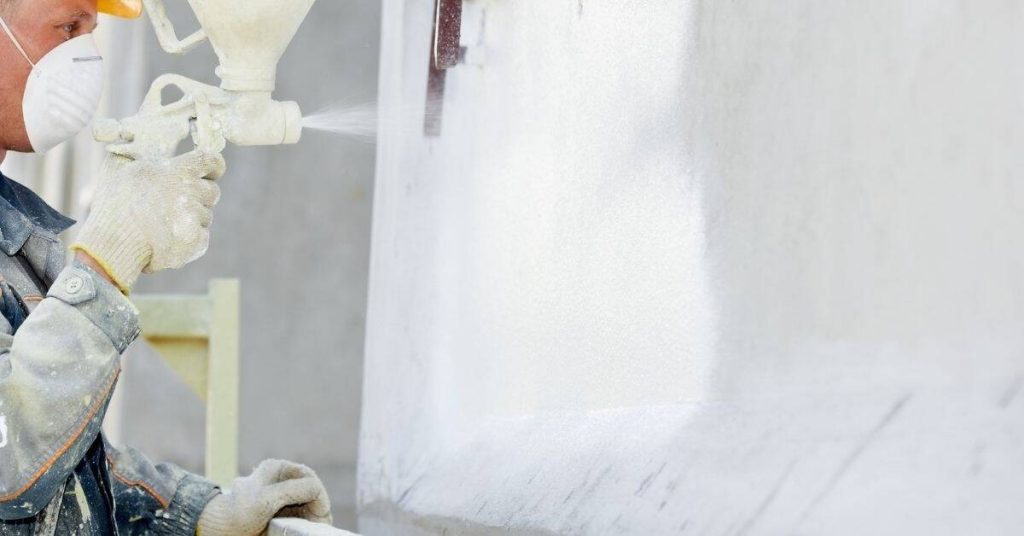
Worker spraying white coating onto stucco wall with spray gun

Breathable vs waterproof stucco coatings: choosing paint that won’t trap moisture

Introduction Breathable coatings let moisture escape from the wall while waterproof coatings block water from entering. In practice, choosing between them for stucco means balancing moisture movement with the need for surface protection. Always follow the product label and consider how your climate and surface condition will interact with the coating. Temperature changes can affect […]

Breathable vs waterproof stucco coatings: choosing paint that won’t trap moisture Read More »

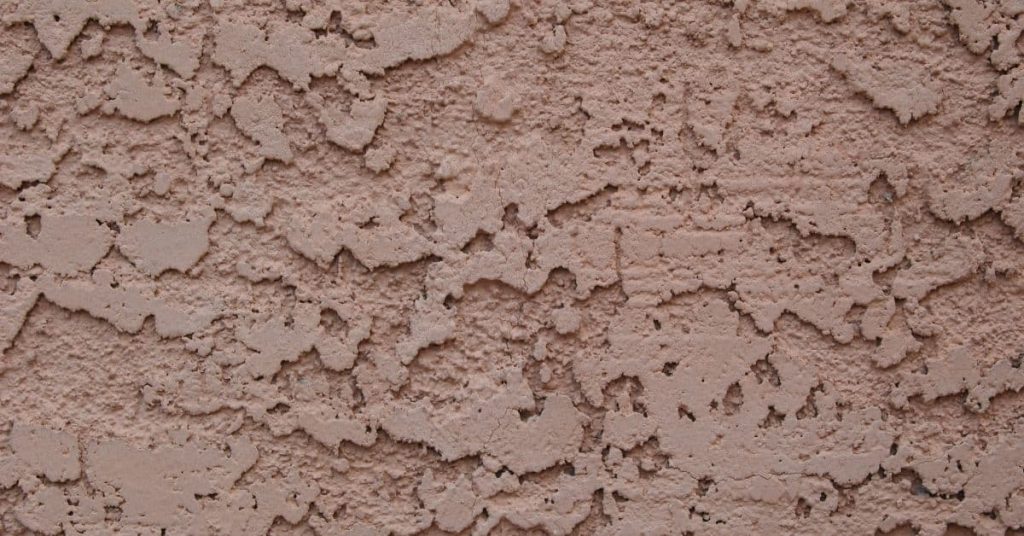
Close-up of textured brown stucco wall surface

Stucco brown coat straightening: screed methods that don’t telegraph waves later

Introduction Screed straightening of the stucco brown coat is the process of leveling and smoothing the outer layer to prevent visible waves. It relies on controlled, even passes with a straightedge to create a flat, true surface. The goal is to set the first and second coats with minimal movement after initial setting, while maintaining

Stucco brown coat straightening: screed methods that don’t telegraph waves later Read More »

Freshly poured self-leveling concrete floor with a spiked roller

Self-leveling overlays: dams, primers, and stopping pinholes and ripples

Introduction Self-leveling overlays are a flowable floor topping that settles itself to create a flat, smooth surface. This article covers dams, primers, and ways to stop pinholes and ripples in a DIY setup. Always follow the product label and local rules for mixing and curing. Quality control and temperature management matter to avoid early cracks

Self-leveling overlays: dams, primers, and stopping pinholes and ripples Read More »

Empty garage with concrete floor and closed metal door

Dusty garage slabs: when sweeping and densifiers help and when resurfacing is the only fix

Introduction Dusty garage slabs are concrete floors that shed fine dust from the surface as you walk on them. Causes include worn surface, moisture, and exposure to chemicals or abrasion from vehicles and tools. Keeping the area swept and free of grit helps you see how bad the dust problem is and what needs doing

Dusty garage slabs: when sweeping and densifiers help and when resurfacing is the only fix Read More »

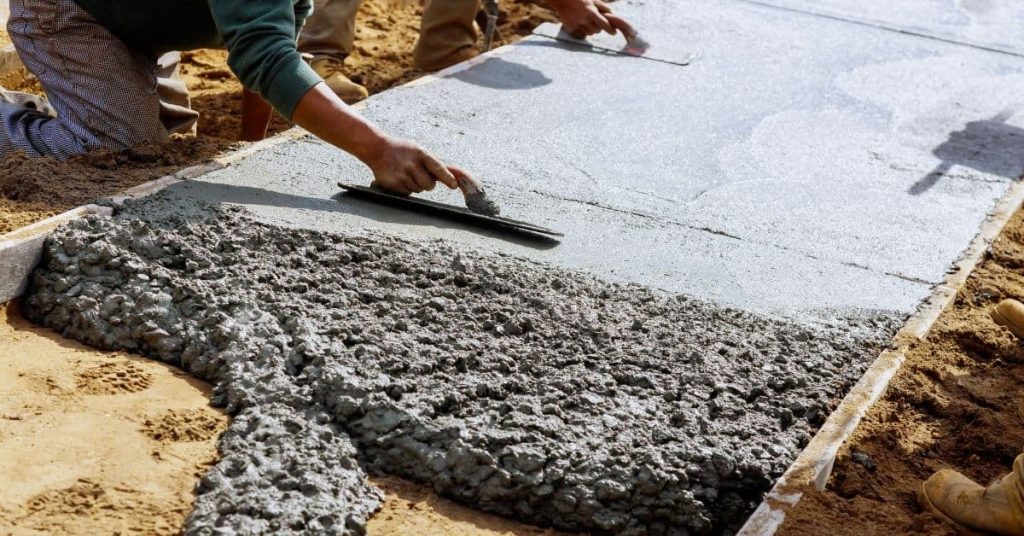
Workers finishing fresh concrete slab with hand trowels

Crazing and hairline map cracks: over-finishing clues and how to keep it subtle

Introduction Crazing and hairline map cracks are very fine, web-like cracks that run across the surface of concrete or plaster. They often look like a spiderweb or tiny branching lines and can appear after finishing when the surface dries unevenly. These marks aren’t structural failure, but they do affect the look and texture of a

Crazing and hairline map cracks: over-finishing clues and how to keep it subtle Read More »

bucket with plastering tools on wet surface outdoors

Tadelakt for DIY Bathrooms: Burnishing, Waxing, and Details That Prevent Failure

Introduction Tadelakt is a traditional lime plaster finish used in bathrooms that you burnish and wax to create a smooth, water-resistant surface. This article covers the key steps you can do yourself, like burnishing and applying wax, and the details that help prevent failure. Keep in mind that proper preparation and careful curing are essential

Tadelakt for DIY Bathrooms: Burnishing, Waxing, and Details That Prevent Failure Read More »

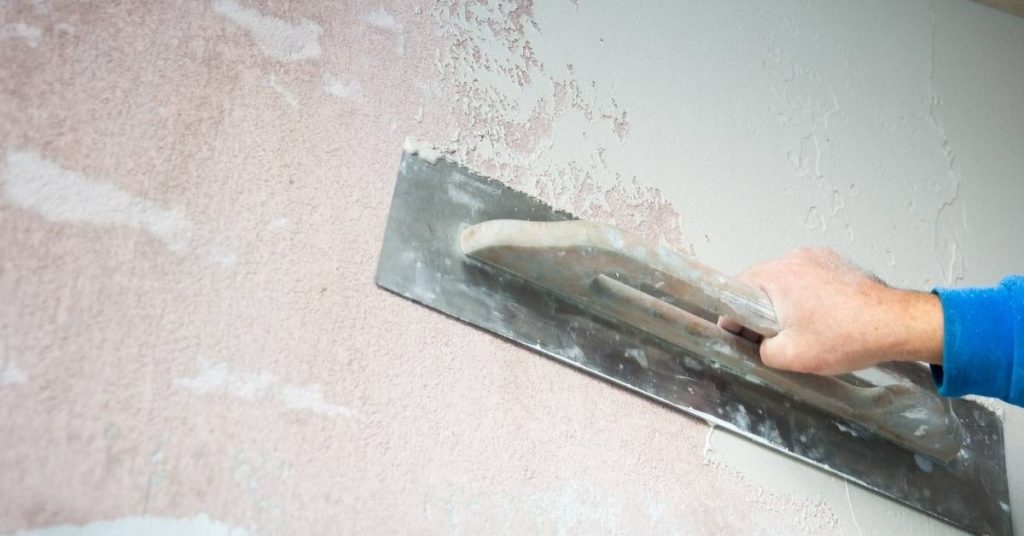
Hand smoothing lime plaster on wall with trowel

Lime Plaster in Basements: Moisture Testing, Vapor Drive, and Paint Choices

Introduction Lime plaster in basements is a breathable plaster finish that helps manage moisture. It relies on lime’s chemistry to let vapor pass while providing a durable coat. This DIY approach requires careful moisture testing and proper surface prep. Moisture testing, understanding vapor drive, and choosing compatible paints matter for long-term performance. Check product labels,

Lime Plaster in Basements: Moisture Testing, Vapor Drive, and Paint Choices Read More »

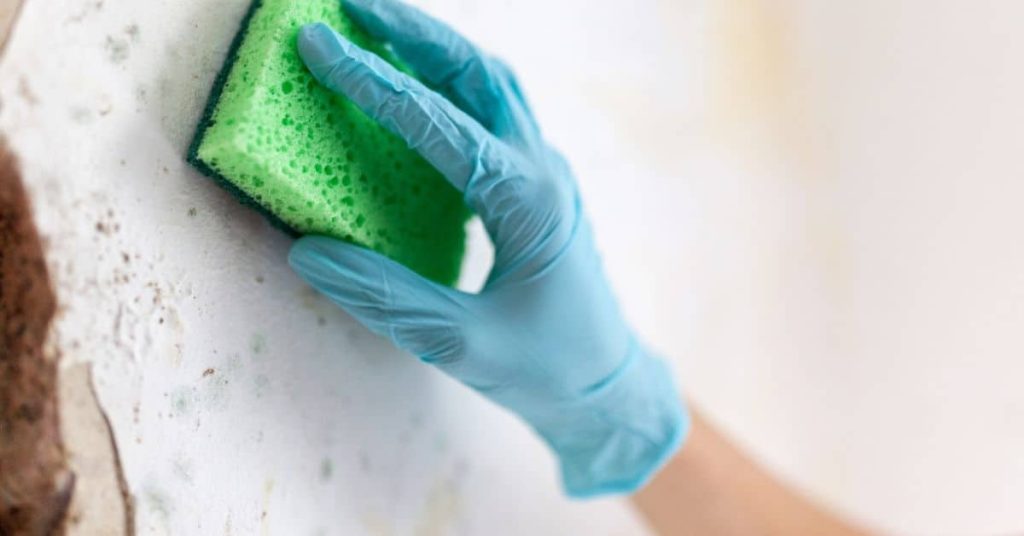
Hand in blue glove cleaning white wall with green sponge

Cleaning and Resealing Polished Plaster: Soap Scum, Dull Spots, and Refresh Coats

Introduction Cleaning and resealing polished plaster means removing soap scum and dull spots and applying a fresh protective coat. This is a hands-on DIY job that restores the surface without tearing it out. Expect a light scrubbing, careful rinse, and a new sealant layer following the manufacturer’s instructions. Before you start, check the product labels

Cleaning and Resealing Polished Plaster: Soap Scum, Dull Spots, and Refresh Coats Read More »

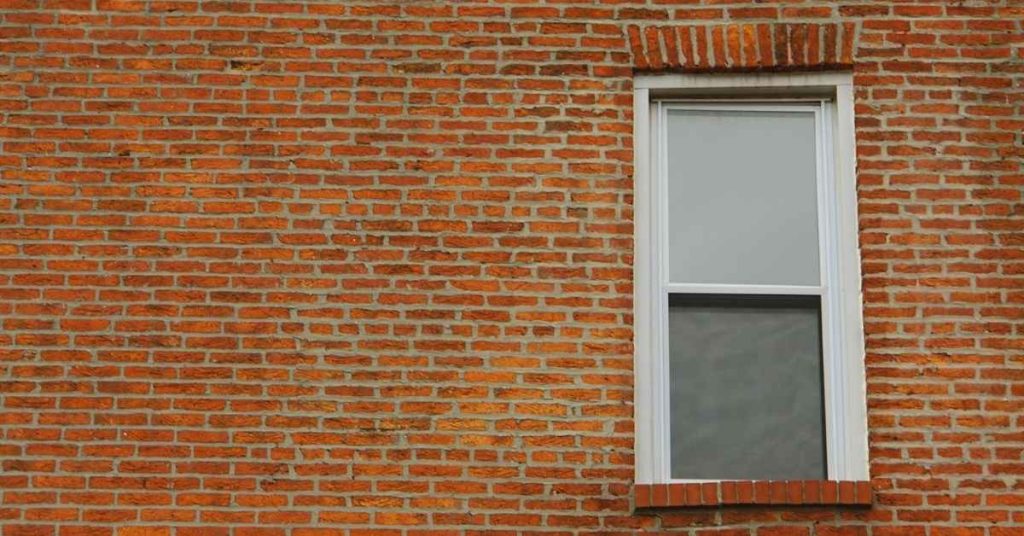
Brick wall with window and brick lintel above

Replacing a Rusted Brick Lintel: Supporting the Wall and Preventing Future Stains

Introduction Replacing a rusted brick lintel means removing the corroded support above an opening and installing a proper replacement to keep the wall carrying loads. Before you touch it, set up temporary shoring to hold the wall while you work, and inspect the surrounding brick and mortar for damage. Check local rules and the manufacturer’s

Replacing a Rusted Brick Lintel: Supporting the Wall and Preventing Future Stains Read More »

Construction worker laying mortar on brick wall outdoors

Stair-Step Cracks in Brick Walls: What They Mean and When It’s Serious

Introduction Stair-step cracks in brick walls are diagonal cracks that zigzag up the wall along the mortar joints. They often signal movement in the wall, not just settling. If you see them, inspect for movement, moisture, and any doors or windows that stick. What you do next depends on how serious the crack looks and

Stair-Step Cracks in Brick Walls: What They Mean and When It’s Serious Read More »