Search Results for: Non sag repair mortar

Metal hose bib mounted on textured stucco wall

How to Repair Stucco Holes Around Pipes, Lights, and Hose Bibs

Introduction Repairing stucco holes around pipes, lights, and hose bibs means patching and sealing the open gaps in the exterior surface so water can’t seep in. Identify what caused the hole and what material surrounds it, since different hole types call for different patching approaches. Choose a cement-based patch that fits the hole type and […]

How to Repair Stucco Holes Around Pipes, Lights, and Hose Bibs Read More »

Person applying plaster to wall near window corner

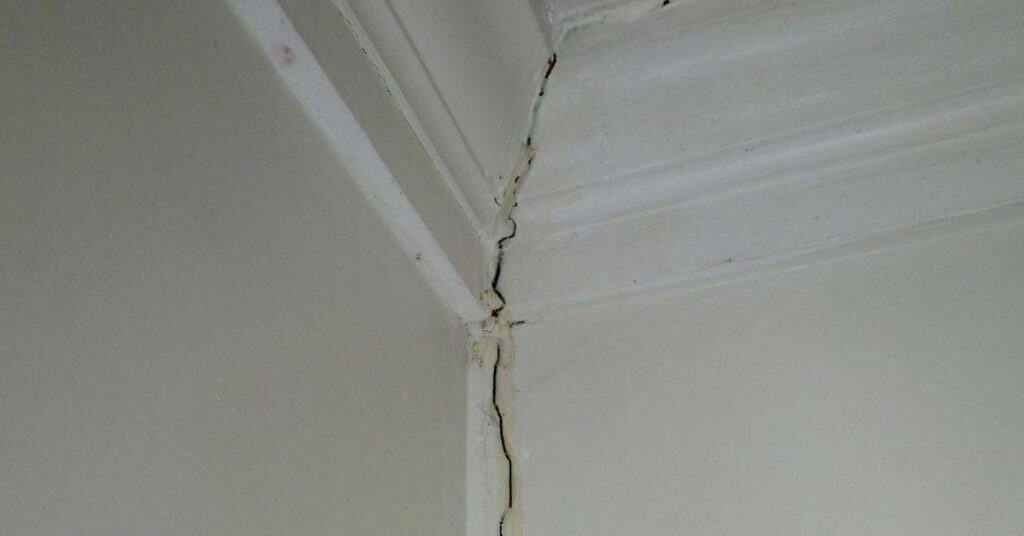
Repairing Cracks at Door and Window Corners: Reinforcement Methods That Stay Invisible

Introduction Invisible reinforcement methods for cracks at door and window corners involve strengthening the surrounding frame and substrate without visible patching. This article covers practical, stay-in-place techniques you can do yourself to keep a tight, long-lasting seal. You’ll identify crack types and choose a method that doesn’t alter the look of the opening. Identify crack

Repairing Cracks at Door and Window Corners: Reinforcement Methods That Stay Invisible Read More »

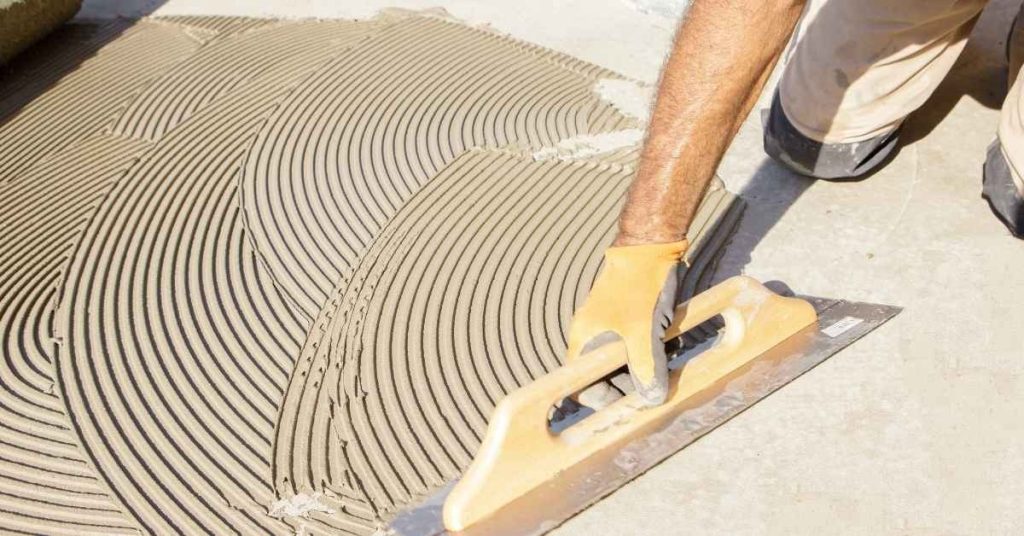
Worker spreading thinset mortar with a notched trowel

Tile on Shower Ceilings: Sag Prevention and Thinset Choice

Introduction Tile on shower ceilings requires proper sag prevention and careful thinset choice. In plain terms, you want the substrate to stay flat and the tile to bond well from day one. Check the thinset instructions for substrate compatibility and follow the manufacturer’s guidance or local rules to avoid surprises. Start by inspecting the ceiling

Tile on Shower Ceilings: Sag Prevention and Thinset Choice Read More »

Stucco Color Coat Repairs: Why They Fail and How to Avoid Weak “Skim” Patches

Stucco Color Coat Repairs: Why They Fail and How to Avoid Weak “Skim” Patches

Introduction A Stucco Color Coat Repair is fixing the top stucco layer to seal cracks and restore the surface. This kind of patch relies on proper surface prep, compatible material, and a smooth skim to blend with the surrounding wall. If the skim is weak, patches can crack, delaminate, or look obvious. You’ll need basic

Stucco Color Coat Repairs: Why They Fail and How to Avoid Weak “Skim” Patches Read More »

Repairing Plaster over Brick: Bonding Agents and Scratch Coat Technique

Repairing Plaster over Brick: Bonding Agents and Scratch Coat Technique

Introduction Repairing plaster over brick requires using a compatible bonding agent and a properly applied scratch coat to create a durable, crack-free finish. You’ll learn how to choose the right bonding agent, prepare the brick surface, and mix and apply the scratch coat with the right thickness and texture. The article also shares practical tips

Repairing Plaster over Brick: Bonding Agents and Scratch Coat Technique Read More »

Plaster Around Radiators and Pipes: Heat Movement Details That Crack Repairs

Plaster Around Radiators and Pipes: Heat Movement Details That Crack Repairs

Introduction Heat movement around radiators and pipes poses a significant risk to plasterwork. Cracks can form over time as these elements expand when hot water runs through them, pushing against the surrounding plaster. This guide walks you through practical steps and expert tips for detailing your plaster to accommodate heat expansion and prevent future damage.

Plaster Around Radiators and Pipes: Heat Movement Details That Crack Repairs Read More »

Repairing Impact Holes in Stucco: Backing

Repairing Impact Holes in Stucco: Backing

Introduction Proper backing is essential when repairing impact holes in stucco to restore strength and prevent cracking. The guide walks you through selecting backing materials, preparing the hole, applying patch, and finishing to blend with the surrounding wall. Key takeaways Inspect impact holes for stability before starting. Safety first: wear gloves, goggles, and a dust

Repairing Impact Holes in Stucco: Backing Read More »

Matching Sand Gradation for Repairs: Why the Same Mix Still Looks Different

Matching Sand Gradation for Repairs: Why the Same Mix Still Looks Different

Introduction Even with the same sand mix, a repair can look different from the surrounding material. You’ll learn how particle size (gradations), moisture, curing, and placement affect appearance and how to adjust your mix, batch timing, and finishing approach to get a closer match. Key takeaways Gradation affects color, texture, and workability of lime mortars

Matching Sand Gradation for Repairs: Why the Same Mix Still Looks Different Read More »

Repairing Deep Plaster Holes: Backing Methods That Won’t Telegraph Through Paint

Repairing Deep Plaster Holes: Backing Methods That Won’t Telegraph Through Paint

Introduction Use proper backing and feathering to repair deep plaster holes so they won’t telegraph through paint. You’ll learn which backing methods work best for different hole sizes, and how to apply patches in a way that stays smooth and durable. The guide walks through assessing the hole, choosing the right approach, and building up

Repairing Deep Plaster Holes: Backing Methods That Won’t Telegraph Through Paint Read More »