Search Results for: HOW TO CLEAN CARPET

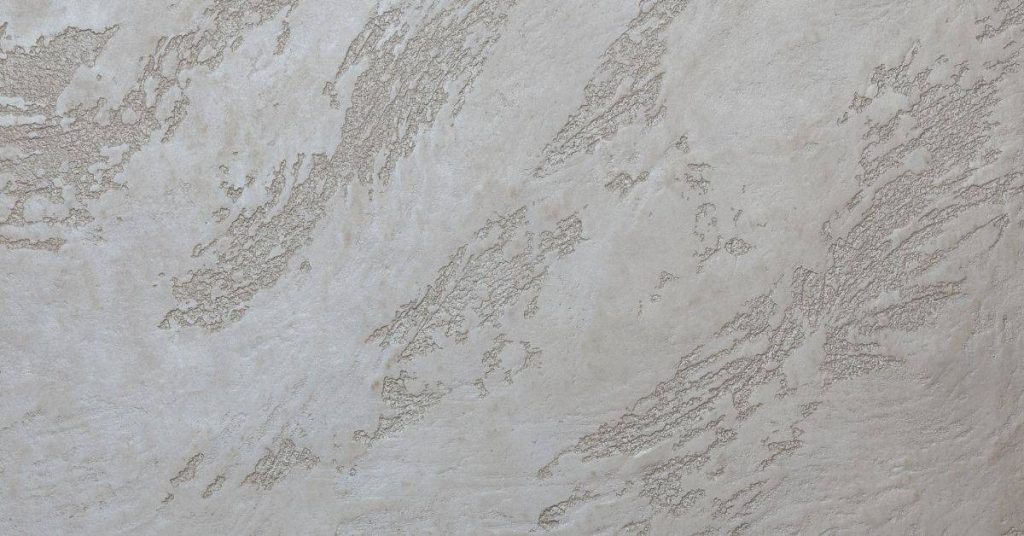
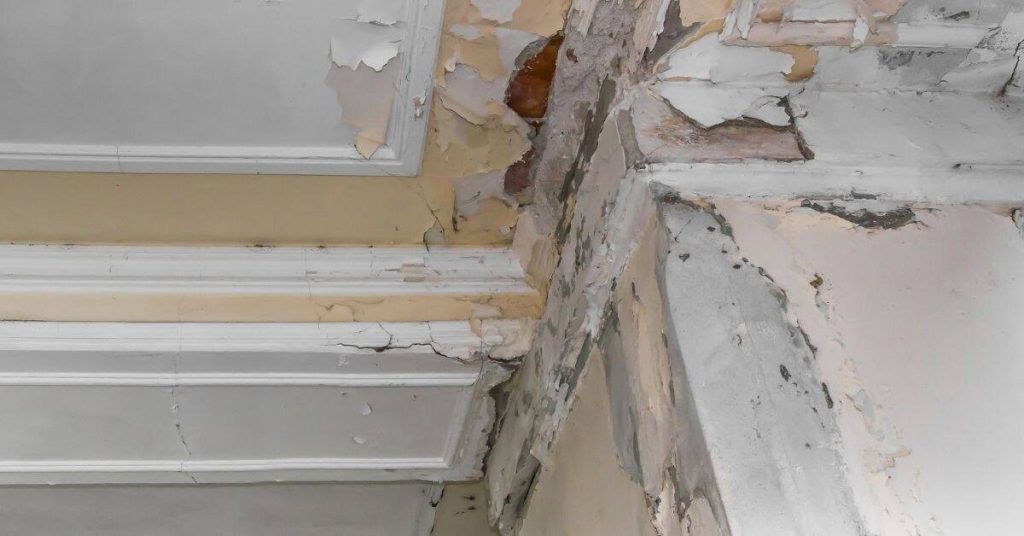
Close-up of cracked and peeling plaster ceiling with crown molding

Water-Damaged Plaster: What to remove, what to dry, and what to rebuild

Introduction Water-damaged plaster needs to be removed, dried, and rebuilt in a practical, step-by-step way. You’ll determine what to remove, what to dry, and what to replace based on how far the damage has spread. This article keeps the tone hands-on and avoids fluffy theory. Start by inspecting the area to judge how much material […]

Water-Damaged Plaster: What to remove, what to dry, and what to rebuild Read More »
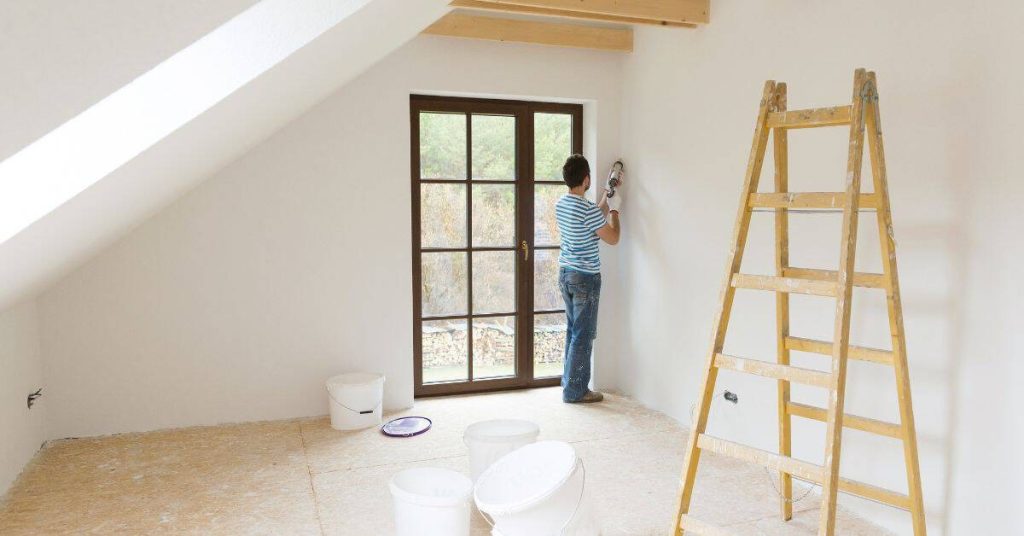
Person sanding white interior wall near window with ladder nearby

Removing Wax and Polish Residue: Prep steps before repainting

Introduction Removing wax and polish residue is the process of cleaning films left on surfaces so paint will stick. This prep step targets slick layers that interfere with adhesion before you sand, prime, or repaint. If you’re unsure, check the cleaner’s label or the manufacturer’s guidance for safe use and disposal. Begin with a gentle

Removing Wax and Polish Residue: Prep steps before repainting Read More »

Yellow crane lifting precast concrete panels outdoors

How to Remove a Failed Acrylic Sealer From Concrete Without Etching

Introduction Removing a failed acrylic sealer from concrete without etching means lifting the film without harming the concrete surface. Do this safely with good ventilation, eye protection, and gloves, and follow the product instructions. Your choice of remover depends on the sealer type and the concrete porosity, so always check the label and local rules

How to Remove a Failed Acrylic Sealer From Concrete Without Etching Read More »

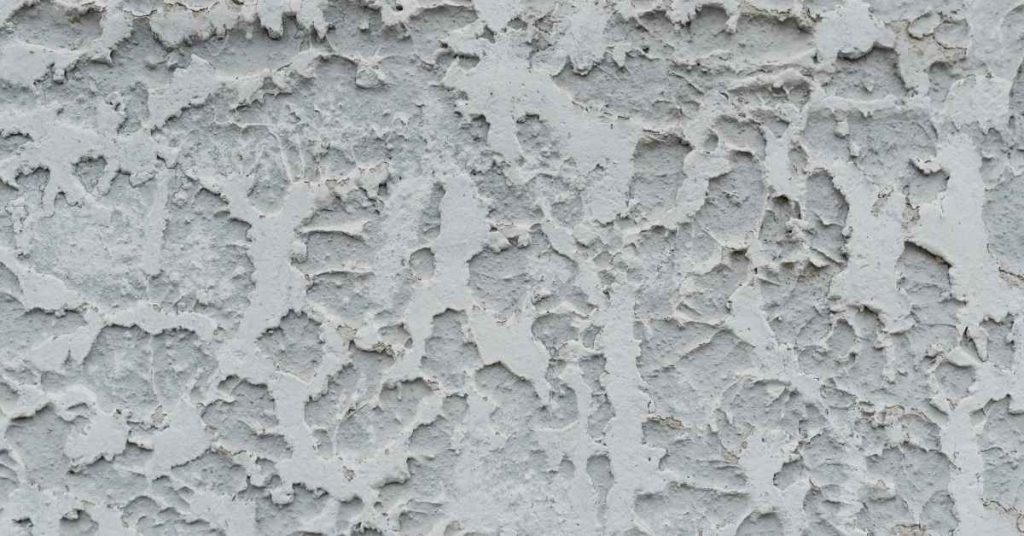
Close-up of rough textured gray stucco wall surface

How to Identify EIFS vs Hard-Coat Stucco: Simple On-Wall Tests

Introduction EIFS is an exterior insulation system with a foam board base and a thin textured finish, while hard-coat stucco is a cement-based, multi-layered plaster bonded to masonry or a lath substrate. In plain jobsite terms: EIFS feels lighter and can have a separation behind the finish, whereas hard-coat stucco is rigid and is trowel-applied

How to Identify EIFS vs Hard-Coat Stucco: Simple On-Wall Tests Read More »

Close-up of paint roller applying white paint on wall corner

How to Paint Over Silicone Contamination: Solvents, Abrasion, and Specialty Primers

Introduction Painting over silicone contamination means removing or isolating slick silicone residue so paint will stick; that can be done with solvents, mechanical abrasion, or specialty primers depending on how much silicone is present. Start by testing a small area to see if solvent or sanding removes the contamination, and always check product labels and

How to Paint Over Silicone Contamination: Solvents, Abrasion, and Specialty Primers Read More »

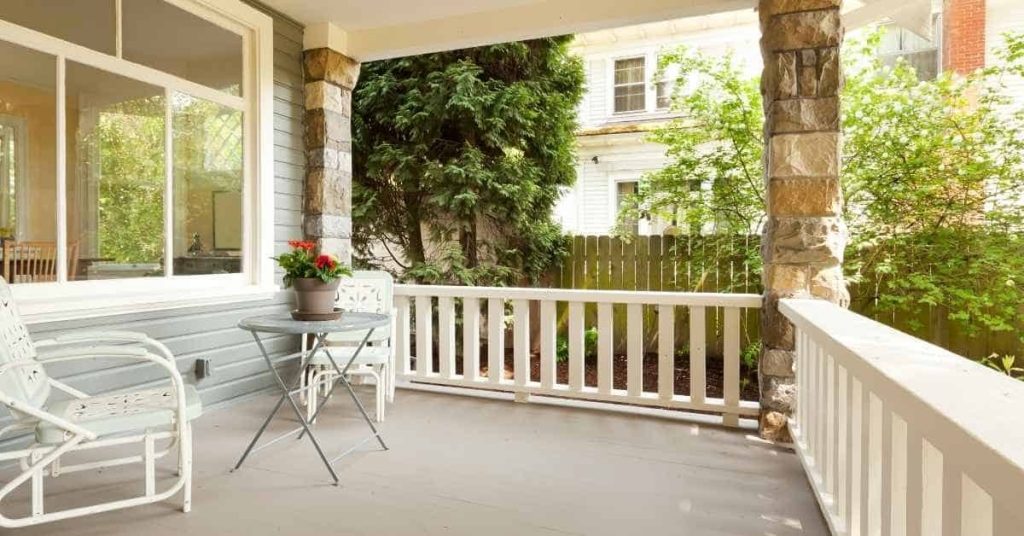
Bright outdoor porch with painted concrete floor and white furniture

Water-Based Concrete Stains: When They Beat Acid Stains and How to Avoid Lap Marks

Introduction Water-based concrete stains are pigmented finishes that soak into cured concrete and are a better choice than acid stains when you need consistent color, easier cleanup, and safer handling. They work well on slabs where acid reaction is unpredictable or on indoor projects where odor and VOCs matter; check the product label and tech

Water-Based Concrete Stains: When They Beat Acid Stains and How to Avoid Lap Marks Read More »

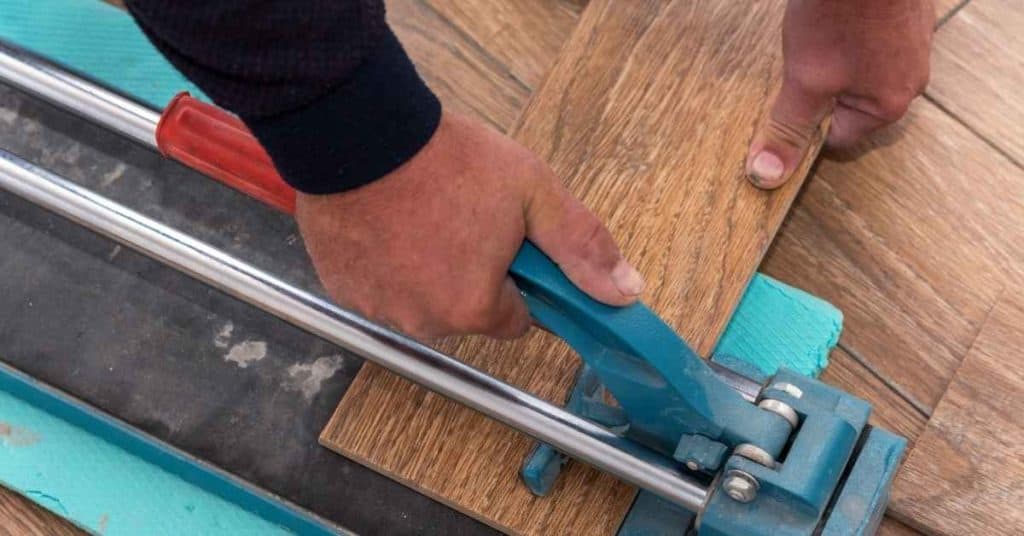
Hands cutting wood-look tile with manual tile cutter

Transition Strips That Don’t Look Cheap: Flush Transitions, Scribes, and Custom Saddles

Introduction Flush transitions are finish pieces that create a seamless edge between floor surfaces without a visible drop or lip. In this article, we’ll cover how to get flush transitions, have clean scribes, and build custom saddles that look like part of the install. Focus on matching height, marking where trim meets the floor, and

Transition Strips That Don’t Look Cheap: Flush Transitions, Scribes, and Custom Saddles Read More »

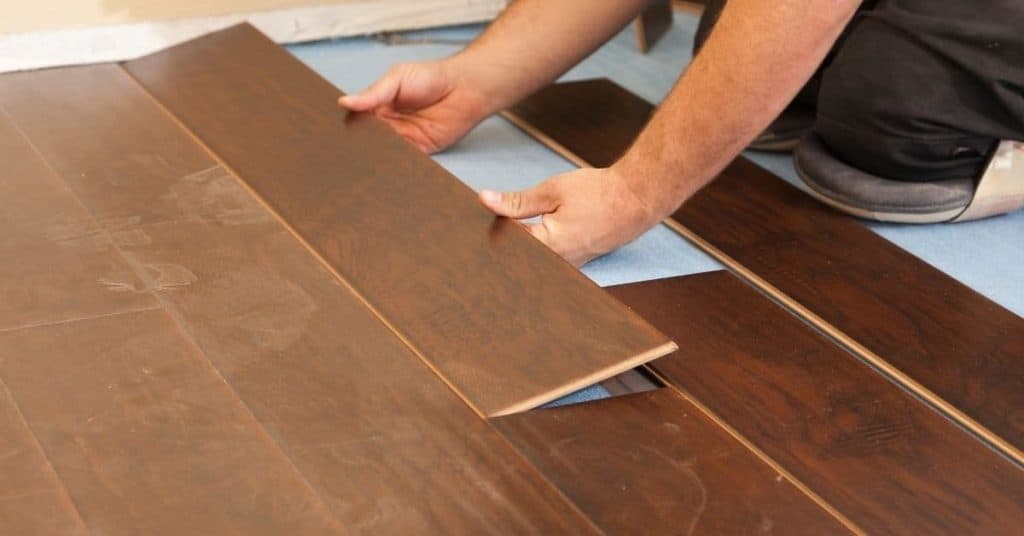
Person installing dark laminate flooring indoors

Acclimating Flooring the Right Way: Temperature, Humidity, and the ‘False Acclimation’ Trap

Introduction Acclimating flooring means letting the material adjust to the room conditions before installation. This isn’t a one-size-fits-all rule; temperature and humidity matter, but accuracy comes from checking the product labels and your actual home conditions. Rushed or misreading the room can lead to gaps, warping, or squeaks after install. To avoid the “False Acclimation”

Acclimating Flooring the Right Way: Temperature, Humidity, and the ‘False Acclimation’ Trap Read More »