Search Results for: HEPA vac

Person painting wood siding with white primer brush

Primer Compatibility Chart: Water-Based vs. Oil-Based vs. Shellac (What Can Go Over What)

Introduction Primer compatibility means choosing the right primer for the surface and topcoat so the finish adheres and lasts. Different primers are designed to bond to different surfaces and to seal, block stains, or prevent bleed-through. Always check the label for what the primer can be applied over and what the topcoat can be used […]
Primer Compatibility Chart: Water-Based vs. Oil-Based vs. Shellac (What Can Go Over What) Read More »

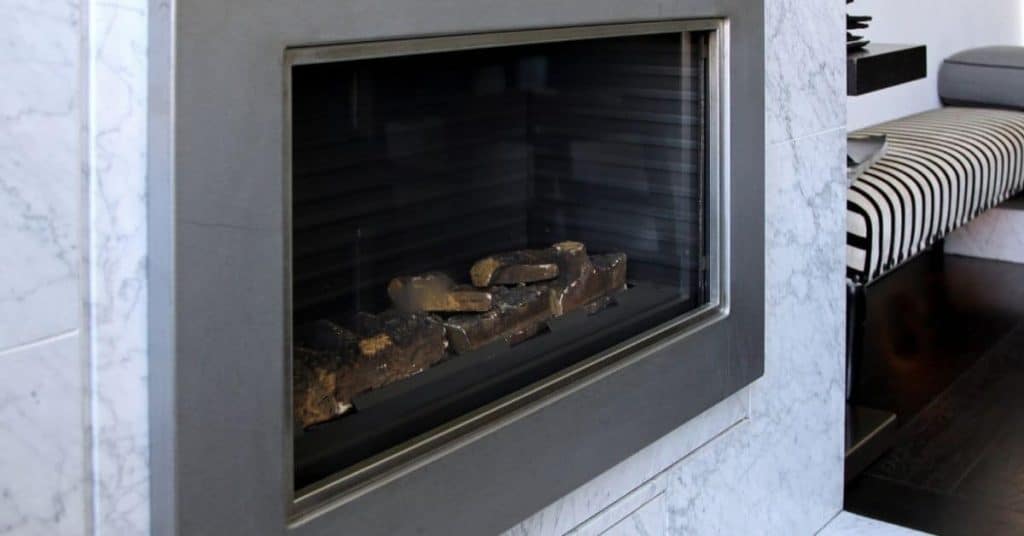
Modern gas fireplace with marble surround and striped bench nearby

How to Paint After Small Fire/Smoke Damage: Soot Removal, Odor Sealing, and Recoat Timing

Introduction This guide explains how to repaint after small fire and smoke damage. First, assess visible soot and smoke residue and clean the affected surfaces well. Use the right cleaners, wipe without rubbing, and remove loose debris before sealing. Odor sealing is used to lock in smells before a new coat. Check the product label

How to Paint After Small Fire/Smoke Damage: Soot Removal, Odor Sealing, and Recoat Timing Read More »

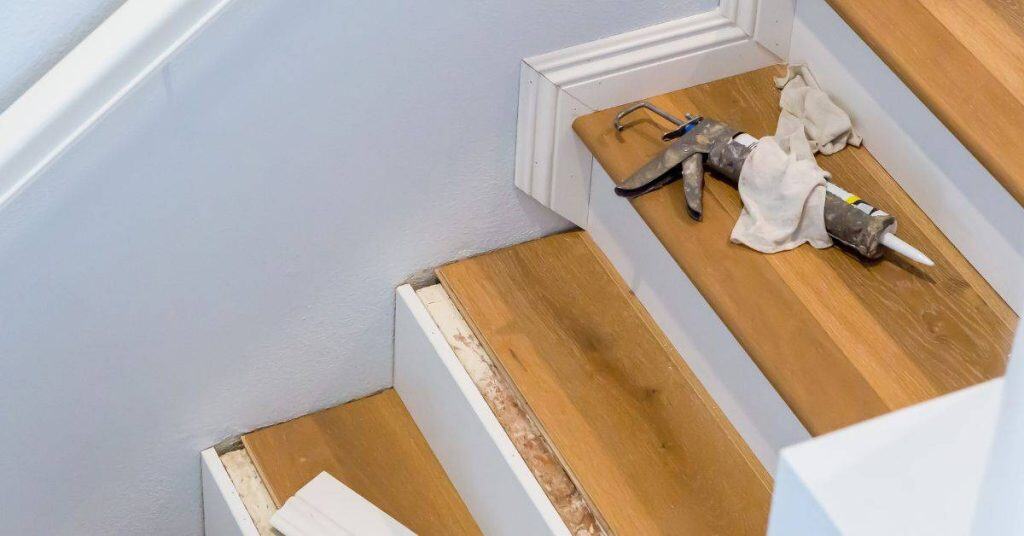
wood stairs with white trim and caulking gun on step

How to Paint Over Old Oil-Based Trim With Water-Based Paint (No Mystery Peeling)

Introduction Painting over oil-based trim with water-based paint is possible with the right prep. It means you’ll remove grime, scuff the surface, and use a compatible primer before applying the water-based finish. This article walks you through a practical, step-by-step approach you can do with basic tools. First, clean the trim and roughen the surface

How to Paint Over Old Oil-Based Trim With Water-Based Paint (No Mystery Peeling) Read More »

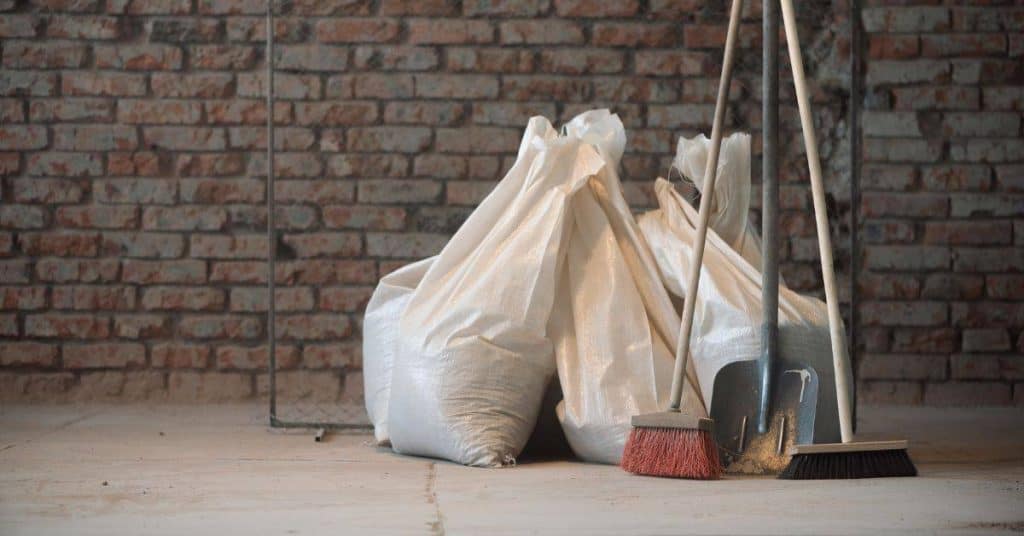
white debris bags with broom and shovel against brick wall

Plaster Dust Control for Small Jobs: Containment That Keeps Cleanup Sane

Introduction Plaster dust containment means keeping dust from plastering work from escaping the work area. It helps protect your home and makes cleanup easier. Start by setting a clear boundary and using basic barriers and cleanup habits. For a simple setup, close off the work zone, lay down plastic sheeting, and seal doorways. Use a

Plaster Dust Control for Small Jobs: Containment That Keeps Cleanup Sane Read More »

Close-up of concrete floor grinding machine on rough concrete surface

Fixing Form Lines on Exposed Concrete: Grinding, Skim Coats, and Texture Matching

Introduction Fixing form lines on exposed concrete means smoothing or concealing the raised lines left by the forms so the surface looks even. In this DIY approach, you’ll grind the lines down, skim-coat areas as needed, and texture-match the rest of the surface. Plan to work methodically, wear a dust mask, and always check the

Fixing Form Lines on Exposed Concrete: Grinding, Skim Coats, and Texture Matching Read More »

Hands installing dark brown laminate flooring panels

Laminate Flooring Tools: What You Really Need for Clean Cuts and Tight Joints

Introduction The essential tools for laminate flooring are the handful you actually need to make clean cuts and tight joints. Focus on practical, reliable options that fit your space and budget. Check the product label and manufacturer guidance for any tool-specific safety notes. Common options include a utility knife, a tapping block, and a saw

Laminate Flooring Tools: What You Really Need for Clean Cuts and Tight Joints Read More »

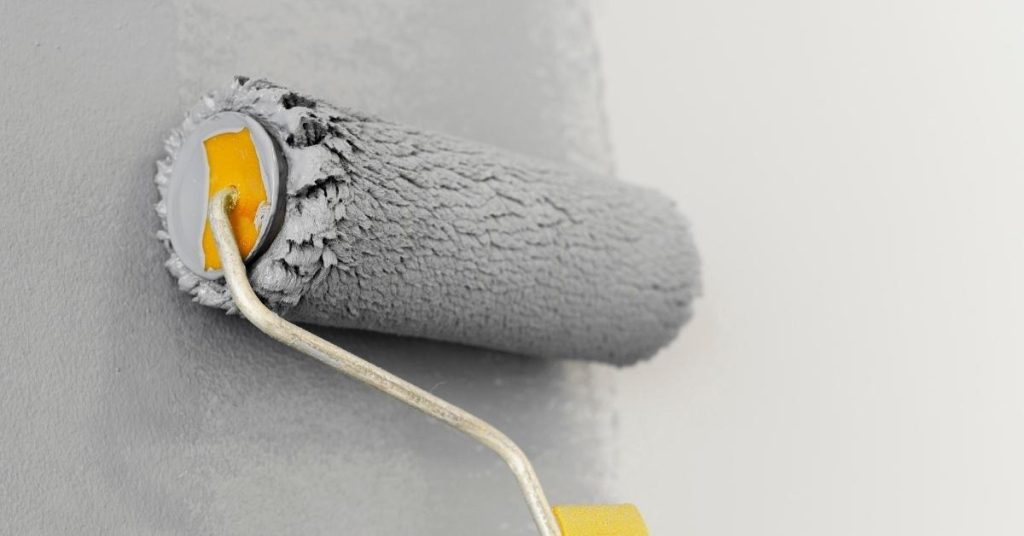
Paint roller applying gray paint on white wall

Roller Stipple Problems: How to Get Smoother Walls Without Spraying

Introduction Roller stippling is a technique that creates a textured, stippled wall by rolling on paint with a stippling roller. This intro helps you spot common issues and set up for a smoother finish without spraying. Keep in mind technique and paint consistency matter, not big machinery. Choose a roller with a suitable nap and

Roller Stipple Problems: How to Get Smoother Walls Without Spraying Read More »

Person painting a wooden frame with a yellow brush

Painting Over New Joint Compound: Sealing Porosity to Prevent Flashing

Introduction Sealing porosity in joint compound means treating the surface so paint sits evenly and doesn’t soak in. This helps prevent flashing and uneven color when you apply primer and paint. Prepare the surface well and choose a compatible primer based on what the joint compound needs, according to the product label. Start with thorough

Painting Over New Joint Compound: Sealing Porosity to Prevent Flashing Read More »