Search Results for: 20 amp timer switch

Smooth light gray concrete wall surface

Windy Day Concrete Finishing: How to stop surface checking and plastic cracks

Introduction Windy day concrete finishing is how you control surface checking and plastic cracking when wind makes the mix dry out too fast. In a DIY setup, you’ll work to keep the surface from drying too quickly while you’re finishing. Be prepared to adjust speed, moisture, and protection as you go, and always follow the […]

Windy Day Concrete Finishing: How to stop surface checking and plastic cracks Read More »

Worker using power trowel on fresh concrete slab

Concrete Finishing in Wind: Evaporation Control and Burn Risks

Introduction Concrete finishing in wind means shaping and smoothing concrete while wind speeds pull moisture away, increasing surface evaporation. Wind can cause rapid surface drying and burn risks if you rush finishing actions. Work with small batches, plan timing, and watch the surface for signs of drying. Use evaporation control methods such as misting, shade,

Concrete Finishing in Wind: Evaporation Control and Burn Risks Read More »

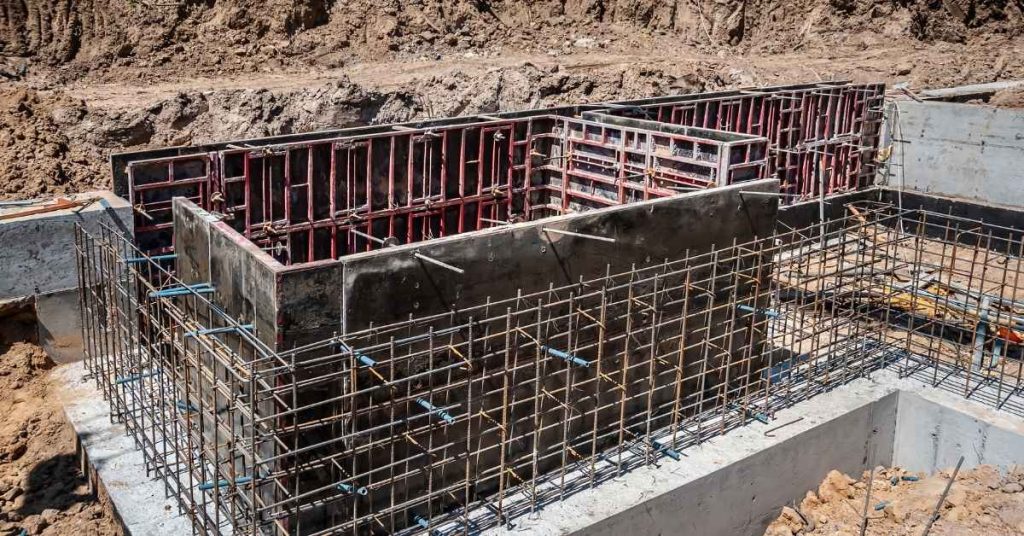
Concrete foundation with steel rebar and formwork on construction site

How to Use Hydration Stabilizers: Small Pours, Hot Weather, and Long Hauls

Introduction Hydration stabilizers are additives that help concrete stay workable and set more predictably during small pours, hot weather, or long hauls. They help manage hydration so you can pour when conditions would normally cause workability loss or early stiffening. You’ll use them by following simple mixing steps and applying the stabilizer according to the

How to Use Hydration Stabilizers: Small Pours, Hot Weather, and Long Hauls Read More »

Hand holding plastering trowel against white wall background

Venetian Plaster Burnishing: Tool Choice, Timing, and How to Avoid Black Marks

Introduction Venetian plaster burnishing is the final rubbing of a polished plaster surface to compact and shine it using the right tools at the right moment. Pick flexible trowels or burnishers suited to your plaster type and check the product label for recommended tools, and make sure the base coat is dry and sound before

Venetian Plaster Burnishing: Tool Choice, Timing, and How to Avoid Black Marks Read More »

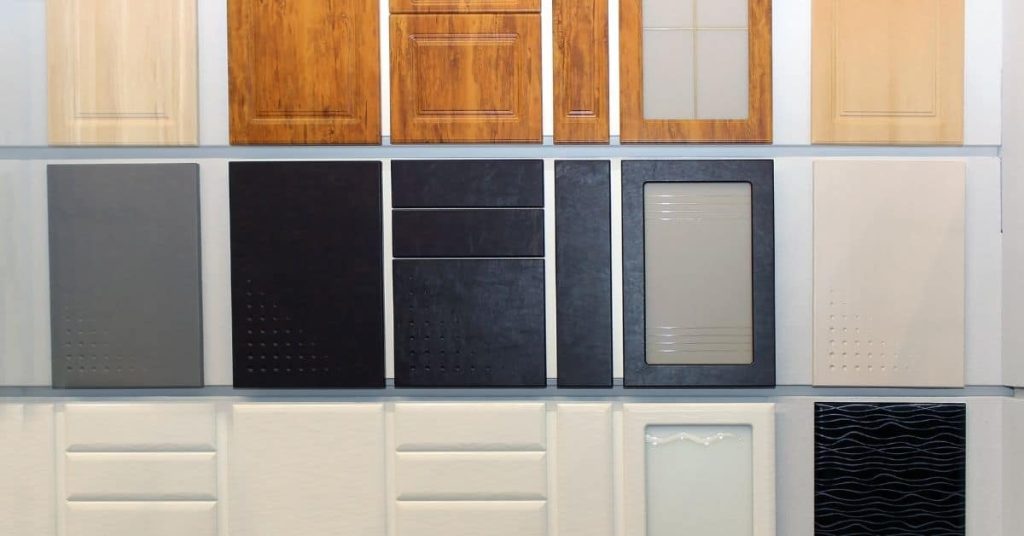
Various painted cabinet door samples in multiple colors and finishes

Furniture-Grade Painted Finishes: Grain Filling, Sanding, and Topcoat Choices

Introduction Furniture-grade painted finishes means getting a smooth, filled grain surface that takes paint like shop work so your piece looks professional; it’s done by filling open grain, sanding flat, and choosing the right topcoat. This is a hands-on sequence: pick a grain filler compatible with your paint, sand progressively to remove filler and level

Furniture-Grade Painted Finishes: Grain Filling, Sanding, and Topcoat Choices Read More »

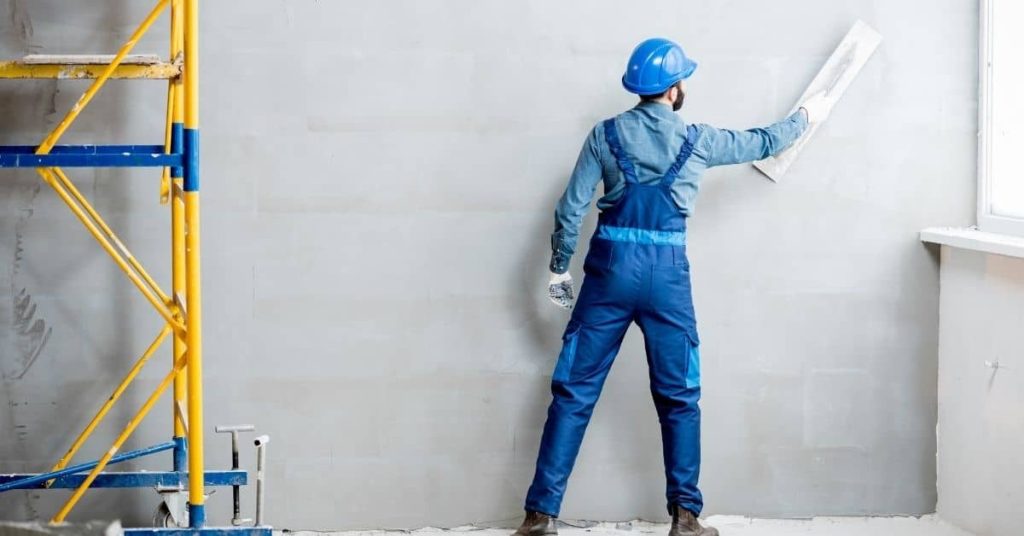
Worker smoothing wet plaster on a gray interior wall

How to Create a Zero-Lap-Mark Wall: Section Planning and Keeping a True Wet Edge

Introduction A zero-lap-mark wall is a layout and pour technique that keeps your fresh plaster or skimcoat from drying in visible steps where new material meets old. It means planning your sections and timing so each pass blends into the next while the edge is still workable. This is a hands-on job that needs steady

How to Create a Zero-Lap-Mark Wall: Section Planning and Keeping a True Wet Edge Read More »

Person patching ceiling plaster near window with putty knife

Plaster Repairs Around Ceiling Light Boxes: A Step-by-Step Timeline to Stop Ring Cracks

Introduction Tackling plaster repairs around ceiling light boxes can seem daunting, but breaking down the process into a clear timeline makes it manageable. This step-by-step guide walks you through each stage, from preparation to finishing, ensuring you complete the job efficiently and effectively. The key to successful repair lies in understanding how long each task

Plaster Repairs Around Ceiling Light Boxes: A Step-by-Step Timeline to Stop Ring Cracks Read More »