Search Results for: 14 diamond blade for concrete

How to Lay Floor Tiles on Concrete: A Step-by-Step Guide

How to Lay Floor Tiles on Concrete: A Step-by-Step Guide

Introduction Materials and Tools You Need for Laying Floor Tiles Tile Installation Check List Essential Materials and Tools Step-by-Step Concrete Subfloor Tile Installation Long-Term Care and Maintenance for Your Tiled Floor When to Consider Hiring a Professional for Tiling Projects In Conclusion FAQ Introduction Starting a DIY floor tiling project is a great way to […]

How to Lay Floor Tiles on Concrete: A Step-by-Step Guide Read More »

When is it Too Late to Cut Your Concrete Driveway? A Guide for Homeowners

When is it Too Late to Cut Your Concrete Driveway? A Guide for Homeowners

Table of Contents Introduction Understanding the Importance of Timing Signs That It May Be Too Late to Cut Your Concrete Driveway The Advantages of Cutting Concrete Driveways Various Techniques for Cutting Concrete Driveways Step-by-step guide on how to cut a concrete driveway Factors to Consider Before Cutting Your Concrete Driveway Cost Considerations for Cutting a

When is it Too Late to Cut Your Concrete Driveway? A Guide for Homeowners Read More »

Corded orange and black angle grinder on concrete floor

Wet saw vs grinder for brick and block: cut quality, dust, and speed tradeoffs

Introduction Wet saws cut brick and block with water cooling and a fixed blade, offering dust control and different cut quality than grinders. A grinder can cut faster on rough brick or block but tends to produce more dust and less precise edges unless a careful technique and guard are used. Check the blade type,

Wet saw vs grinder for brick and block: cut quality, dust, and speed tradeoffs Read More »

close up of textured wet plaster surface

Repairing spalled block faces: patch materials and surface prep that lasts

Introduction Repairing spalled block faces involves restoring a damaged masonry surface by cleaning, patching, and smoothing to prevent further deterioration. First assessing whether you should repair or replace is essential; if the damage exposes hollow cores or undermines structural integrity, replacement may be wiser. Prepare the surface by cleaning loose material and chipping away rough

Repairing spalled block faces: patch materials and surface prep that lasts Read More »

Blue metal coping joint on white concrete wall outdoors

Control Joint Layout for L-Shaped Patios: Re-Entrant Corners and Crack Steering

Introduction Control joints in an L-shaped patio are deliberate gaps that guide where cracks will form in the concrete. This layout helps manage the re-entrant corners and crack patterns so the surface lasts longer. For DIY work, plan joints along straight lines and around corners, but always check local guidelines and product instructions for appropriate

Control Joint Layout for L-Shaped Patios: Re-Entrant Corners and Crack Steering Read More »

black wooden double entry doors with small window panes

Saw-Cut Timing With Early-Entry Saws: When They Beat a Standard Saw

Introduction Early-entry saws let you start a cut sooner than a standard saw. This approach aims to save time and reduce waiting around for equipment or setup. Keep in mind you must check safety and jobsite rules before changing timing. Plan your sequence, set up blades, and keep steady progression to avoid overheating or mistakes.

Saw-Cut Timing With Early-Entry Saws: When They Beat a Standard Saw Read More »

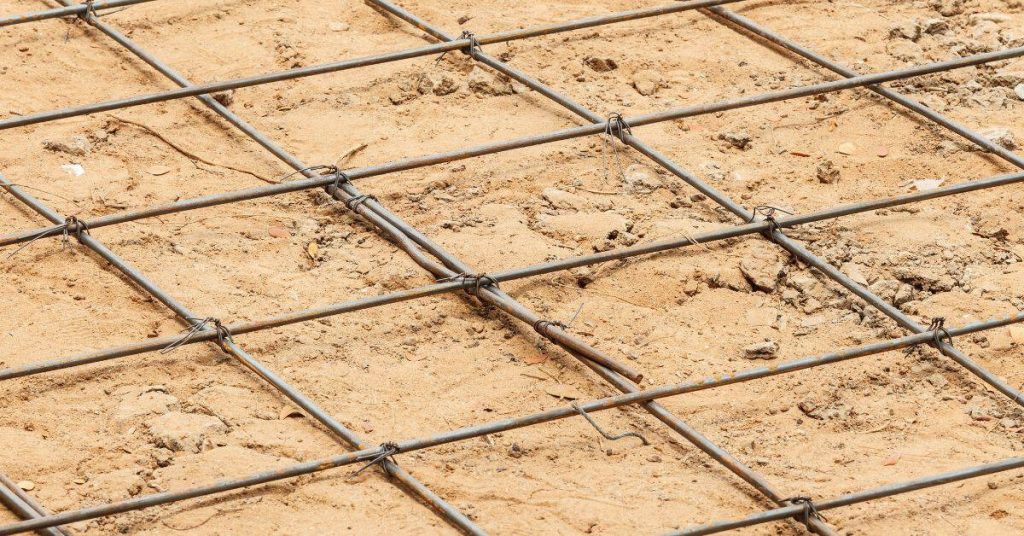
Steel rebar grid tied with wire on sandy ground

Reinforcement Beyond Steel Rebar: Basalt, FRP, Couplers, and Headed Bars

Introduction Reinforcement beyond steel rebar means using non-metallic or alternative materials to strengthen concrete, such as basalt fibers, FRP, couplers, and headed bars. They can resist corrosion and may install differently than traditional rebar. Always check manufacturer instructions and local rules to confirm suitability for your project. FRP rebar offers a value proposition in durability

Reinforcement Beyond Steel Rebar: Basalt, FRP, Couplers, and Headed Bars Read More »

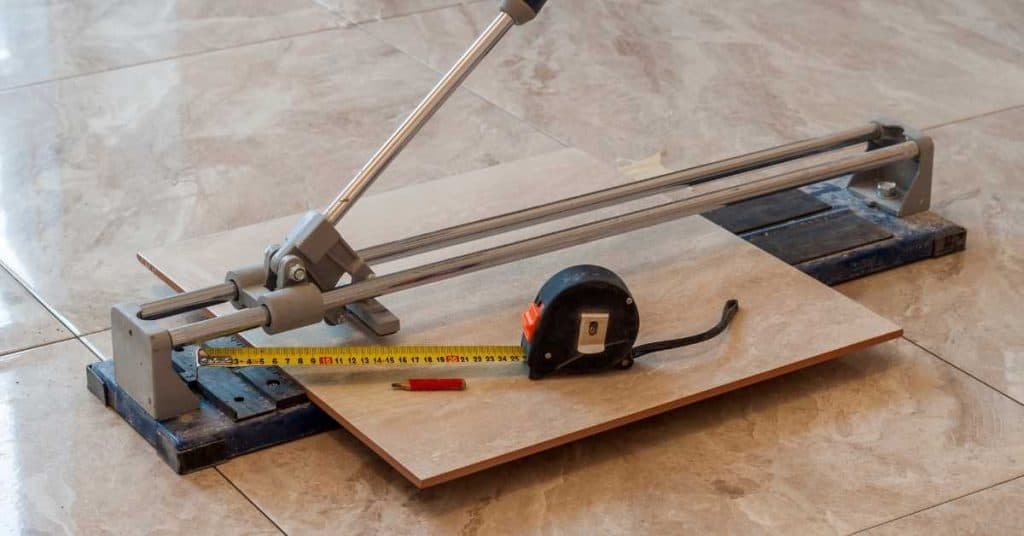
Tile cutter with tape measure and pencil on tiled floor

Tile Layout “Money Line” Mistakes: How to Avoid Skinny Cuts at Doorways, Niches, and Focal Walls

Introduction “Money line” in tile layout means the primary straight reference you use to place tiles so you avoid tiny, ugly slivers at doorways, niches, and focal walls. It’s the on-site line you snap, test-fit, and adjust before you mortar so your visible edges end up full and balanced. Think like a foreman: set the

Tile Layout “Money Line” Mistakes: How to Avoid Skinny Cuts at Doorways, Niches, and Focal Walls Read More »

Pressure washing exposed aggregate concrete surface

Creating an Exposed Aggregate ‘Window’ in a Small Repair (Matching Existing Finish)

Introduction An exposed aggregate window is a small patch that reveals decorative stones after removing a portion of concrete to match the surrounding finish. Plan to cut a window in the existing slab, clean and dampen the area, and set up a simple form to keep edges neat. Check local rules and the patch will

Creating an Exposed Aggregate ‘Window’ in a Small Repair (Matching Existing Finish) Read More »