Search Results for: 120 mortar

Concrete countertop with integrated sink and black faucet

Concrete Countertop Forms: Melamine vs Plastic vs Silicone Edges (Best Options)

Introduction Edge forms for a concrete countertop include melamine, plastic, and silicone options that shape and support the pour as it cures. Each type offers a different surface finish and release feel, so you’ll want to align your choice with the project needs. Always check the product label and manufacturer instructions, and confirm any local

Concrete Countertop Forms: Melamine vs Plastic vs Silicone Edges (Best Options) Read More »

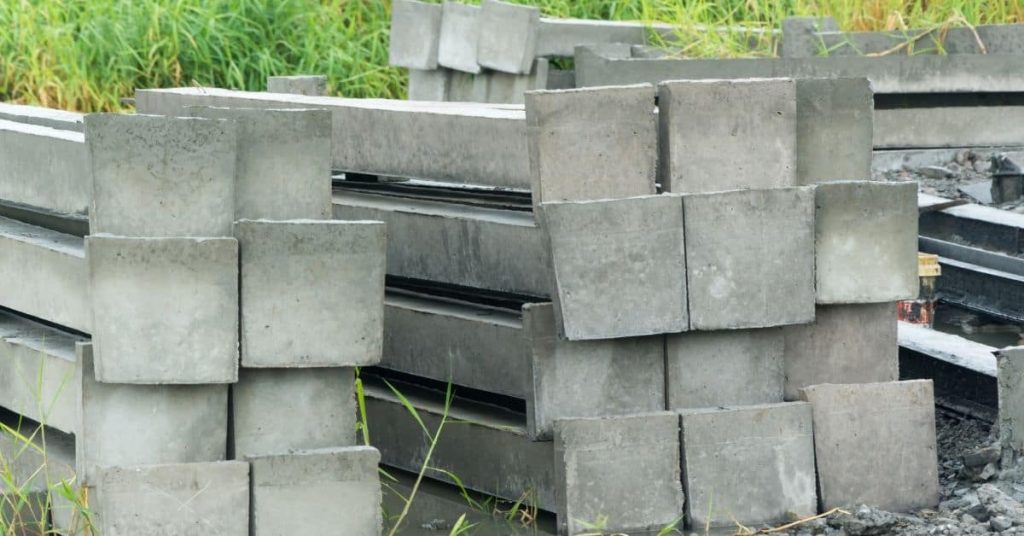
stacked precast concrete columns outdoors on grassy ground

Can You Use Calcium Chloride in Concrete? When It’s Allowed and When It’s a Bad Idea

Introduction Calcium chloride can speed up concrete setting, but it is not allowed for every mix or every job. For DIY pours, check product labels and local rules to know if it’s permitted. If you’re unsure, ask the supplier or code authority before using it on your project. In some cases it’s allowed, but in

Can You Use Calcium Chloride in Concrete? When It’s Allowed and When It’s a Bad Idea Read More »

Gray concrete slabs with visible cracks

Microtopping Over Old Concrete: Prevent Ghost Cracks, Delamination, and Edge Failures

Introduction Microtopping over old concrete is a thin, decorative concrete top layer that can refresh a worn floor. This article explains how to prepare, mix, and apply it to minimize ghost cracks, delamination, and edge failures. You’ll get a practical, hands-on approach that stays away from textbook theory. Before you start, inspect the surface for

Microtopping Over Old Concrete: Prevent Ghost Cracks, Delamination, and Edge Failures Read More »

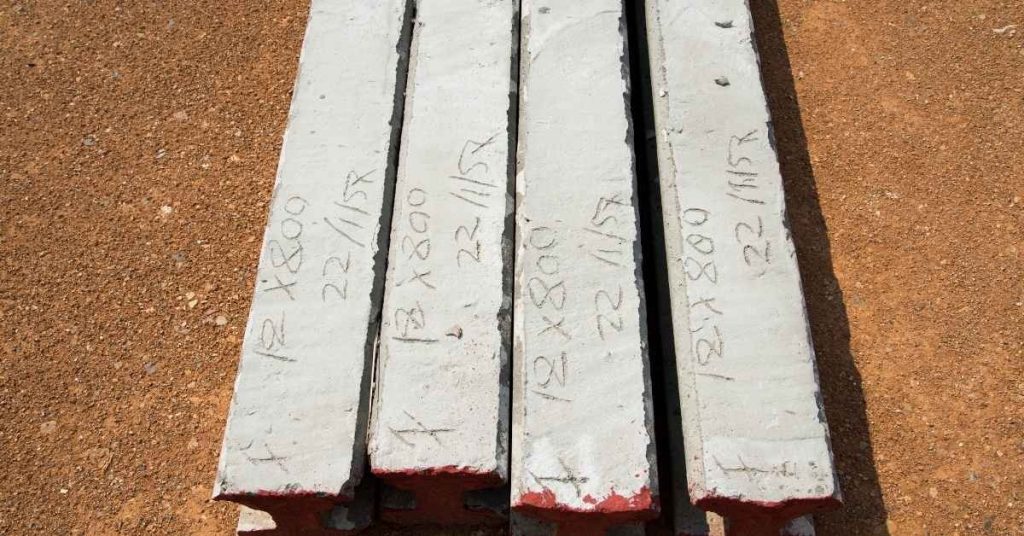
Four concrete test slabs with handwritten measurements on top

Sorptivity Explained: A Simple DIY Absorption Test and What the Results Mean

Introduction Sorptivity is a measure of how quickly a porous material absorbs water through capillary action. In this DIY intro, we’ll keep the test simple and describe what you can observe on a small patch of concrete or plaster. The goal is to get a practical sense of absorption behavior without high-tech gear. Results help

Sorptivity Explained: A Simple DIY Absorption Test and What the Results Mean Read More »

Concrete floor grinding machine on dusty floor surface

Foamed Concrete for Insulation: Common Failures, Protection Details, and When to Avoid It

Introduction Foamed concrete for insulation is lightweight concrete that includes air voids or foam to slow heat transfer. This article gives a practical, hands-on overview for DIY homeowners. It helps you know what to check on labels or with the manufacturer before you mix or apply it. Common failures include moisture intrusion, cracking, and poor

Foamed Concrete for Insulation: Common Failures, Protection Details, and When to Avoid It Read More »

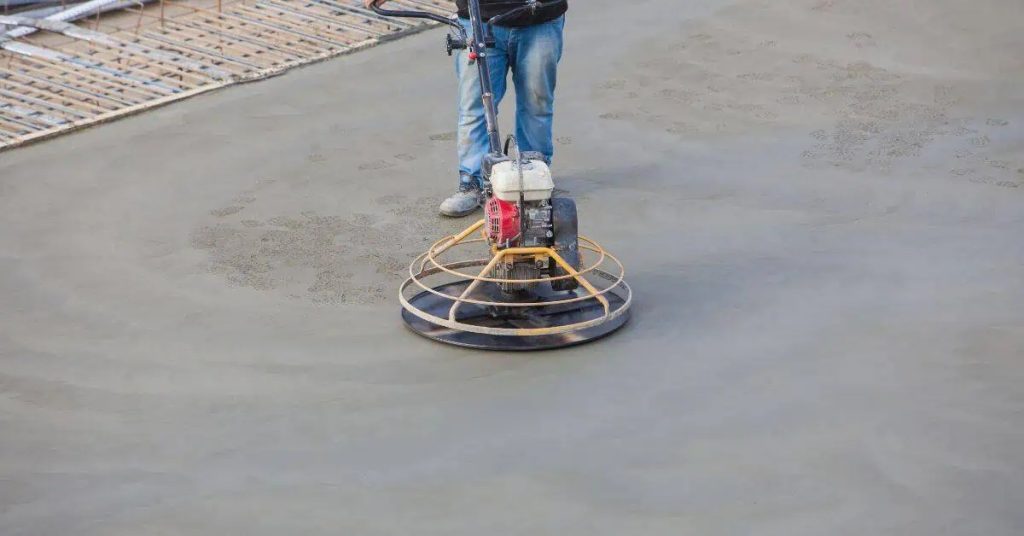
person using power trowel on wet concrete slab

Foamed Concrete for Lightweight Planters and Fill: DIY Mixing, Placing, and Finishing

Introduction Foamed concrete is a lightweight mix used for making planters and fill, mixed with air-entraining foam to reduce weight. This article walks you through practical, hands-on steps for mixing, placing in forms, and finishing for a durable, good-looking result. Check the product instructions and local rules for material limits before you start. Choose the

Foamed Concrete for Lightweight Planters and Fill: DIY Mixing, Placing, and Finishing Read More »

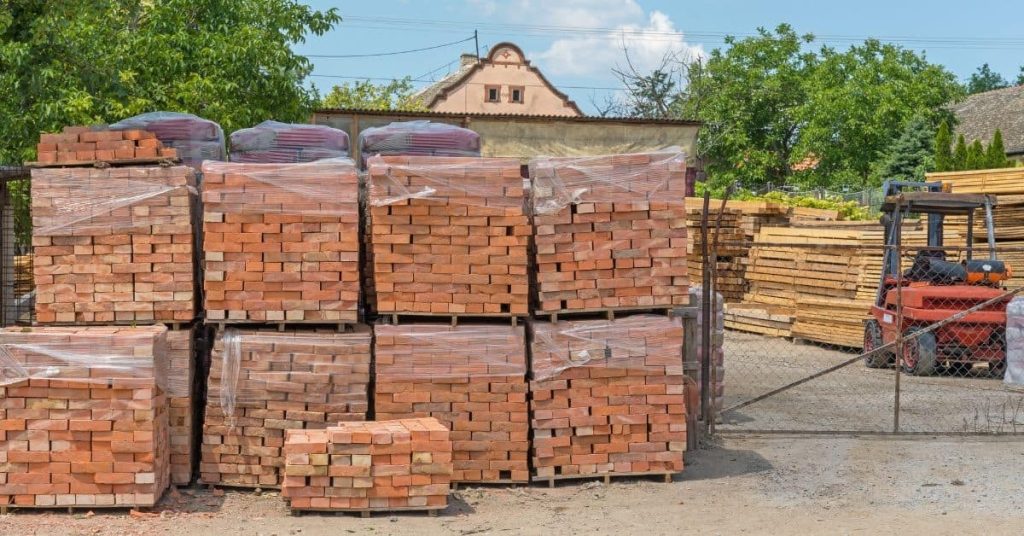
Stacks of red bricks wrapped on wooden pallets outdoors

Alternative Building Materials Compared: Hempcrete, Limecrete, Rammed Earth, and Geopolymer

Introduction This article compares hempcrete, limecrete, rammed earth, and geopolymer concrete as alternative building materials. In plain terms, these are non-traditional mixes and methods used for walls, floors, and envelopes in DIY projects. If you’re planning a project, check product labels, manufacturer instructions, and local rules for guidance on handling, curing, and compatibility with other

Alternative Building Materials Compared: Hempcrete, Limecrete, Rammed Earth, and Geopolymer Read More »

Stacked precast concrete columns outdoors on grass

SCMs for Stronger, Denser, Lower-Carbon Concrete: Metakaolin, Silica Fume, and LC3

Introduction SCMs are supplementary cementitious materials added to concrete to improve strength and density while lowering overall carbon. Metakaolin, silica fume, and LC3 are common options you might encounter in DIY mixes, each with distinct effects on workability and set. Always check product labels and manufacturer instructions, and start with small test batches to see

SCMs for Stronger, Denser, Lower-Carbon Concrete: Metakaolin, Silica Fume, and LC3 Read More »