Search Results for: 10 INCH ROUND CONCRETE

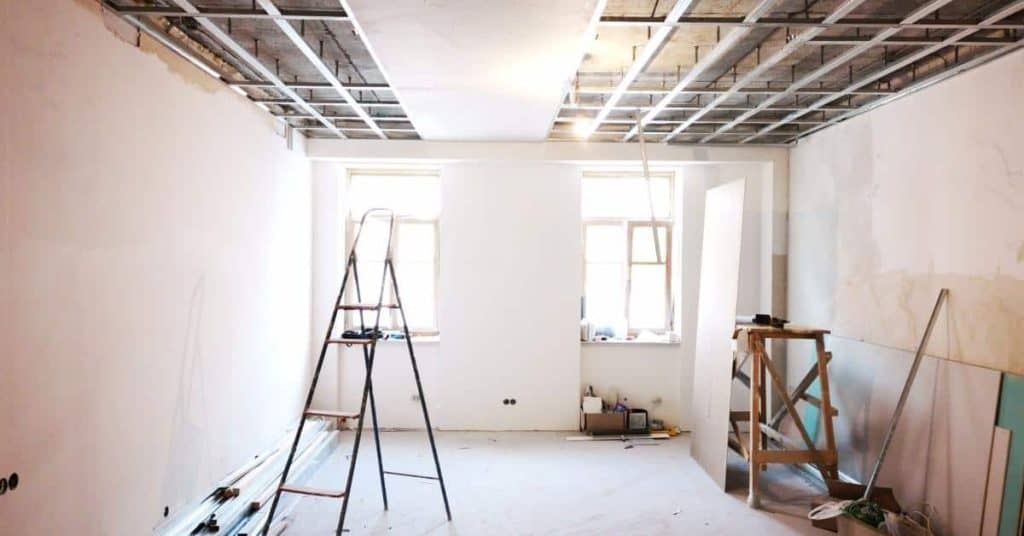
Room with exposed grid frame ceiling and ladder

Fixing a Sagging Drywall Ceiling: Fastener Patterns, Adhesive, and When to Add Strapping

Introduction Fixing a sagging drywall ceiling involves choosing the right fastener pattern, using adhesive appropriately, and knowing when to add strapping. I’ll walk you through practical approaches you can do at home, without fancy tools. Check product labels and local rules for fastener types and weight limits. Count on a hands-on approach: test the area, […]

Fixing a Sagging Drywall Ceiling: Fastener Patterns, Adhesive, and When to Add Strapping Read More »

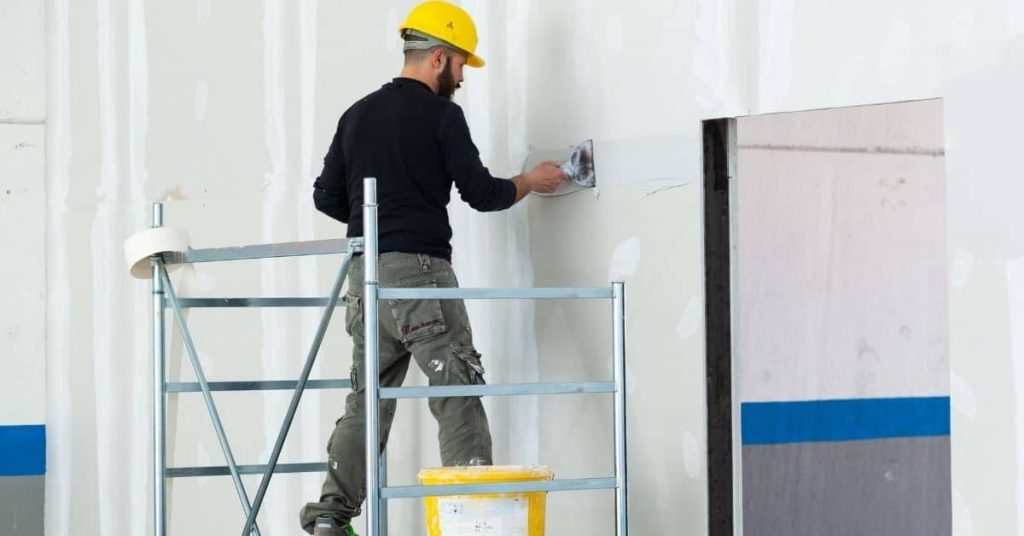
Worker applying plaster to drywall wearing yellow hard hat

Mold-Resistant Drywall in Basements: Moisture Testing Before You Hang Anything

Introduction Mold-resistant drywall is dry wall designed to resist moisture and mold growth in basements. It’s a practical upgrade when you’re finishing a damp space. I’ll walk you through how to tell if it’s a good fit and what to expect on the job. Before hanging anything, do moisture testing and air checks. Use a

Mold-Resistant Drywall in Basements: Moisture Testing Before You Hang Anything Read More »

Close-up of blue fiberglass mesh rolls

Paperless Drywall (Fiberglass-Faced): Where It Helps, How to Finish It, and Common Pitfalls

Introduction Paperless drywall with fiberglass facing is a gypsum board that uses a fiberglass mat instead of paper on the surface. It’s designed to resist moisture and mold better in damp spaces, though it still needs proper installation and sealing. This article covers where it helps, how to finish it, and common pitfalls. When finishing,

Paperless Drywall (Fiberglass-Faced): Where It Helps, How to Finish It, and Common Pitfalls Read More »

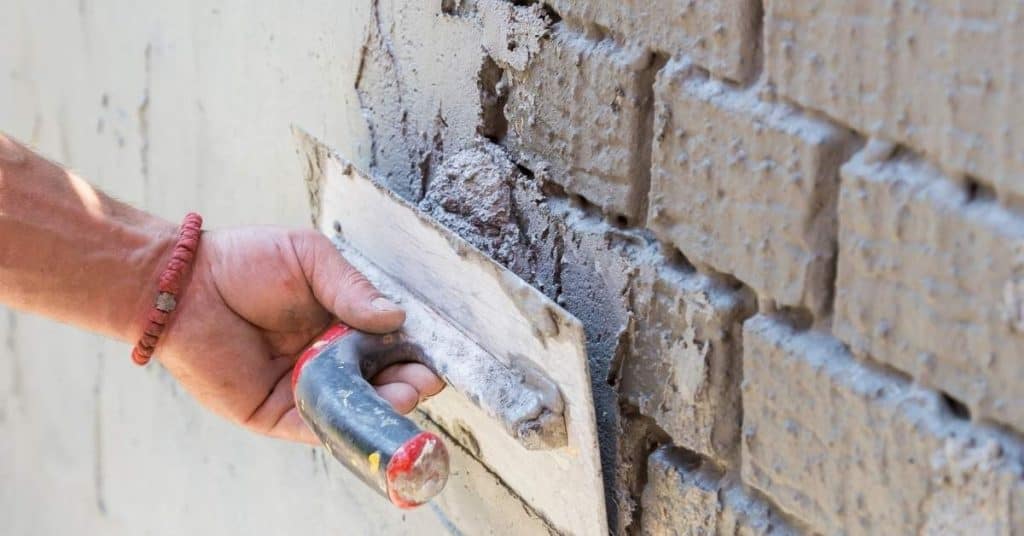
Hand applying plaster to rough brick wall with trowel

How to Patch Plaster Over Brick Arches Without ‘Shadow Lines’ Reappearing

Introduction Patching plaster over brick arches means applying new plaster to cover the brick and hide uneven shadows. You’ll aim for a flat, uniform surface that looks seamless with the surrounding wall. Work in small steps, keeping the mix workable and the surface clean as you go. Start by inspecting for loose bricks or dust,

How to Patch Plaster Over Brick Arches Without ‘Shadow Lines’ Reappearing Read More »

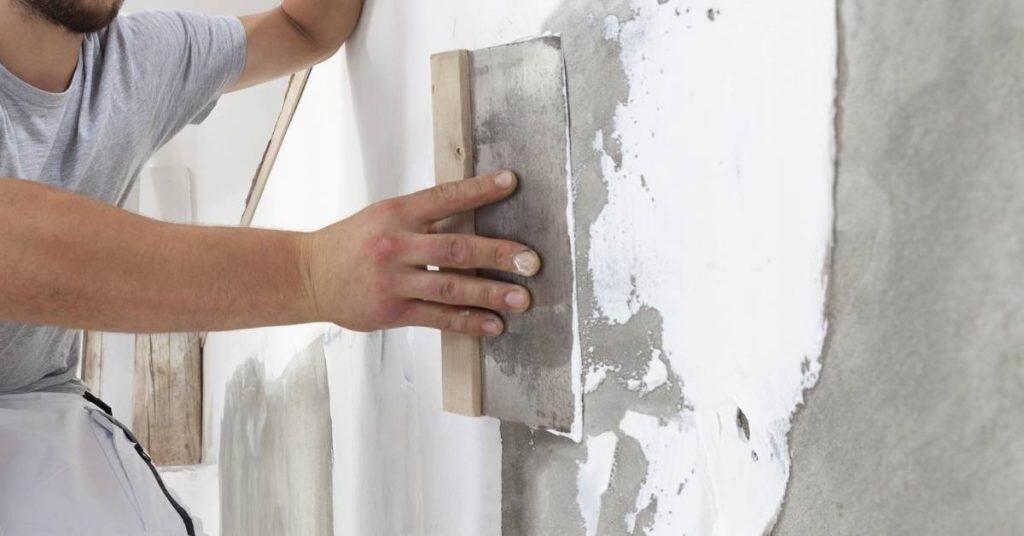
Person applying plaster to wall with tool

Creating a Plaster Accent Wall With Inlaid LED Channels (No Cracks at the Channel)

Introduction This is plaster on a wall with inlaid LED channels designed to hide lighting and keep cracks at the edges under control. It’s a hands-on project that blends masonry work with lighting details. You’ll mix, set, and shape plaster around recessed channels while planning for even lighting. Plan the layout and follow straightforward steps

Creating a Plaster Accent Wall With Inlaid LED Channels (No Cracks at the Channel) Read More »

Worker spraying cement plaster on concrete wall

Plaster in Shower Areas: When Cement Plaster Is Safer Than Gypsum (and Why)

Introduction Cement plaster is typically safer in shower areas because it resists moisture better than gypsum. It dries hard and handles moisture and humidity in wet zones better. Choose cement plaster for areas that get a lot of splash, and always follow the product label and local building guidance. Check that the substrate is sound,

Plaster in Shower Areas: When Cement Plaster Is Safer Than Gypsum (and Why) Read More »

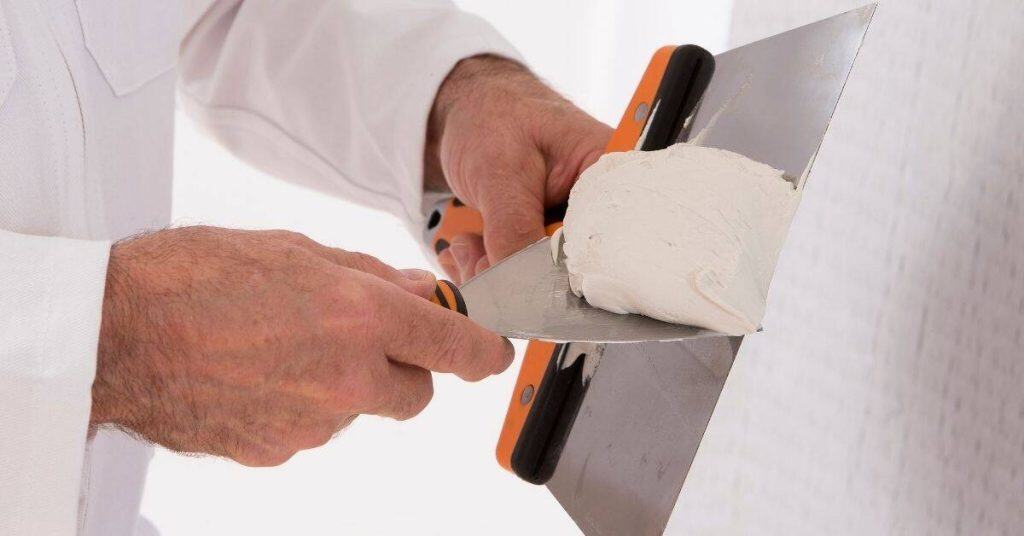
Person holding plaster on trowel and hawk

Feathering Plaster Into Painted Surfaces: Where to Sand, Where Not To, and Why

Introduction Feathering plaster into painted surfaces means blending the edge of new plaster into the existing paint so the transition is smooth. Keep the plaster slightly proud and wipe away excess as you work to avoid hard lines. Work in small, overlapping passes and check the edge from different angles. Be careful not to sand

Feathering Plaster Into Painted Surfaces: Where to Sand, Where Not To, and Why Read More »

Close up of cracked and peeling plaster on wall

Repairing Plaster After Recessed Lighting Install: Keeping the Patch Flush and Crack-Free

Introduction Repairing plaster after recessed lighting install means restoring the wall or ceiling so the patch sits flush with surrounding plaster and hides the cut edges. Start by cleaning the area and inspecting for cracks or loose material. Check product labels and local rules for recommended patching methods and drying times. Apply a patching compound

Repairing Plaster After Recessed Lighting Install: Keeping the Patch Flush and Crack-Free Read More »