Search Results for: 10 INCH ROUND CONCRETE

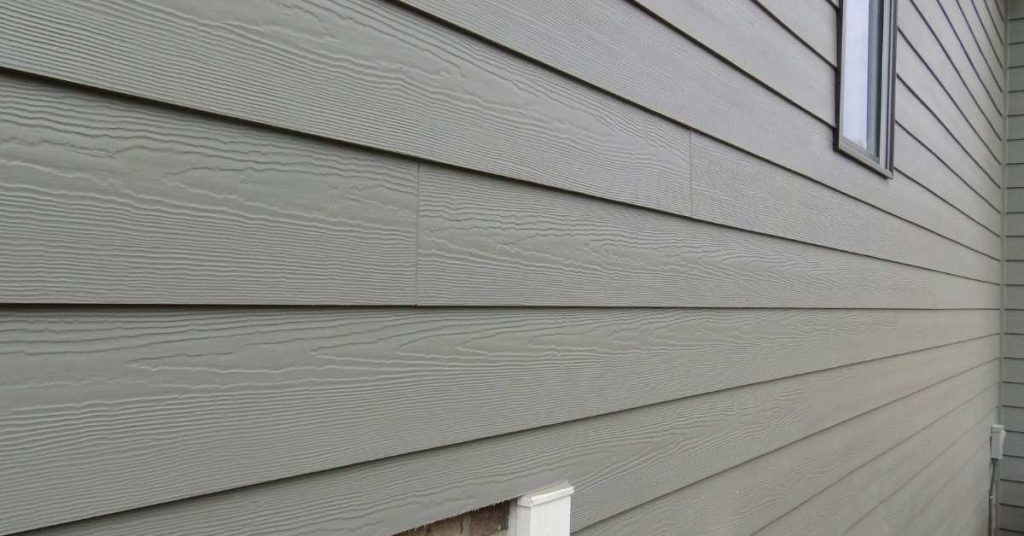
Close-up of gray fiber cement siding on house exterior

Stucco vs. Fiber Cement Siding: DIY Repairability and Long-Term Maintenance Compared

Introduction Stucco and fiber cement siding are two exterior materials, and this article compares their repairability and long-term maintenance. You’ll see practical, hands-on guidance on patching, replacing damaged sections, and what keeps these materials lasting. If a spec matters, check the product label, manufacturer instructions, and local rules before you dive in. From a DIY […]

Stucco vs. Fiber Cement Siding: DIY Repairability and Long-Term Maintenance Compared Read More »

blue stucco wall texture with varied surface depth

Sealing Penetrations Through Stucco (Vents, Linesets, Pipes): The ‘Sleeve + Flange’ Method

Introduction Sleeve + flange is a method to seal vents, linesets, or pipes where they pass through stucco. You install a sleeve through the opening, then attach a flange to seal against the wall and weather. This approach helps keep water out and makes future maintenance easier. Start by choosing a sleeve size that fits

Sealing Penetrations Through Stucco (Vents, Linesets, Pipes): The ‘Sleeve + Flange’ Method Read More »

closeup of red brick wall with mortar joints

Installing Expansion Joints in New Stucco: Simple Layout Rules for DIY Projects

Introduction Expansion joints are gaps that let stucco expand and contract without cracking. In new stucco, plan these joints where movement or stress is likely and at regular intervals. Keep joints clean and avoid sealing them with rigid materials. Where to place joints depends on wall size, substrate, and climate. Check manufacturer guidance and local

Installing Expansion Joints in New Stucco: Simple Layout Rules for DIY Projects Read More »

Hand wearing glove installing fastener into foam board insulation

Stucco Over Foam Board: Choosing Mesh Weights and Avoiding ‘Wavy Wall’ Syndrome

Introduction This article explains how to apply stucco over foam board and why mesh weight matters. You’ll learn about choosing the right mesh and what to watch for to keep the wall flat. We’ll keep it practical and hands-on, with steps you can check on the job site. Start by confirming your foam board and

Stucco Over Foam Board: Choosing Mesh Weights and Avoiding ‘Wavy Wall’ Syndrome Read More »

Close up of foam insulation and stucco edge

How to Repair a Missing Stucco ‘Drip Edge’ at Horizontal Bands (So Water Stops Tracking Back)

Introduction A missing stucco drip edge is the built‑in edge of the stucco that directs moisture away and stops water from tracking back into the wall. Without it, water can wend its way behind the band and cause staining or leaks. To fix it, plan to add proper edging or flashing where the horizontal band

How to Repair a Missing Stucco ‘Drip Edge’ at Horizontal Bands (So Water Stops Tracking Back) Read More »

Reinforcing mesh embedded in stucco corner near white wall

Stucco Corner Cracks at Windows: Mesh Layout That Actually Stops the Repeat Cracks

Introduction A proper mesh layout at window corners is a reinforcement plan that helps stop cracks from reappearing. It keeps the stucco from pulling away where the frame meets the opening. Check manufacturer instructions and local rules for acceptable mesh sizes and application methods. I lay out the mesh so it overlaps the corner edges

Stucco Corner Cracks at Windows: Mesh Layout That Actually Stops the Repeat Cracks Read More »

Exterior stucco wall with scaffolding and windows

Hairline Stucco Cracks Over Framing: When It’s Normal Movement vs. a Missing Joint

Introduction Hairline stucco cracks over framing are small, common movement cracks at the edges where the wall framing meets the exterior skin. They happen as the house settles, dries, or seasons change. Usually they’re cosmetic, but it helps to keep an eye on them and assess what caused them. If a crack follows a straight

Hairline Stucco Cracks Over Framing: When It’s Normal Movement vs. a Missing Joint Read More »

Stucco wall with peeling revealing concrete underneath

Efflorescence on Stucco After Rain: What It Indicates and Gentle Removal Methods

Introduction Efflorescence is a white, powdery salt deposit that shows up on stucco after rain. It means moisture is moving through the wall and carrying soluble salts to the surface. This is common after wet weather and is not mold, though it points to moisture behind the veneer. To remove it gently, start with a

Efflorescence on Stucco After Rain: What It Indicates and Gentle Removal Methods Read More »

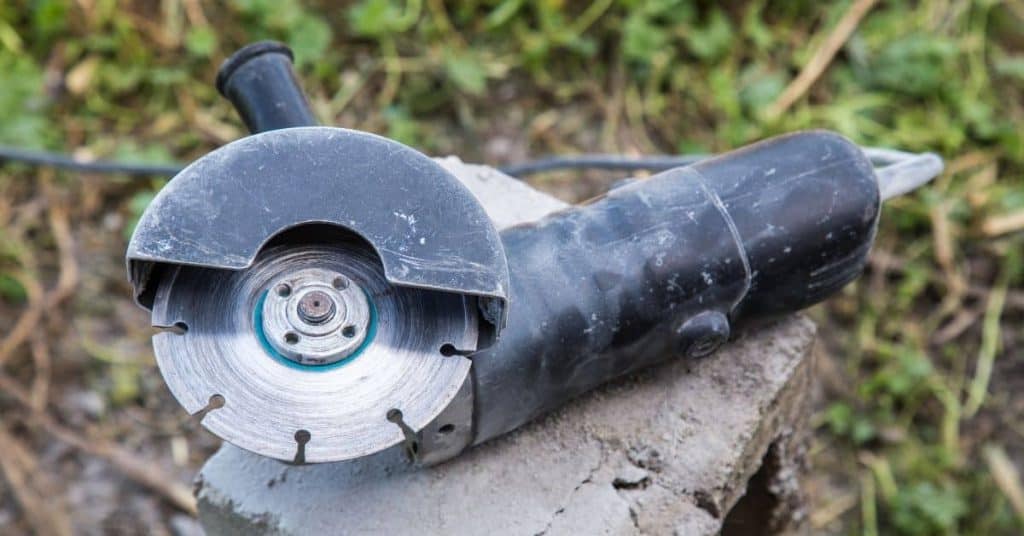
Angle grinder resting on concrete block outdoors

Repairing Stucco Behind Downspouts: Rebuilding the WRB and Getting the Termination Right

Introduction Repairing stucco behind downspouts means fixing the weather-resistant barrier and ensuring proper edge termination to prevent water intrusion. This is a hands-on DIY task that focuses on reestablishing a continuous moisture barrier and a clean transfer of water away from the wall. You’ll need to work behind the downspout area, where access and flashing

Repairing Stucco Behind Downspouts: Rebuilding the WRB and Getting the Termination Right Read More »

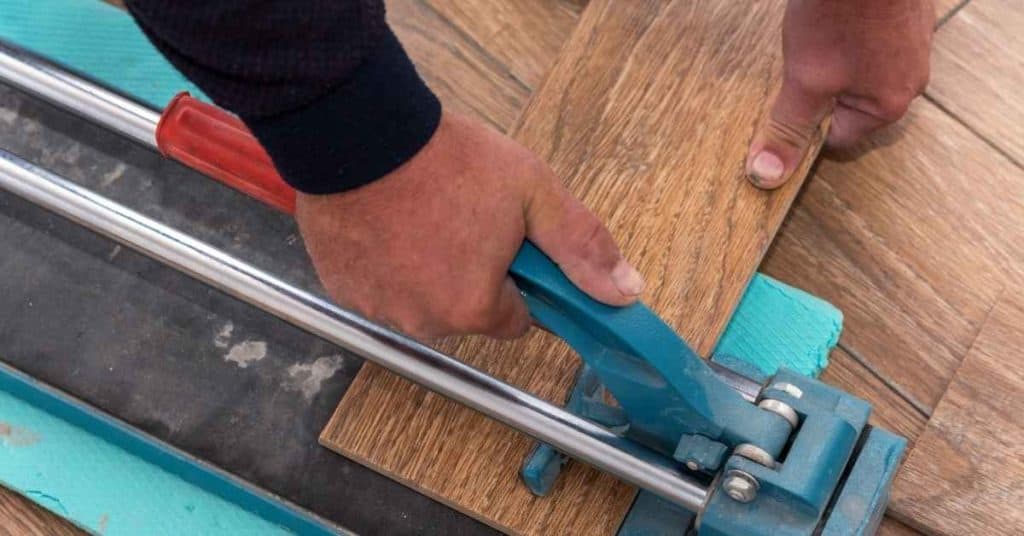
Hands cutting wood-look tile with manual tile cutter

Transition Strips That Don’t Look Cheap: Flush Transitions, Scribes, and Custom Saddles

Introduction Flush transitions are finish pieces that create a seamless edge between floor surfaces without a visible drop or lip. In this article, we’ll cover how to get flush transitions, have clean scribes, and build custom saddles that look like part of the install. Focus on matching height, marking where trim meets the floor, and

Transition Strips That Don’t Look Cheap: Flush Transitions, Scribes, and Custom Saddles Read More »