Search Results for: 10 INCH ROUND CONCRETE

Person installing wood-look vinyl flooring on adhesive

LVP on Concrete Slabs: Moisture Tests You Can Do and Underlayment Choices

Introduction LVP on concrete slabs means laying luxury vinyl plank over a concrete floor while evaluating moisture in the slab and picking an underlayment that suits the job. It’s a practical DIY approach, not a showpiece install, so you’ll want to verify dryness and choose materials that tolerate the conditions you’re working with. Expect to […]

LVP on Concrete Slabs: Moisture Tests You Can Do and Underlayment Choices Read More »
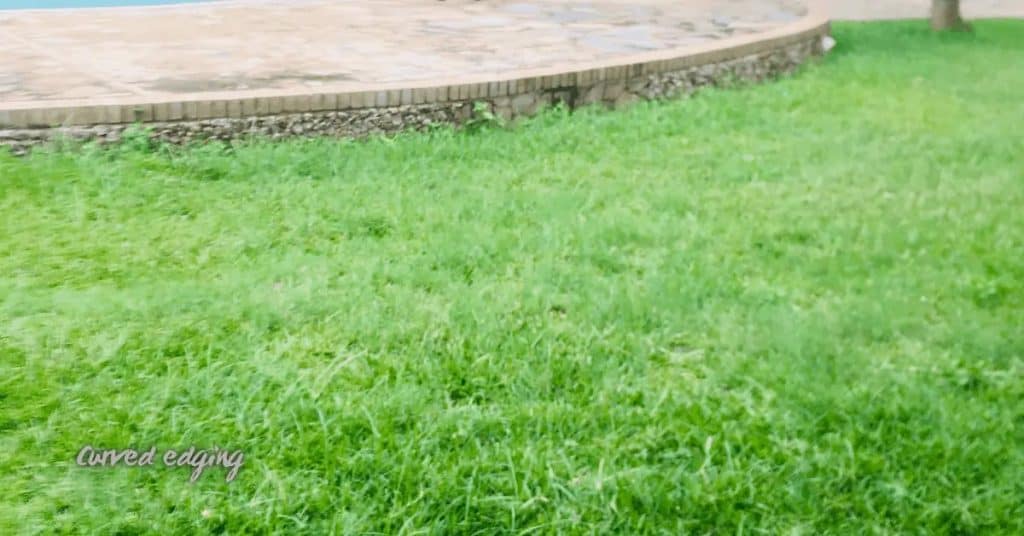
Curved concrete edging border next to green grass lawn

Repairing a Cracked Concrete Edging Border (Reinforce and Hide the Seam)

Introduction A cracked concrete edging border can be repaired by reinforcing the seam and hiding the crack so the edge looks solid again. This is a practical, do-it-yourself fix you can handle with basic tools and proper preparation. Take time to clean the crack, follow the product instructions, and plan for a neat finish. Start

Repairing a Cracked Concrete Edging Border (Reinforce and Hide the Seam) Read More »

Interlocking permeable paver blocks with open joints and gravel fill.

Concrete Paver ‘Rocking’ Fix on Sand: When to Regrade vs. Switch to Mortar

Introduction A rocking concrete paver on sand happens when the base shifts and the paver isn’t bedded level. You’ll usually see movement when a surface feels wobbly or shows gaps around edges. This article helps you decide whether to regrade the base or switch to mortar in a simple, hands-on way. To identify the problem,

Concrete Paver ‘Rocking’ Fix on Sand: When to Regrade vs. Switch to Mortar Read More »

Paint roller applying liquid to concrete pavers

DIY Large-Format Concrete Pavers: Reinforcement, Curing, and Warp Prevention

Introduction Large-format concrete pavers require proper reinforcement, curing, and warp prevention to stay flat and durable. In plain terms, you reinforce the base and pavers, manage moisture and temperature during curing, and watch for movement that can cause warping. This article focuses on practical, hands-on methods you can apply on a DIY project. Follow the

DIY Large-Format Concrete Pavers: Reinforcement, Curing, and Warp Prevention Read More »

Interlocking concrete pavers arranged in a grid pattern.

How to Cast Removable Concrete Pavers With Built-In Lifting Slots

Introduction Removable concrete pavers with built-in lifting slots are modular paving units cast with recessed grips to lift and reposition. This is a practical, hands-on overview you can follow in a DIY setup for long-term flexibility and easy maintenance. When selecting materials and planning, check product labels and manufacturer instructions for slot design, heel protection,

How to Cast Removable Concrete Pavers With Built-In Lifting Slots Read More »

Unfinished wooden deck frame with exposed joists and vertical posts.

How to Repair Concrete Around a Deck Post Base Without Replacing the Whole Pad

Introduction This article explains how to repair concrete around a deck post base without replacing the whole pad. You’ll start by inspecting for cracks, spalling, or loose sections around the base. Then you’ll plan a simple patching approach using common hand tools and patch material. Identify damage around the post base and note where the

How to Repair Concrete Around a Deck Post Base Without Replacing the Whole Pad Read More »

White insulated concrete forms stacked outdoors on grass

DIY Concrete Door Sill / Threshold Pour: Forms, Drip Edge, and Sealant Joint

Introduction A DIY concrete door sill/threshold pour is a hands-on project to create a flat, durable doorway transition using simple forms, controlled pours, and proper finishing. You’ll set up forms to hold the concrete at the right height and shape, then plan for a drip edge and a clean joint where the sill meets the

DIY Concrete Door Sill / Threshold Pour: Forms, Drip Edge, and Sealant Joint Read More »

Worker measuring concrete slab with tape measure

Grinding High Spots on a Concrete Slab Safely (Dust Control and Tool Choices)

Introduction Grinding high spots on a concrete slab is the process of leveling protrusions to bring the surface flat and even. High spots can come from uneven finishing, hard trowel lines, or settling, and identifying them requires a simple run-over with a straightedge or level. Work calmly, plan for dust control and choose the right

Grinding High Spots on a Concrete Slab Safely (Dust Control and Tool Choices) Read More »