
Introduction
Scarifier (floor planner) and grinder are two concrete tools that produce different overlay profiles. A scarifier removes material with rotating blades to flatten and roughen the surface for bonding. A grinder uses abrasive wheels to shave and finish the surface for a smoother edge.
Understanding when each tool is appropriate helps avoid under- or over-preparing the substrate. Look at the surface profile you need, the project scope, and check manufacturer guidance for blade or wheel types, depth limits, and ventilation. Choose a scarifier for thicker removal and bulk path to a level surface; choose a grinder for fine feathering and precise edges.
Key takeaways
- Scarifier (floor planer) removes concrete with shear depth, creating rougher CSP suitable for overlays.
- Floor grinder uses diamond segments to smooth and produce finer CSP suitable for coatings.
- Surface profiles differ: scarifiers aggressively abrade, grinders refine for consistent uniformity.
- Choose scarifier for heavy material removal and rough profile readiness for overlays.
- Sequence: scout project, match profile, then finish with grinder if needed.
- Safety: wear PPE, control dust, and follow manufacturer guidelines and local codes.
Table of Contents
- Introduction
- Key takeaways
- Quick Verdict and Article Roadmap
- What Is a Scarifier and How It Works
- What Is a Floor Grinder and How It Works
- Surface Profile Comparison Using the ICRI CSP Framework
- When to Choose a Scarifier, a Grinder, or Both (Sequencing)
- Cost, Rental, and Productivity Considerations
- Safety, Dust Control, and PPE for Scarifiers and Grinders
- Project Planning Checklist and Common Mistakes to Avoid
- Conclusion
- FAQ
Quick Verdict and Article Roadmap
A scarifier excels when you need rapid material removal and a coarse texture to anchor overlays, while a grinder shines in refining and leveling to a consistent final profile. The choice hinges on the project’s CSP targets and how even the surface must be for bond performance. If the goal is fast removal of laitance, coatings, or hardened layers, scarifying often wins out; for smoothing and fine-tuning, a grinder is typically preferred.
Key decision drivers include material removal rate, achievable CSP targets, and how surface evenness affects overlay adhesion. Production rate, number of passes, and workflow influence project timelines and labor. Budget considerations cover tool rental or purchase, blade or cutter costs, maintenance, and potential downtime. The roadmap outlines what readers will find in each upcoming section: scarifier specifics, grinder specifics, CSP goals, project-type guidance, safety steps, and a wrap-up.
Guide Applicability
This guide is intended for professionals and DIY enthusiasts engaged in concrete surface preparation. It caters to surface prep contractors, general contractors, and facility managers aiming to achieve specific concrete surface profiles (CSP) on slabs.
While a fundamental understanding of concrete tools and processes is expected, this guide offers clear, practical advice suitable for both experienced users and beginners.
Before commencing work, ensure that your projects align with the scope of this guide. If your project involves heavy-duty material removal or necessitates specialized equipment, consider consulting professional assistance.
Using this Guide
This guide helps you select the right tool for your project. Follow these steps:
- Quick Verdict and Article Roadmap: Understand when to choose a scarifier or grinder based on your project’s key factors.
- Scarifier vs Grinder: Detailed Comparison: Explore each tool’s capabilities and limitations in detail.
- Choosing by Project Type: Match your project requirements with the tools’ strengths to make an informed decision.
- Safety Precautions: Always review safety guidelines before starting work. This section covers essential precautions for both scarifiers and grinders.
- Final Considerations: Before making your final choice, consider budget, maintenance, and downtime implications to ensure a smooth project workflow.
What Is a Scarifier and How It Works
A scarifier is a surface prep machine that acts as a milling device with a rotating drum housing many cutting tools. Material is removed via a cutting action rather than grinding, producing a rough texture. This approach supports deeper removal where needed.
The drum speed, tool configuration, and feed rate determine how aggressively material is stripped and how the surface roughness develops. Higher depths of cut and denser cutter arrays drive faster removal and more macrotexture. Practical indications include heavy removal of laitance, coatings, or hardened top layers for a strong anchor for overlays.
Common cutter types and machine configurations
A scarifier’s performance is influenced by the type of cutters used and the machine configuration. Consider these common options:
Cutter Types:
- Single picks: Ideal for general-purpose use, these cutters feature a single point that removes material.
- Carbide cutters: Suitable for tough materials like epoxy or thick coatings due to their durability and resistance to wear.
- Modular cutter drums: Allow for easy replacement of worn-out cutters and can accommodate various cutter types.
Machine Configurations:
- Push vs. self-propelled: Self-propelled machines offer better maneuverability in tight spaces or on uneven surfaces, while push machines are suitable for larger, flat areas.
- Power source: Machines can be powered by electricity (110V/240V) or fuel (gasoline/diesel). Choose based on availability and project requirements.
Typical surface outcomes and intended uses
Scarifiers produce a rough, toothed texture on concrete surfaces, ideal for various applications:
The aggressive cutting action removes laitance, coatings, or high spots, creating a macrotexture that improves traction and adhesion for subsequent overlay or coating application.
Primary Applications:
- Coating removal: Scarify to strip old paint, sealers, or other coatings before applying new materials.
- Leveling high spots: Remove excess material from high areas to create a smooth, even surface for overlay application.
- Creating traction: Improve slip resistance by generating a rough texture on surfaces prone to pedestrian traffic.
What Is a Floor Grinder and How It Works
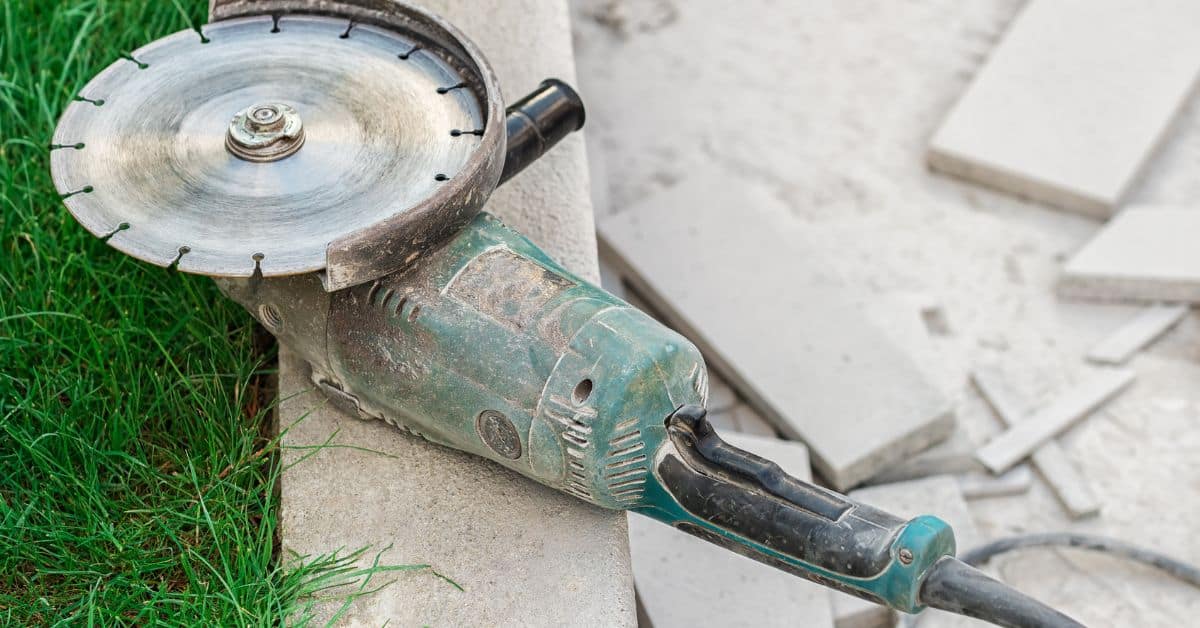
A floor grinder is a walk-behind or hand-held unit focused on abrading and smoothing concrete rather than removing large quantities of material. It uses diamond tooling or abrasive discs to grind the surface to the desired level. The emphasis is on finishing capability rather than bulk removal.
The selection of diamond tooling versus abrasive heads affects removal rate and surface finish, with grits and tooling geometry guiding texture. Controlling rpm, pressure, and feed rate helps achieve a consistent overlay profile. Common configurations include dust collection and water or cooling options to manage heat and dust while grinding.
Grinder Tooling Options and Finishes
The choice of tooling significantly impacts the material removal rate and final surface finish when using a floor grinder.
- Coarse Diamonds/Heavy Heads: These are ideal for initial profiling, removing thin coatings, or evening out small imperfections. They typically have grit sizes ranging from 16 to 30. Tip: Use lower grits for faster material removal.
- Medium Grit Diamonds (36-70): These are versatile and suitable for a range of applications, from preparing surfaces for thin toppings to creating a uniform roughness. They offer a balance between material removal rate and surface finish quality.
- Fine Grit Diamonds (80-250): For decorative polishing or achieving a high-gloss finish, fine grit diamonds are essential. They can be used alone or in combination with planetary action for better coverage.
- Planetary Action: This feature allows multiple grinding heads to rotate independently while the main head spins in the opposite direction. It ensures even material removal and a consistent finish across the entire surface.
- Single-Head Grinders: These are typically lighter, more maneuverable, and suitable for smaller areas or tight spaces. They usually operate at higher RPMs (up to 1500) compared to planetary grinders.
Typical Surface Outcomes and Intended Uses
A floor grinder’s primary role is to abrade, smooth, and refine concrete surfaces. It creates a smoother, more uniform profile compared to scarifiers, which are designed for deeper removal.
Feathering Edges: Grinders can be used to feather edges where the slab meets walls or other slabs, creating a smooth transition between surfaces.
Surface Preparation for Thin Toppings: By creating a uniform roughness, grinders prepare concrete slabs for the application of thin toppings like epoxy coatings or overlays. This ensures better adhesion and a more consistent final appearance.
Decorative Polishing: With the right tooling, floor grinders can polish concrete surfaces to a high gloss, revealing the natural beauty of the material. This is often used in decorative or commercial settings where aesthetics are important.
Surface Profile Comparison Using the ICRI CSP Framework
The CSP framework describes surface roughness and texture levels that influence overlay adhesion and performance. The mapping considers whether scarifying yields a macrotexture and where grinders typically produce finer, more uniform textures. Expect a broader, rougher spectrum from scarifiers and a tighter range from grinders.
Matching CSP to overlay specs matters for bond performance and long-term durability. The decision criteria help determine whether CSP targets align with tool outcomes, and provide a quick-reference guide for field checks. Practical visuals or checklists support verification of texture and consistency in the workspace.
How Different Profiles Affect Overlay Bonding
The surface profile of your concrete slab plays a critical role in the performance of your overlay. Both too-smooth and too-aggressive profiles can lead to adhesion failure or excessive substrate weakness.
Too-smooth surfaces, achieved by over-grinding, may not provide enough mechanical interlocking with the overlay, leading to poor bond strength and potential delamination. Conversely, too-aggressive profiles, often resulting from deep scarification, can weaken the substrate, making it more susceptible to damage under service conditions.
To ensure optimal bond performance, it is crucial to match the achieved Concrete Surface Profile (CSP) to the manufacturer’s recommendations for your chosen overlay system. This alignment ensures that the surface provides adequate mechanical interlocking and adhesion, enhancing long-term durability and resistance to delamination.
Visual Checkpoints and Simple Field Tests
Before proceeding with your overlay application, it’s essential to confirm that the surface profile meets the required standards. Use this checklist for visual and tactile checks, as well as simple bond tests.
- Inspect visually: Ensure the surface is clean, free from contaminants, laitance, or other debris, and has a uniform texture matching your target CSP level.
- Feel the surface: Tactile inspection helps confirm the roughness, microtexture, and uniformity of the profile. A smooth, even feel indicates a suitable profile.
- Conduct a pull test: Apply adhesive tape to the surface, then pull it off quickly. The tape should remove some material if the surface is tacky enough for good adhesion potential.
- Perform a water test: Apply water to the surface. Beading indicates good wetting ability and surface energy, while absorption suggests a smoother profile or contamination.
- Prepare demo areas: Apply the overlay material to small, isolated areas to assess adhesion and curing performance before full-scale application.
- Inspect demo areas: After proper curing time, check demo areas for signs of delamination, blistering, or other adhesion issues. If present, address any problems before proceeding with the main overlay application.
Quick rule: If visual/tactile checks and simple bond tests pass, proceed with the overlay application process. If not, re-evaluate and address any issues before continuing.
When to Choose a Scarifier, a Grinder, or Both (Sequencing)
Start with project goals and surface condition to set your overlay target. Consider whether the base concrete, existing coatings, or contaminants demand aggressive removal or gentler preparation. This framing guides tool selection from the outset.
A practical sequencing approach often uses a scarifier for bulk removal and rough profiling, followed by a grinder for cleanup and tuning. If removal needs are high or the surface is very rough, scarify first; for fine-tuning or smoothing, switch to a grinder. Account for noise, dust, and access constraints in the plan.
Typical Scarifier-First Workflows
When heavy removal or profiling is required before overlay application, a scarifier should be your first tool of choice. This is especially true when dealing with:
- Heavily contaminated surfaces
- Thick coatings or adhesives
- Extensive damage or delamination
Quick Check: Assess if bulk material removal is necessary prior to overlays. Pro Check: Verify the scarifier’s removal rate and depth per pass for your given surface condition.
Starting with a scarifier helps to:
- Remove large amounts of material quickly
- Create a rough profile that promotes adhesion
- Expose underlying substrate for better bonding
After scarifying, ensure you perform cavity cleaning and verification before proceeding with overlays.
When Grinder-Only Is Appropriate
A grinder can be used alone when minor prep, smoothing, or polishing is needed with minimal material removal. This tool is ideal for:
- Removing thin coatings or contaminants
- Smoothing out small imperfections
- Achieving a specific final finish
Quick Check: Evaluate if fine-tuning or smoothing is sufficient for overlay adhesion. Pro Check: Ensure the grinder’s tooling options match your required final finish.
A grinder-only approach helps to:
- Create a smooth, even surface
- Remove thin coatings or contaminants efficiently
- Achieve a consistent, high-quality finish
However, if heavier profiling is needed, consider adding a scarifier pass before grinding.
Combined Workflows and Recommended Sequence
The most common sequence for achieving consistent overlay profiles involves using both tools in succession. This approach is recommended when:
- Heavy removal or rough profiling is needed initially
- Fine-tuning and peak removal are required afterwards
- Consistent overlay adhesion is crucial
The recommended sequence is as follows:
- Scarify for bulk material removal and rough profiling
- Vacuum to remove debris
- Grind to tune the profile, remove peaks, and achieve the desired final finish
Using this combined approach helps to:
- Ensure consistent overlay profiles
- Promote strong adhesion between the substrate and overlay
- Achieve a high-quality, durable finished surface
Cost, Rental, and Productivity Considerations
Assess the total cost of ownership and rental options for scarifiers and grinders, including potential purchase price versus daily or weekly rates and expected utilization. Consider how tool longevity and compatibility influence overall project economics. Use supplier data to benchmark costs without assuming fixed values.
Tooling, wear parts, and replacement components drive ongoing expense, as do labor, setup, and cleanup time. Include disposal, dust control measures, and any permits or regulatory fees that may apply. Gather quotes that itemize scope, delivery windows, and warranty terms to compare options accurately.
Estimating Productivity and Time for Bids
Accurate production estimates are crucial for setting realistic project timelines and customer expectations. To estimate, you’ll need to calculate surface area, desired removal depth or profile, and tool-specific pass rates.
First, determine the total surface area of the concrete slabs that require profiling. You can do this using site plans or by measuring with a laser device. Ensure your calculations are correct by cross-verifying with both methods.
Next, identify the desired removal depth or profile for your overlay. This will help you understand how much material needs to be removed per square foot.
Lastly, obtain tool-specific pass rates from manufacturer data or rental representatives. These rates indicate how much area a tool can cover in an hour at a given depth. Use these rates to estimate the time needed for each square foot of profiling work. Remember to re-evaluate your calculations if actual production rates differ significantly from estimates.
Rental vs Purchase and Ongoing Operating Costs
Understanding the economics of buying versus renting equipment helps optimize project budgets and long-term equipment strategy. Consider the following factors when making your decision:
Frequency of use: If you only need the equipment occasionally, renting may be more cost-effective than purchasing. However, if you require frequent use, purchasing could result in lower long-term costs.
Maintenance and tooling replacement: Evaluate maintenance costs, tooling replacement intervals, storage requirements, and training expenses for both options. Regularly review and update your calculations as usage patterns or market rates change.
Additionally, consider any potential discounts for longer rental terms if you anticipate needing the equipment for an extended period. If you decide to purchase, ensure you have adequate space for storage and a plan for maintaining the equipment in good working condition.
Safety, Dust Control, and PPE for Scarifiers and Grinders
Identify mandatory safety controls such as respiratory protection, HEPA vacuums, water suppression where allowed, vibration mitigation, and hearing/eye protection. Link to regulatory limits for silica exposure to guide selections. PPE protocols should be aligned with task intensity and exposure risk.
Regulatory considerations cover OSHA/MSHA standards, medical surveillance, training, and recordkeeping requirements. Also address dust and vapor control strategies, machine-specific hazards, and PPE inspection routines to maintain compliance and worker safety over the project duration.
Site containment and environmental controls
Protect workers and occupants from dust exposure by implementing proper site containment measures. This includes:
Isolating work areas using barriers or partitions to contain dust within the work zone.
Ensuring adequate ventilation to prevent dust accumulation in the air. Check local regulations for specific requirements.
Setting up waste capture systems, such as HEPA vacuums, to collect and dispose of generated dust safely.
Operator techniques to reduce risk and rework
Maintain safety and substrate integrity by following correct operator techniques:
Feed rates: Follow recommended speeds as per the tool’s manual. Too fast can cause tool overload, while too slow may damage the substrate.
Staging: Work in manageable sections to avoid overloading tools and causing vibration injuries or substrate damage.
Rest intervals: Take regular breaks to reduce operator fatigue and vibration exposure. Check manufacturer guidelines for recommended rest periods.
Project Planning Checklist and Common Mistakes to Avoid
Pre-inspection and substrate readiness establish viability and determine the best tool for the target surface profile. Assess moisture, coatings, cracks, and structural limits early. This step informs the tool choice and sequencing decisions.
Adhesion testing, contamination checks, and profiling targets ensure proper bonding for the overlay. Use a trial area to validate the chosen approach and set objective acceptance criteria before full-scale work. Document test results and adjust plans as needed to avoid common mistakes that compromise performance.
Tools and Materials Checklist
Ensure you have all the necessary gear and consumables on site for a successful concrete slab overlay project.
- Scarifier/Grinder: Choose based on your profiling needs. A scarifier is ideal for aggressive profiling, while a grinder is better for fine-tuning or light removal.
- Appropriate Cutters/Discs: Select cutters or discs suitable for the desired surface profile (CVR, roughness, and aggregate exposure).
- Vacuums: Dust extraction is crucial. Ensure you have powerful vacuums that meet regulatory limits.
- Personal Protective Equipment (PPE): Include safety glasses, ear protection, gloves, and respiratory protection to maintain a safe job site.
- Spare Tooling: Have extra cutters or discs on hand for tool failure or wear during the project.
- Marking Materials: Use marking tools to outline areas and ensure accurate profiling.
- Cleaning Tools: Include brooms, brushes, and other cleaning supplies to maintain a tidy job site.
Common Selection and Execution Mistakes
Learn from common contractor errors to avoid pitfalls in your concrete slab overlay project.
- Mismatching CSP to Overlay: Ensure the chosen tool (scarifier or grinder) and its cutters or discs match the required surface profile for your overlay system.
- Skipping Test Patches: Always perform test patches to validate profile, adhesion, and cold-weather/temperature constraints before full-scale work.
- Underestimating Disposal and Cleanup: Plan for proper disposal of waste material and allocate sufficient time and resources for cleanup.
- Insufficient Dust Control: Implement thorough dust control measures to maintain a safe job site and meet regulatory limits.
Avoid these common mistakes by thorough planning, documentation, and continuous learning from past projects.
Conclusion
Pursuing the right approach comes down to aligning the tool with the surface profile goal, safeguarding the substrate, and delivering a durable, even overlay without unnecessary damage. The safest path is to define the CSP target, check the slab condition, and plan a controlled sequence that uses the appropriate tool, with dust control and PPE treated as non-negotiables.
First, verify the current surface, decide the CSP aim, check the equipment readiness and abrasive/bit conditions, set a conservative depth limit, test in a small area, implement dust control, wear proper PPE, and monitor results as you progress to ensure you stay on track and avoid costly mistakes.
Common mistakes to avoid include over- or under-flaring the tool depth, skipping a small-area test before full deployment, neglecting dust control and ventilation, and rushing through the work without verifying substrate integrity or documenting progress. Always keep the machine moving smoothly, maintain a secure setup for extensions and cables, and stop to reassess if the concrete shows edge spalls, existing rebar exposure, or unexpected hardness. If any of these conditions arise, reassess the plan and adjust depth, speed, and sequencing accordingly.
If the project is large, or if there are structural concerns, uncertain CSP targets, or limited experience with scarifiers or grinders, consider bringing in a professional. When in doubt, prioritize safety and accuracy, and remember that a careful start and a measured finish yield the best long-term results for appearance, durability, and performance. Stay deliberate, stay safe, and you will achieve a reliable overlay profile that stands up to use.
FAQ
What exactly is a scarifier (floor planer) and how does it differ from a grinder?
A scarifier is a tool that removes surface material with rotating cutters or blades to roughen and profile the concrete. A floor grinder uses abrasive discs to grind material away and smooth the surface. Each tool functions differently and is designed for distinct surface work.
How do surface profiles differ between scarifiers and grinders?
Scarifiers tend to create a rougher, more aggressively textured surface with deeper anchor points for overlays. Grinders produce a flatter, smoother profile with finer control over abrasion. The resulting surface acceptance for overlays depends on the tool and the method used.
When should you choose a scarifier versus a grinder, or use both?
Choose a scarifier for rapid removal of laitance, heavy coatings, or rough profiling when a coarse texture is needed. Choose a grinder for precise leveling, light profiling, or finishing after scarification. In some projects, a staged approach uses both to achieve the desired overlay profile.
What are common project scenarios where each tool is best suited?
Scarifiers are typically used for strong surface preparation requirements and removal of thicker coatings. Grinders are commonly used for refinishing, smoothing, and fine profiling before overlay application. Assess the current surface condition and overlay requirements to decide which tool fits best.